

The Watch Warned Me First
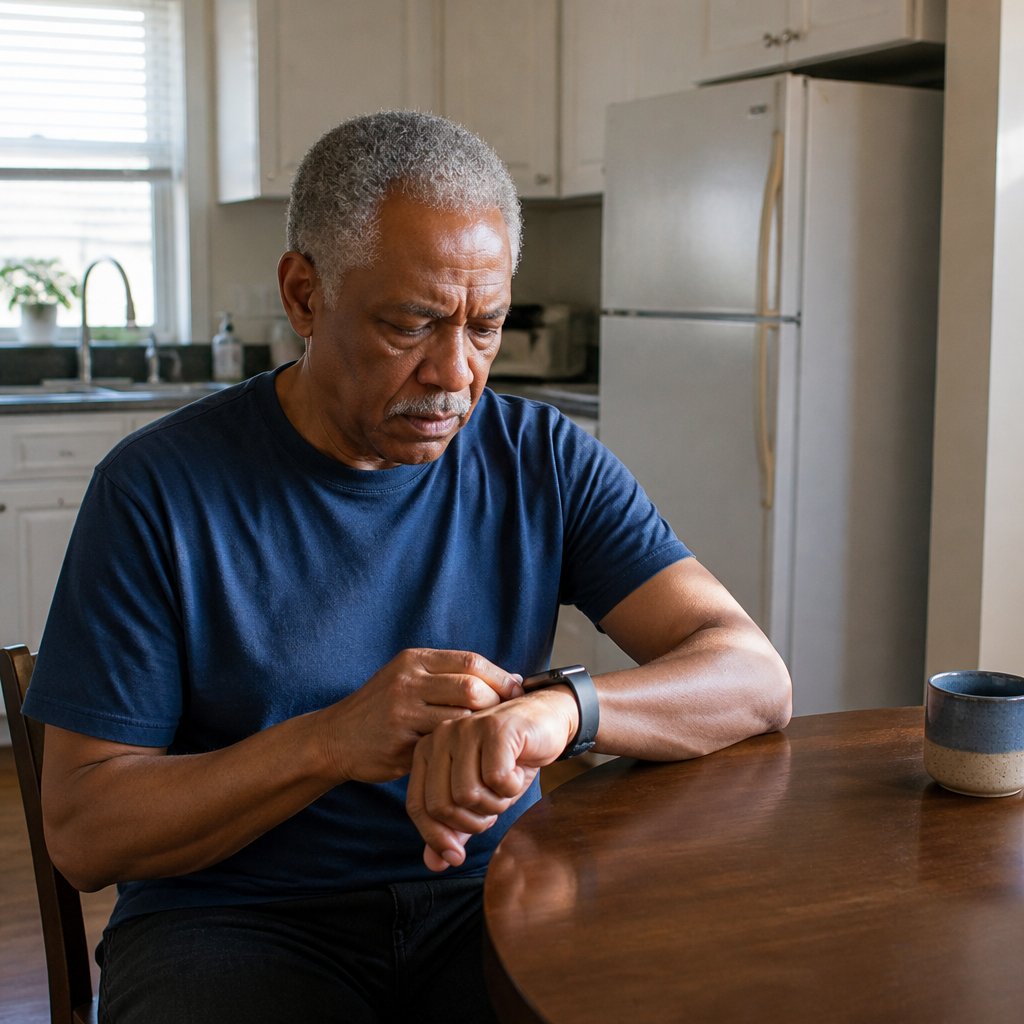
I was sitting at my kitchen table when the smartwatch buzzed against my wrist. The screen showed an irregular heart rhythm alert. My heart was pounding harder now, not just from the watch’s warning but from fear. I didn’t know what was happening to me. I tried to steady my breathing while glancing around the cluttered kitchen, the faint hum of the refrigerator filling the silence. That little buzz was my first sign that something was wrong, though I had no idea it would later be twisted against me in court.
The watch had never given me an alert like this before. I could feel the cold ceramic tile under my bare feet, grounding me, but my mind was racing. What if I was having a heart attack? Was I going to die? Still, I had to get to the hospital, fast. I grabbed my jacket and keys, ready to leave even before I fully processed the warning.
The Nurse Line Told Me To Go
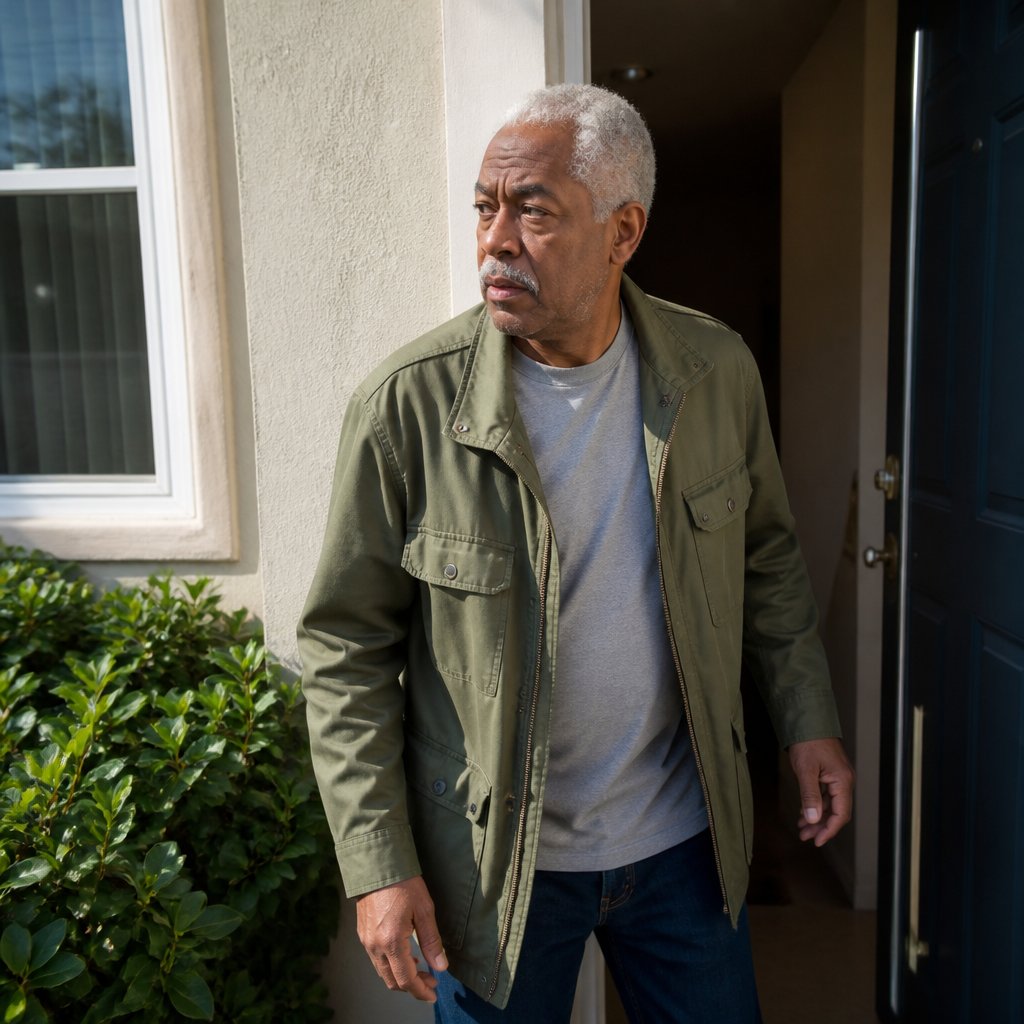
I called the nurse advice line right after the watch alert went off. The woman on the other end asked calm but direct questions about my symptoms. I told her about the irregular heartbeats and my fear. She told me to go to the emergency room immediately. The call was brief but recorded and time-stamped. I didn’t think much about that then, just that I had an official reason to get myself checked out.
I hung up and pulled my car keys out of the bowl by the front door, the cold plastic unfamiliar in my hand. The record of that call would become a double-edged sword. To me, it justified my urgency. To others, it would look like panic, an excuse for reckless behavior behind the wheel. I tried not to think about either possibility. I just needed help.
The Fleet Van Drifted Into Me
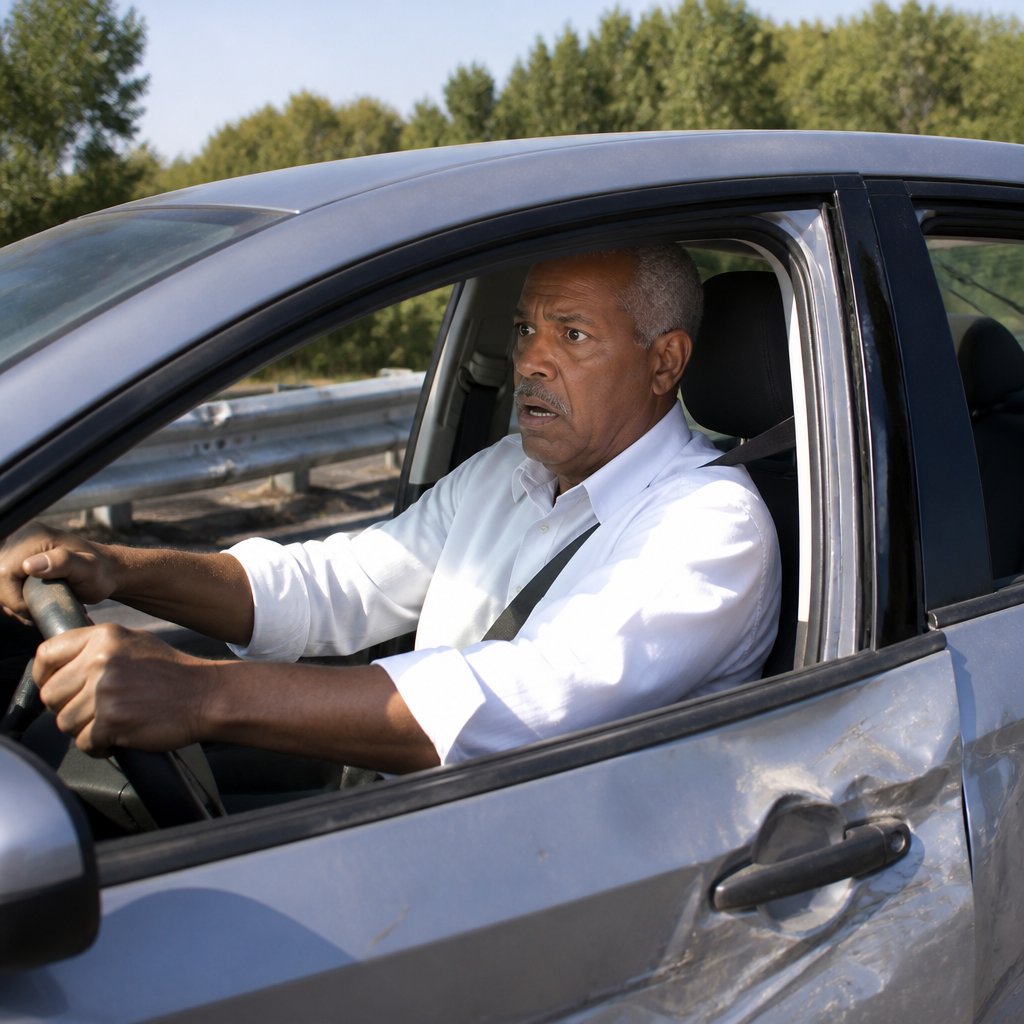
I was driving cautiously but still fast enough to get to the ER when the white fleet van drifted suddenly into my lane. I slammed on the brakes and swerved hard to avoid it. My car clipped the metal guardrail on the shoulder with a grinding scrape. The van didn’t slow down or even blink. It kept going like I was invisible.
The smell of burnt rubber mixed with the sharp scrape of metal filled the car's interior as I sat frozen behind the wheel, heart still racing. My hands trembled on the steering wheel. I checked the side mirror — no sign of the van turning back. I was stuck with the damage and no driver to hold accountable. This was just the start of a fight over who caused the crash.
ER Staff Saw Anxiety Instead
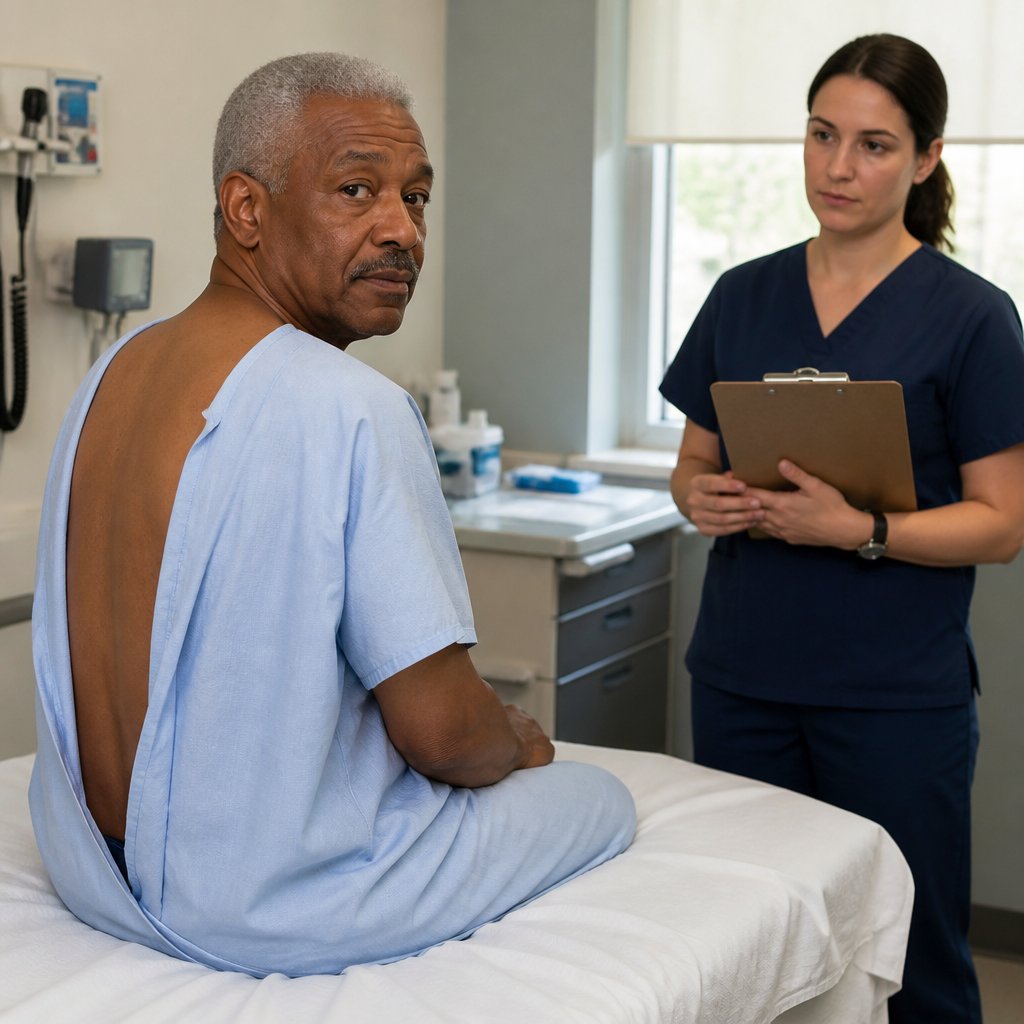
At the emergency room, they hooked me up to an EKG. The readout was normal. The nurse and doctor exchanged a few glances and talked quietly. They told me my heart rhythm was fine but suggested my symptoms might be anxiety. I sat on the crinkly paper-covered exam table, the sterile smell of antiseptic filling the small room. They gave me some anti-anxiety meds and sent me home with notes that emphasized the normal test results.
I wanted to argue but I was too drained. The paperwork started to stack up, and that first medical record was going to become one of their strongest weapons. Instead of proof of injury, it was proof that maybe I was overreacting. My fear, my pain — it was all at risk of being written off.
Lawyer Warned About Watch Angle
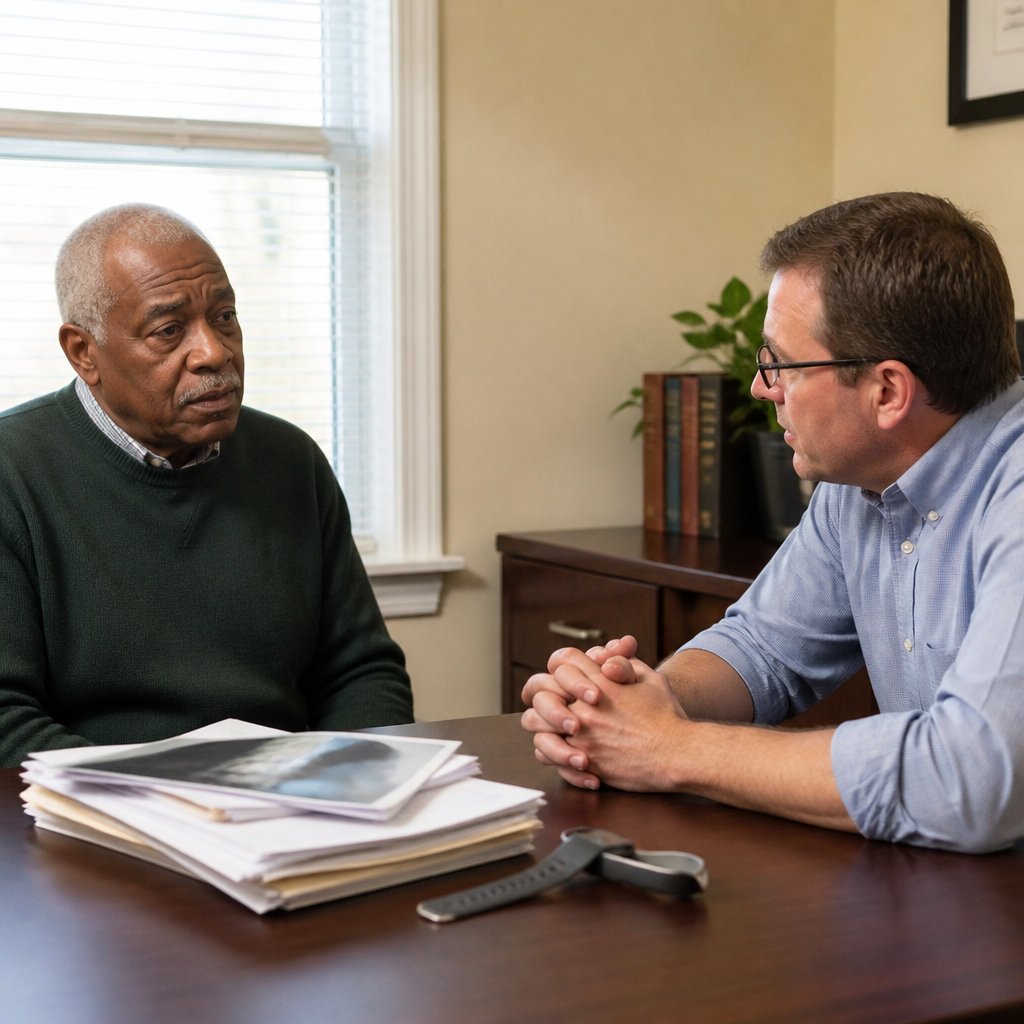
When I met with the new lawyer, I could tell he wasn’t just interested in my injury claim. He took one look at the smartwatch evidence and said it complicated everything. “This watch panic angle? It’s going to swallow the trial,” he warned. He said juries struggle to separate tech hype from real facts, and the defense would use the watch to spin doubt.
He wasn’t trying to discourage me but wanted me to know the stakes. The watch might become the villain, shifting blame from the driver’s unsafe lane change to me, caught up in a high-tech false alarm. He said we’d have to dig deep into medical records, phone data, and device logs—and be ready for the insurance company to attack every detail of my story.
I left his office feeling both hopeful and uneasy. The promise of a contingency case meant no upfront costs, but the way the watch was turning into a weapon against me made the path unclear—and dangerous.
Defense Demands My Device Data

Next came the formal request for my smartwatch logs, phone GPS, and app data. The defense attorney’s letter was precise and cold. They wanted every heartbeat record, every movement detail, and all app interactions from the day of the crash. It was like handing over my personal history on a silver platter.
At the meeting, their lawyer made it clear they might subpoena the watchmaker itself if I didn’t comply fully. My own devices were turning into surveillance witnesses, scrutinizing my every move before, during, and after the crash. It wasn’t just medical records anymore—my private data was in their hands, ready to be mined for anything that could weaken my claim.
I felt exposed. How could a simple alert from my watch become the center of a legal storm that threatened to unravel everything I was fighting for? The boundary between evidence and invasion blurred in that conference room.
Fleet Driver’s Deposition Raised Doubts
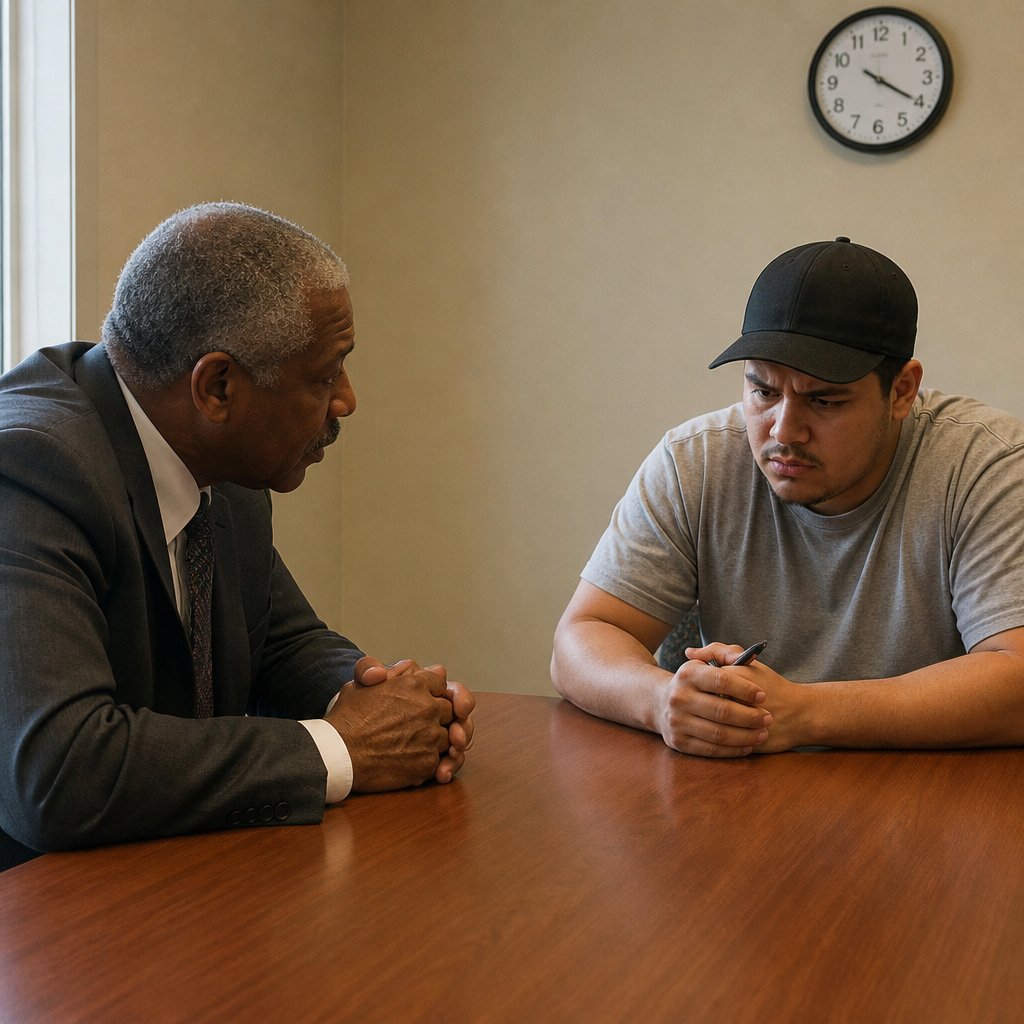
During the deposition, the fleet driver—a younger Latino man in his 30s with a trimmed beard and a baseball cap—sat rigid on the other side of the table. He said I "shot up from behind" unexpectedly, implying I was the reckless one. When asked about the dashcam footage, he claimed the camera had “malfunctioned” that entire week.
His story felt rehearsed, as if deleting the cleanest proof from the crash was convenient. The dashcam was supposed to settle the blame, but with it conveniently missing data, the defense gained ground. I watched him closely, noticing his nervous glances and the tight grip on his pen as he answered.
It was hard to know what to believe, but losing that piece of evidence made the case murkier. Suddenly, my account was no longer supported by clear video, and the driver’s words hung in the air, challenging everything I knew to be true.
Judge Limits Watch Data Use
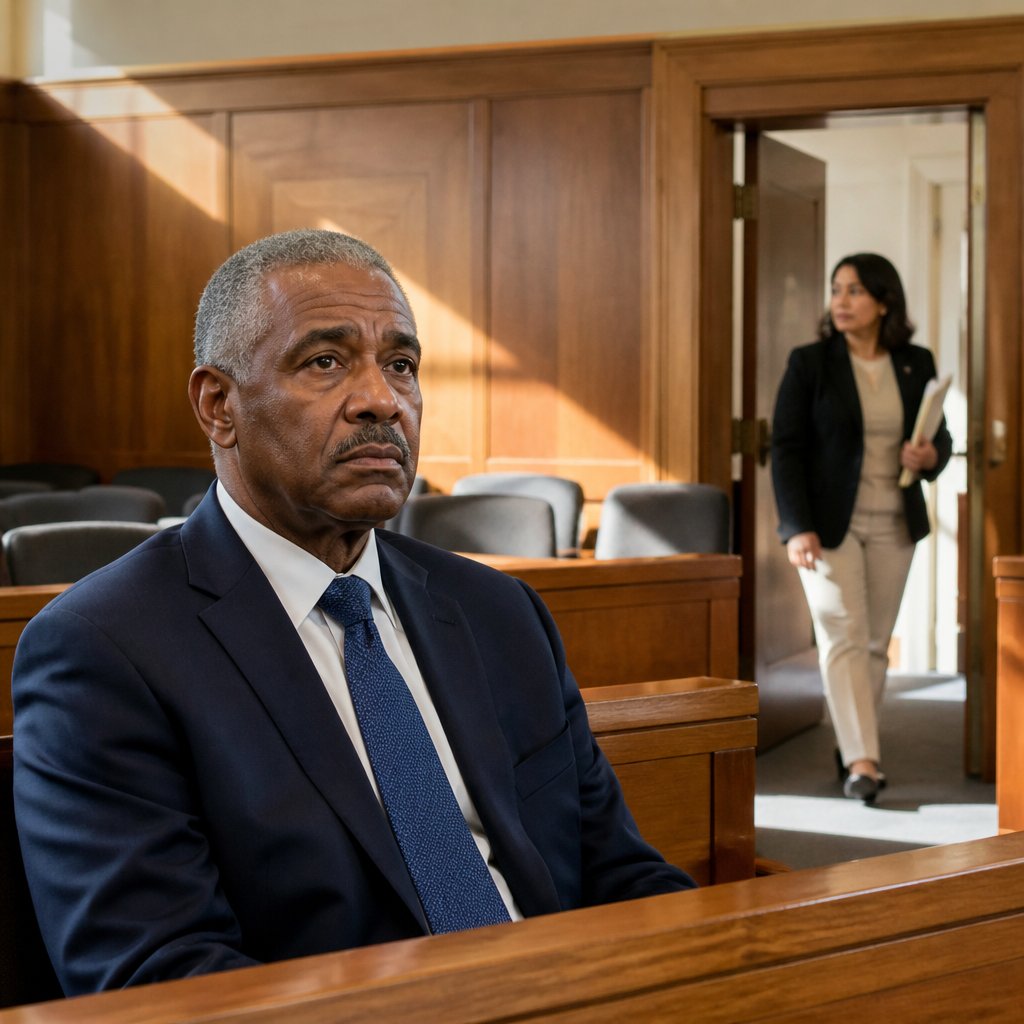
When the trial started, the judge made a ruling that shaped everything. The smartwatch data could be introduced, but only if there was supporting evidence from my phone’s GPS speed estimate. The defense lawyer wasted no time. He painted a picture of me as reckless, speeding through the city despite the heavy traffic. The image he tried to build was of a man ignoring caution and risking his own safety.
The courtroom was tense. Everyone was waiting, eyes fixed on the doorway. Suddenly, an anonymous employee from the fleet company entered, carrying a folder filled with patch documents that had been kept under wraps until this moment. The papers looked official—preserved, detailed, and possibly damaging. The judge called for order, and the air was thick with anticipation.
I sat on the bench, my hands folded, heart pounding. The defense team and I both knew this witness could change the course of the trial. But I also knew that the truth hid beneath those documents, and I wasn’t sure what would come out next.
Should smartwatch data be used against accident victims in court?