




The Red Banner Changed Everything

I logged into the consumer DNA portal one evening, expecting the usual ancestry tidbits and little surprises. Instead, a bright red banner dominated the homepage, screaming "High-Risk Hereditary Mutation Detected." My heart stopped. The site laid out a mutation linked to aggressive cancer, something I never expected when I bought a coupon for this kit on a whim. The language was clinical, urgent. It felt like a doctor's diagnosis, not a casual report.
The room smelled faintly of coffee and stale paper. My hands trembled as I stared at the screen, the glow painting my worried face. Was this real? Was I about to face a life-altering illness? I kept rereading the banner, hoping some part of it was a mistake.
Doctor Printed The Report Too Easily

The next morning, I sat in the sterile exam room with my primary care doctor. She had the HelixHeritage report printed out in her hands. The paper looked official, like it belonged in a medical file. She glanced over it, nodded, and said I should see a genetic counselor immediately. There were no questions about the test's reliability. It all felt so rushed and unquestioned.
The chair creaked beneath me as I shifted nervously. The faint scent of antiseptic mixed with the distant hum of fluorescent lights. The doctor’s calm tone contrasted sharply with the heavy weight settling in my chest. Was this consumer test really accepted as clinical fact? I didn’t feel reassured; I felt swept forward.
Genetic Counselor Jumped To Surgery Talk

The genetic counselor met me in a narrow office lined with medical books. Before ordering any confirmatory lab tests, she launched into discussions about preventative surgeries—removal of organs—based on my supposed mutation. I blinked, surprised that no one seemed to hesitate before talking about such drastic steps.
The chair’s vinyl stuck slightly to my skin in the warm room. The counselor wore a patterned blouse and slacks, her expression clinical but urgent. I felt the pressure mounting. Was the kit result already a verdict? I tried to ask about testing accuracy, but the conversation pivoted back to surgery schedules and potential risks. The counselor’s words felt like an assumption, not a question.
Insurance Denied Confirmatory Test

I submitted the request for a clinical confirmatory genetic test, hoping it would settle the uncertainty. Weeks later, an insurance letter arrived. They denied coverage, calling the test "not medically necessary." Suddenly, I was caught between fear of the mutation and a financial wall I couldn’t scale.
The letter sat on my cluttered dining table next to unopened mail. I felt its weight more than read the words again. My palms were sweaty; the kitchen smelled faintly of dish soap. Without the test, I was stuck with anxiety and no proof to challenge the initial result. The denial felt like a trap closing in around me.
A Cautious Voicemail Emerges

I checked my phone again, hoping for some clarity amid the chaos. The voicemail from the genetic counselor came through late last night. Her voice was hesitant but clear. She admitted the consumer DNA kit results were “screening only,” not definitive. But there was a catch—she begged me not to quote her. She said there was proof somewhere, but it was fragile, hidden deep in the files. I felt a small flicker of hope, but the uncertainty weighed on me. If proof existed, why was it so hard to get? Why the secrecy?
The hum of my small apartment was broken only by the occasional creak of the heating system. I sat at the kitchen table, the phone still in my hand, the faint smell of cold coffee lingering in the air. I played the message over again, hoping to catch something I missed.
A Suspicious Hospital Chart Entry

At the hospital, I finally got access to my medical records. My hands trembled as I flipped through the pages, searching for any sign of clarity. Then, I saw it: a checked box labeled “Genetic mutation confirmed.” But there was no accompanying confirmatory test result anywhere. No lab report, no detailed notes, just that ominous tick.
The sterile smell of the hospital records room filled the air, mingled with the faint rustle of paper. The chart was thick, yellowed at the edges, pages filled with notes from doctors and nurses. I stared at that box, feeling a cold knot form in my stomach. Had someone just checked a box to justify the surgery? Was this all a facade?
I sat back, the cold plastic chair digging into my spine, my mind racing. What else had been fabricated to cover the truth?
Risk Management’s Windowless Review
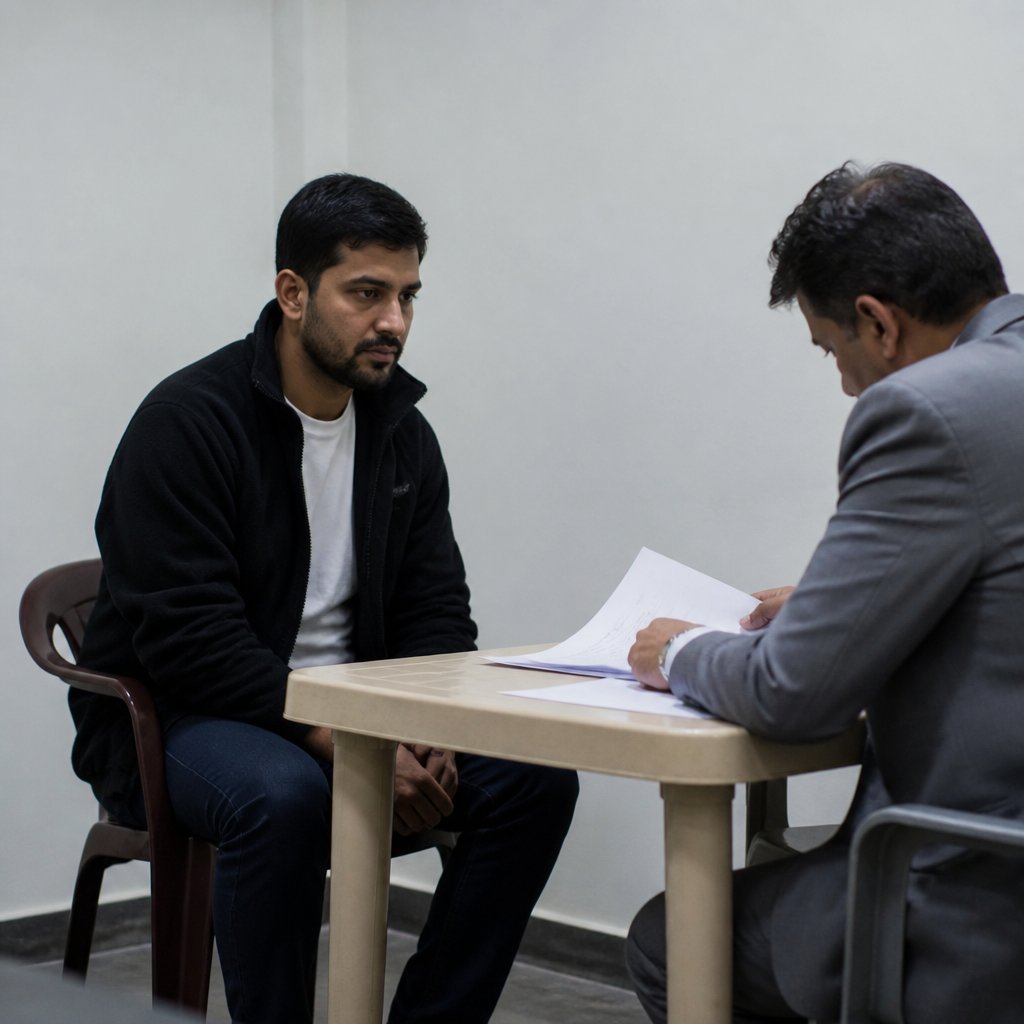
The insurance call was brutal. They labeled my rehab as an “elective complication,” refusing coverage. At the hospital, risk management offered a “review” but in a windowless office, without any documents to back it up. I sat there, my hands clenched on the stiff plastic chair arms, feeling the walls close in.
The sterile scent of disinfectant was thick in the tiny conference room. A man in a gray suit spoke in clipped tones, pushing papers around but never letting me see the real files. Meanwhile, bills piled up at home, and collections agencies started calling. The dread in my chest grew heavier every day.
Back in my apartment, the threatening hum of a debt collector’s voicemail played over and over. I dreaded the next call. Could I stop the financial spiral before it swallowed me whole?
A Surprise Discovery In Court

When the lawsuit started, they attacked my credibility. During discovery, the defense dropped a bombshell: a screenshot from their checkout page showing a “disclaimer” I never saw. My stomach twisted. I knew their website well—I was sure that language wasn’t there when I ordered the kit.
In the courtroom waiting area, the dull buzz of people talking mixed with the scrape of shoes on linoleum floors. I wore a dark green sweater and jeans, trying to keep calm. I squinted at the printed screenshot the defense handed over. I shook my head. How could I have missed something like that? Was this another layer of deception?
The thought gnawed at me. If the disclaimer was real, what did it mean for my case? I clutched the paper harder, the tension in my hands rising.
Hidden Website Changes Revealed

My lawyer dug deeper into the company’s website archives. She found older versions missing the disclaimer language. That discovery gave us traction. At the same time, an anonymous lab technician reached out, warning about backlog pressure and rushed results during a bad period. The tech’s message was brief but chilling, hinting at hasty work that might explain the false positives.
We met in a quiet café near the courthouse. The air smelled of fresh coffee and faint cigarette smoke. My lawyer, a sharp woman with short brown hair and glasses, laid out the printed archives and the technician’s message. I wore a black hoodie and jeans, listening intently as she connected the dots. How many others had been misled during that chaotic time?
But we still had no direct proof linking those problems to me. The question loomed: could we make the company take responsibility?
Should the company be held liable for the misleading DNA results?