



The Rot Hidden Behind Drywall
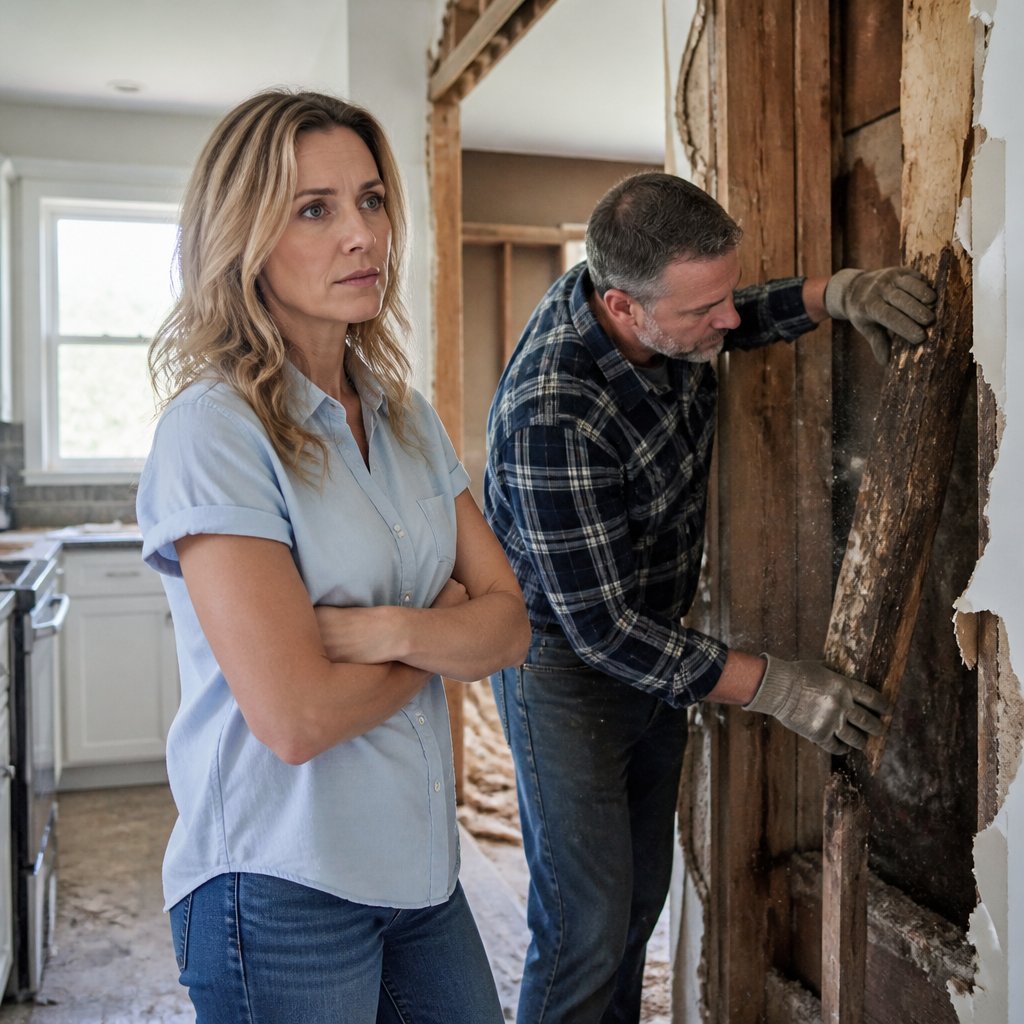
I thought the remodel was straightforward until the contractor tore into the kitchen wall that separated my unit from Dale's. Behind the drywall, they found the old support beam had rot and termite damage. It was worse than anyone expected—this beam was a shared structural piece, and it couldn't be left as it was. The contractor said leaving it would be unsafe, so a replacement was necessary right away. I remember the smell of sawdust and the faint, musty odor of decay lingering in the air as they exposed the damage.
Though the permit covered the remodel, nobody anticipated this kind of problem. It felt like the project was about to get complicated, but I trusted that fixing the beam was the responsible thing to do. Still, I had no idea how Dale would react to this revelation, given the beam's shared status.
Same-Day Beam Replacement Ordered
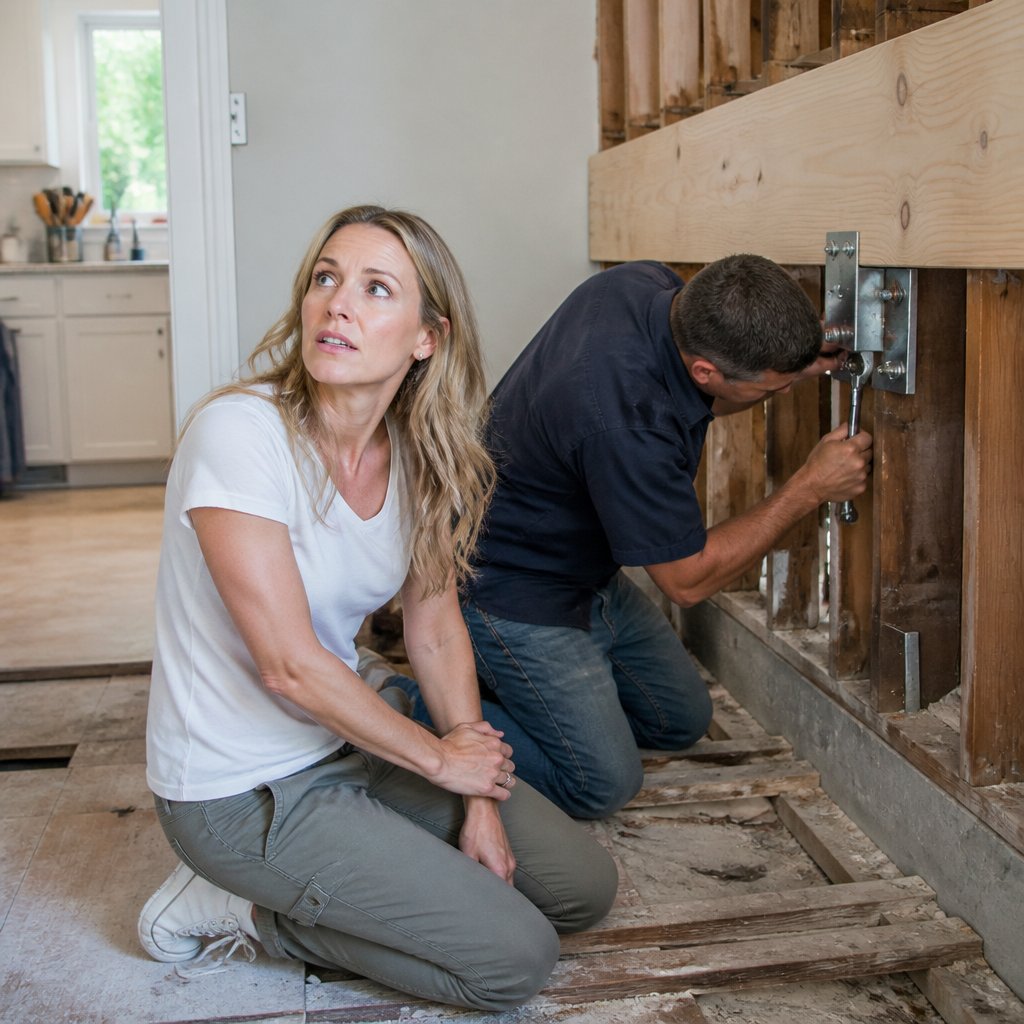
That afternoon, after the contractor confirmed the damage, I authorized an immediate replacement. They brought in a new LVL beam with steel hangers to maintain support while we finished the remodel. I made sure everything was documented—photos, permit numbers, and a note about the safety hazard. I wanted to show I was acting responsibly, even if I hadn't gotten Dale's prior written consent.
The smell of fresh-cut lumber mixed with the metallic clink of steel hangers being fastened filled the kitchen. The crew worked quickly to keep the structure sound. I felt uneasy knowing Dale wasn’t involved yet, but I hoped presenting clear documentation would smooth things over.
Neighbor Spots Lumber Delivery
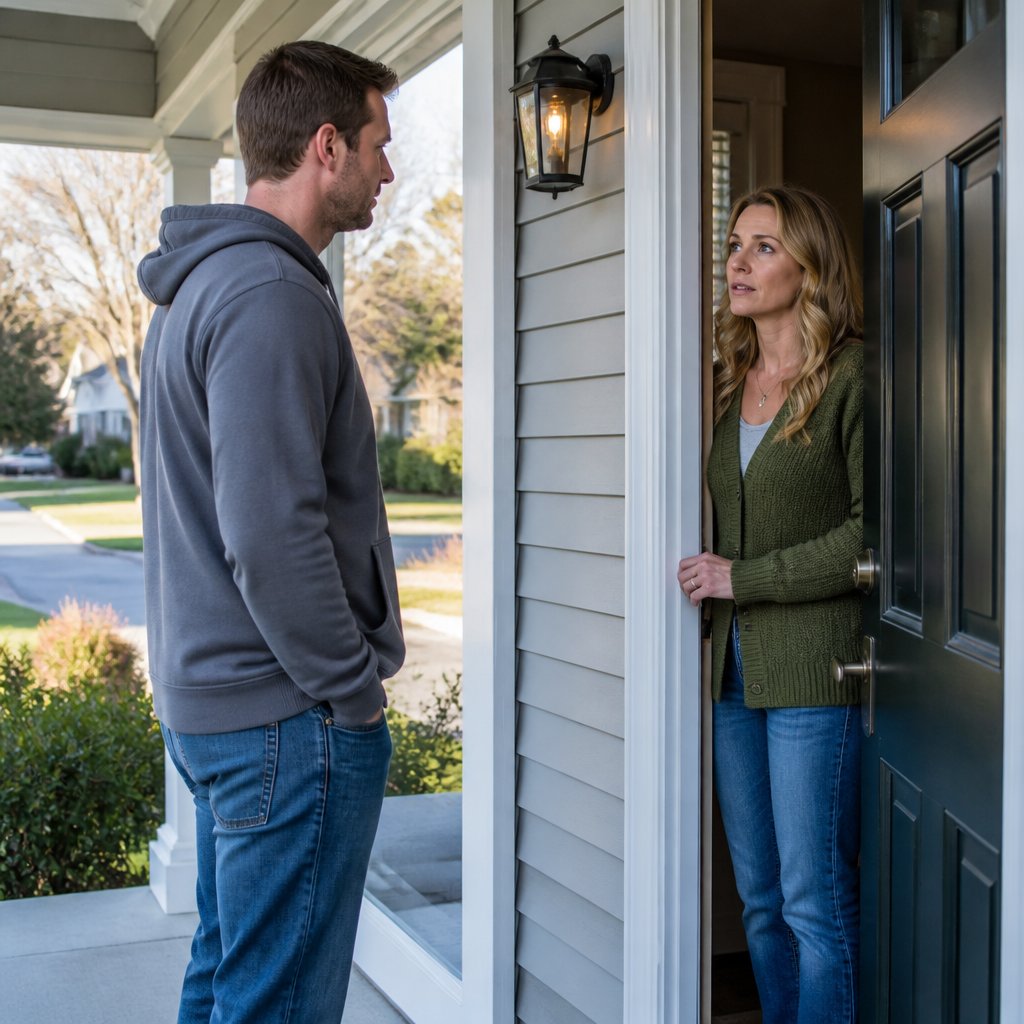
The next morning, Dale appeared unexpectedly at my front porch. He was a tall man in his early 40s, wearing a gray hoodie and jeans, holding a cup of coffee. He said he saw the lumber delivery and declared that the party wall was "joint property," and that any changes required his written approval first. He made a point of saying it was about shared structural elements.
The early sunlight hit his face as he stood there, firm but calm. He demanded an immediate stop to the work until he could approve the replacement in writing. That standoff felt sudden and tense, the quiet suburban street suddenly charged with legal threats I hadn’t seen coming.
Sharing Permits And Engineer Offers
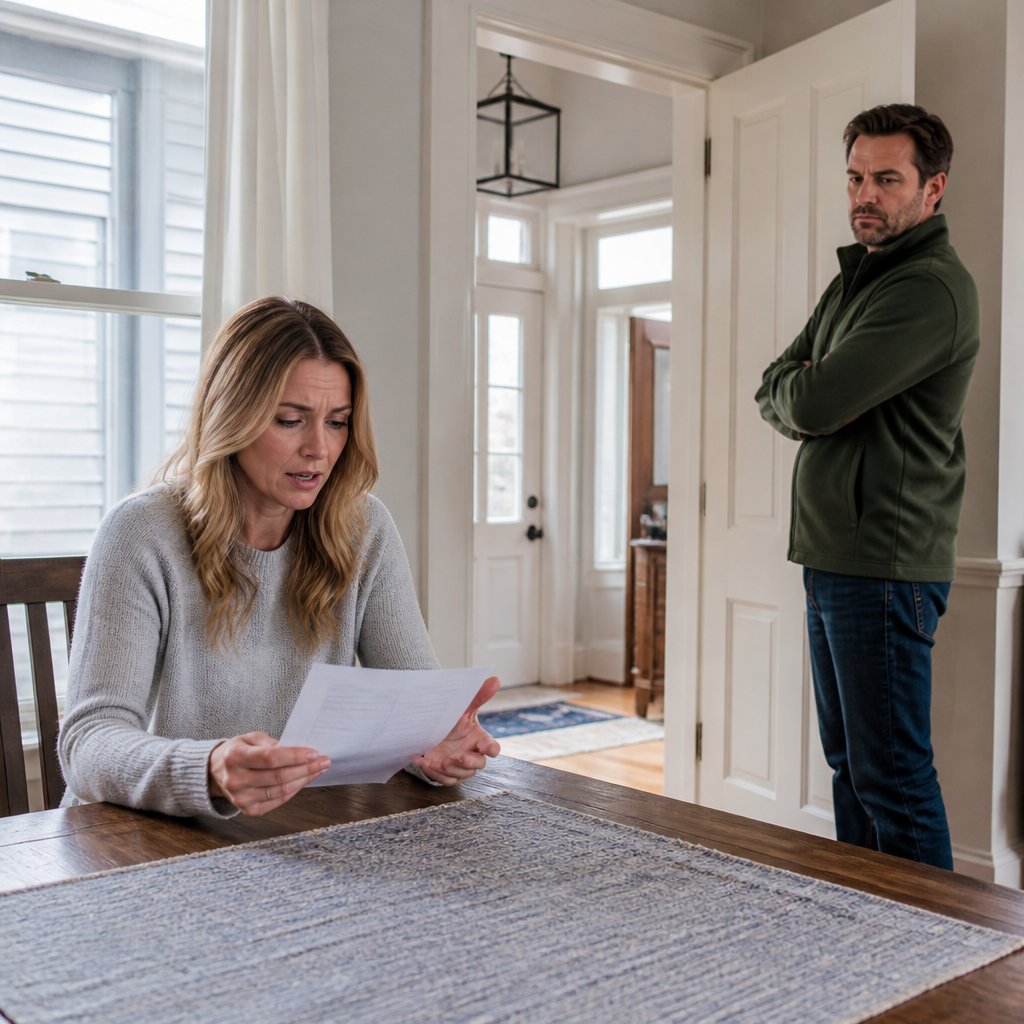
I emailed Dale the permit number showing city approval for the beam replacement. I also offered to split the cost of an independent engineer's inspection so we could settle this reasonably. I wanted to frame the dispute around safety, not permission.
When he replied, he flatly refused both the offer to split engineering costs and any notion that safety justified the work without his written consent. His tone made it clear he viewed this as a consent battle, not a safety issue. The tension felt like a legal line had been crossed, even though I thought I was doing the right thing.
At the kitchen table, the faint scratch of pen on paper echoed as I wrote my response. I wished I could get Dale to see reason before this went further.
Stop Work Notice Posted
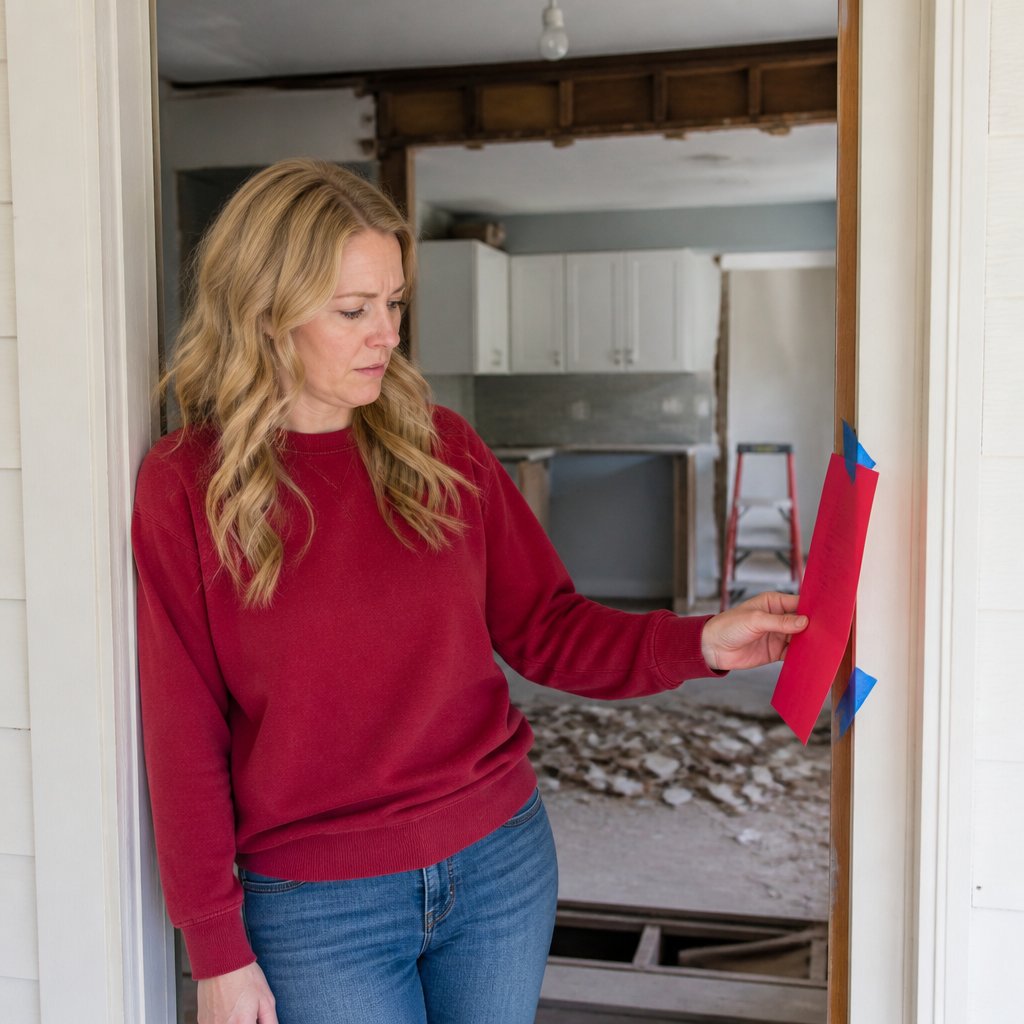
One afternoon, an inspector showed up unannounced. He handed me a red STOP WORK notice taped to the kitchen doorway. The notice cited "unapproved structural alteration pending review," referencing the anonymous complaint the city had received—likely from Dale.
The sharp rustle of the paper echoed as I peeled it off the envelope. The kitchen now felt like a crime scene, with tools scattered and the half-replaced beam looming in the wall. It was a stark message that the city was pausing the project until this dispute was resolved.
I felt stuck, wondering how long the stop work would last and how complicated this fight with Dale might become.
Contractor Halts Work Abruptly
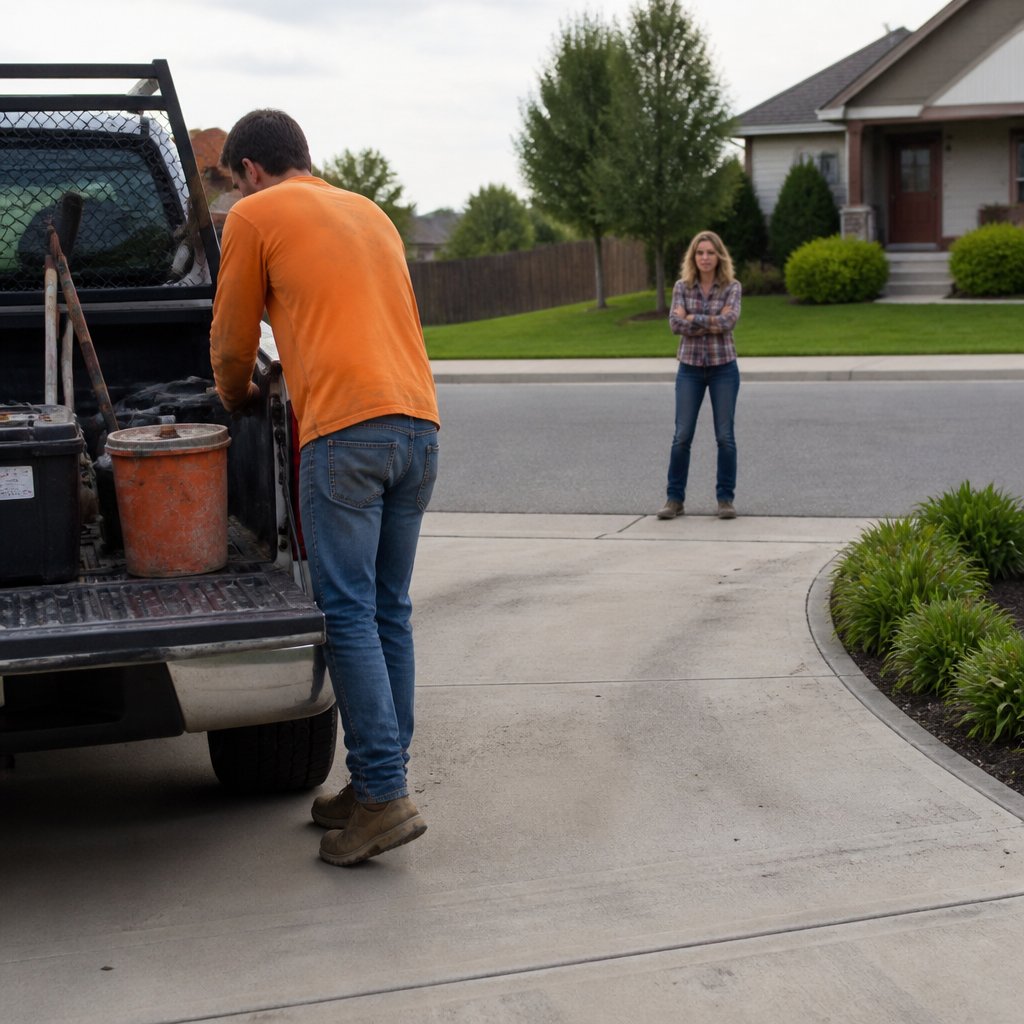
After the stop work order arrived, my contractor refused to continue until it was lifted. He packed up his tools and left, leaving my kitchen a half-finished mess. The drywall was stripped back, the beam only partly replaced, and the smell of sawdust hung thick.
I was left with a gutted kitchen and no clear timeline for resuming the work. Delays meant extra costs for me—temporary housing arrangements and eating takeout more often. Every day felt more frustrating as the project stalled indefinitely.
The contractor’s disappointment was clear when he shook his head and packed his truck under the fading afternoon light. I felt the weight of uncertainty pressing down on me.
Cease-And-Desist Hand-Delivered

A few days later, Dale hand-delivered a cease-and-desist letter slipped under my door. The letter accused me of "trespass to common wall" and demanded I stop all work immediately. It was a DIY effort, typed out on plain paper, but the message was clear: he was serious and building a legal paper trail.
The note smelled faintly of printer toner and ink, and I unfolded it slowly with unease. It felt like the fight was escalating beyond neighborly disagreement to something more confrontational.
I wondered what his next move would be and how much this dispute might cost me—not just money, but peace of mind.
Engineers Clash Over Beam Safety

I hired a structural engineer to inspect the beam. After a thorough walk-through, he gave the replacement his full approval, confirming it was necessary and met building codes. The engineer’s calm, professional confidence felt reassuring.
Meanwhile, Dale hired his own engineer—someone who never stepped inside my unit but submitted a report claiming "shifted load paths" and structural concerns. It felt like a battle of experts, each with opposing opinions and agendas.
I remember the sound of the engineer’s tape measure snapping back as he measured the beam, and the quiet scribble of notes in his report. The technical dispute added another layer of complexity I hadn’t expected.
City Demands Both Owners’ Agreement
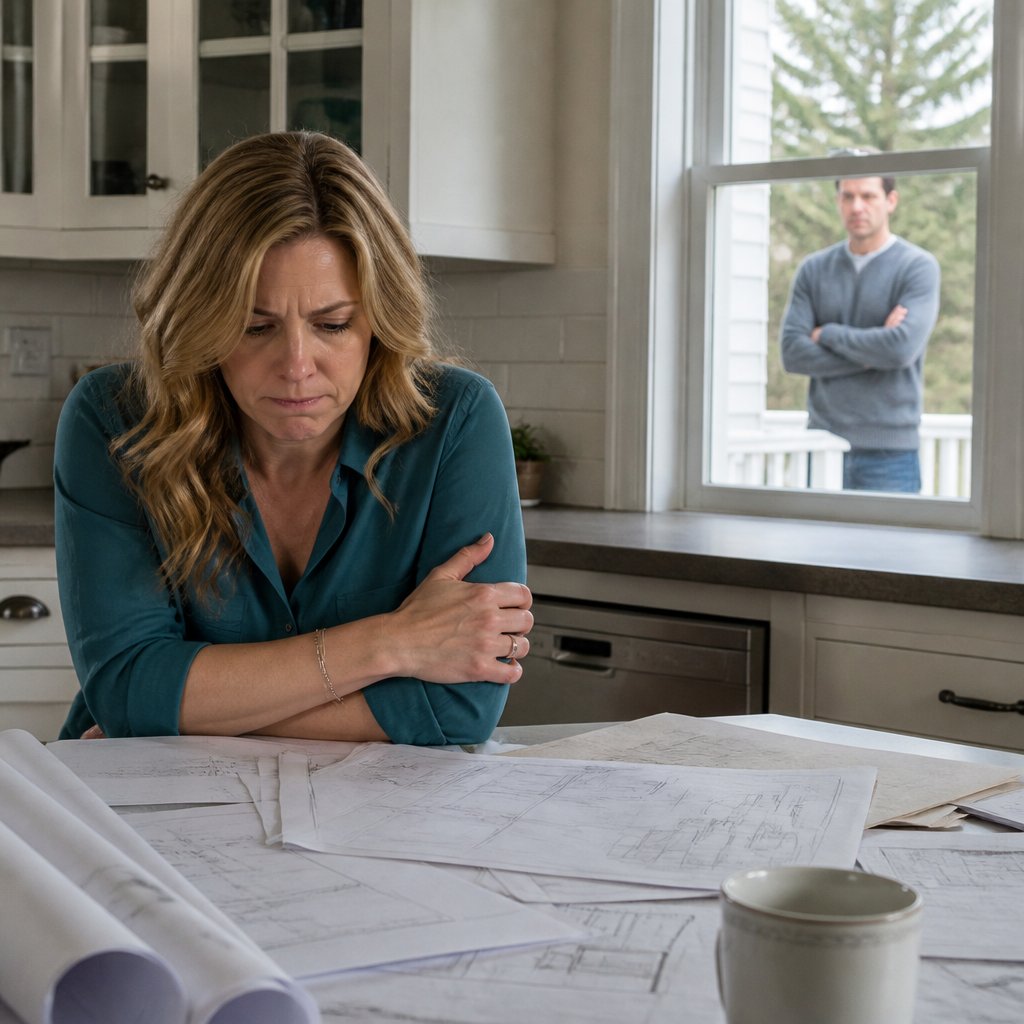
The city informed me that before lifting the stop work order, they needed revised plans, special inspections, and written acknowledgments from both me and Dale. This gave Dale effective veto power over the project’s continuation.
In my kitchen, blueprints spread across the counter, the sharp scent of ink and paper filled the room. I tried to draft a response but felt trapped by the city’s demands. The power balance had shifted clearly in Dale’s favor, turning a safety repair into a negotiation I hadn’t anticipated.
I wondered how long this back-and-forth would drag on and whether the city’s requirements were fair or just another hurdle thrown in my way.
Demand For $4,800 Upfront Payment

Dale finally responded with a refusal to sign the city’s acknowledgments unless I paid him $4,800 upfront for "his risk." It was clear he was turning a necessary safety fix into a hostage negotiation. I felt blindsided by the demand, which seemed unrelated to any actual costs.
At the dining room table, I stared at the letter, the weight of the neighborhood’s quiet broken only by the ticking clock. The money demand transformed the dispute into a high-stakes standoff where cooperation felt impossible.
Now I had to decide whether to pay, fight, or find another way forward—all while the kitchen remained unusable and my stress mounted daily.
Surveyor Sparks A New Dispute
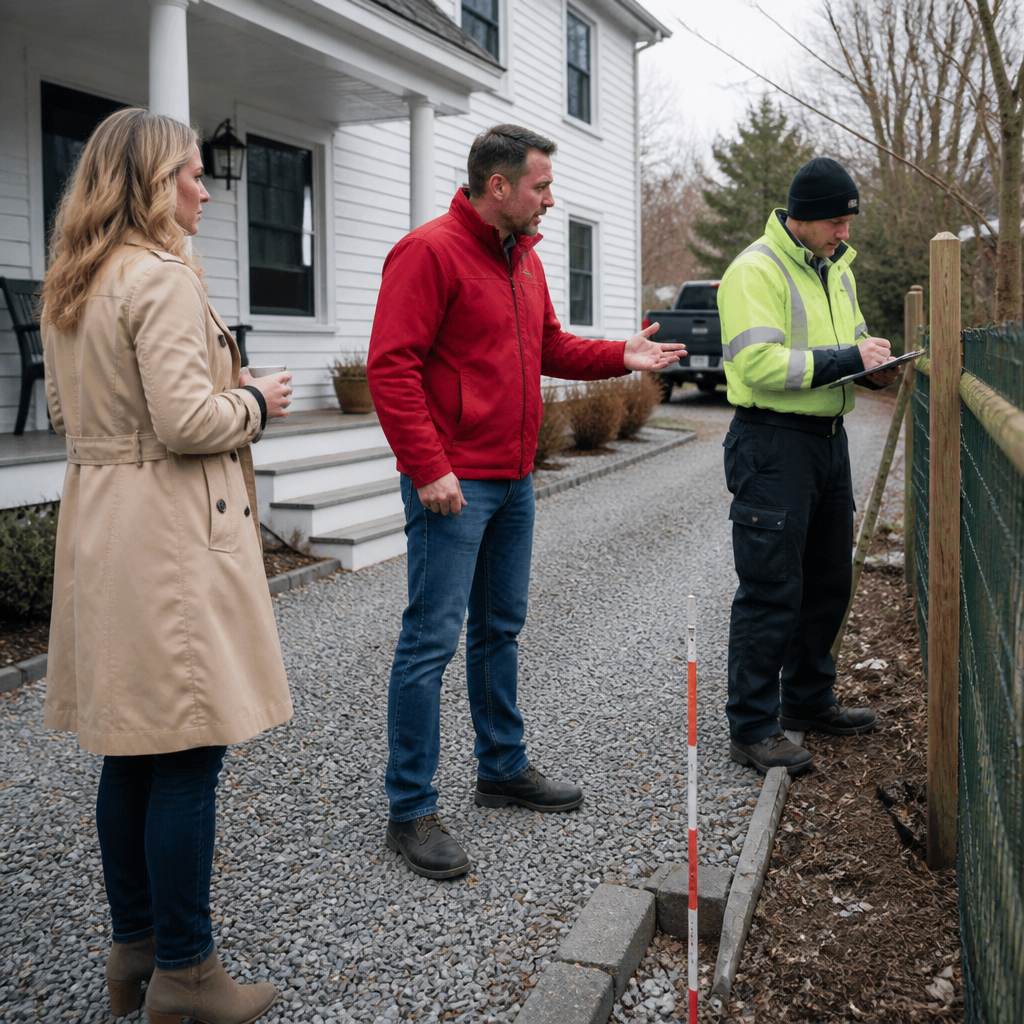
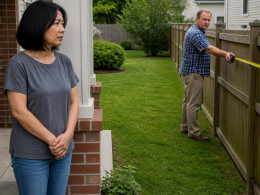
After weeks of back-and-forth, I decided to bring in a licensed surveyor to clarify exactly where the party-wall line ran. The contractor’s diagrams and Dale’s claims felt like noise without official confirmation. The surveyor arrived early on a gray morning, clipboard in hand, boots crunching on the gravel driveway. She paced the property line, measured offsets, and compared the current wall location to the city records she brought.
When Dale saw the surveyor taking measurements near the boundary, he immediately accused her of trespassing. He stormed out of his house, wearing a faded red jacket and jeans, voice raised enough to carry over the fence. The surveyor held up her permit and identification, but Dale was unconvinced. Before long, he called the police to report unauthorized entry.
The arriving officer listened and looked over the surveyor’s paperwork, but the incident had already escalated beyond construction disputes. I watched from my front porch, the cold metal of the railing biting into my palms as I clutched a warm mug to steady my nerves. What started as a technical step to help resolve the fence line was now tangled in accusations and police involvement.
HOA Weighs In On The Roof

Next came the homeowners association’s involvement. I sent them detailed documents about the beam replacement, hoping their interpretation would support my case. Their response was cautious and narrowly focused: the HOA confirmed that only the roof structure was officially shared between the two properties, not interior walls.
Dale immediately seized on this as proof that since the beam was inside the structure, it must be solely my responsibility. He sent me a copy of the correspondence, his voice clipped and smug during our brief phone call. I tried to explain that the HOA’s scope didn’t necessarily define legal property lines or structural responsibilities but his mind was set, his words sharp like the cold edge of the metal fencing on his side.
I sat in my kitchen, wearing a soft gray sweater, the scent of brewed coffee filling the air but doing little to settle my stomach. The narrow HOA ruling felt like a small victory for Dale that escalated the dispute rather than helping clarify it. It was a reminder that the definitions used by different organizations could be twisted, leaving me caught in a confusing and increasingly complex battle.
Costs Rise Amid Growing Hostilities
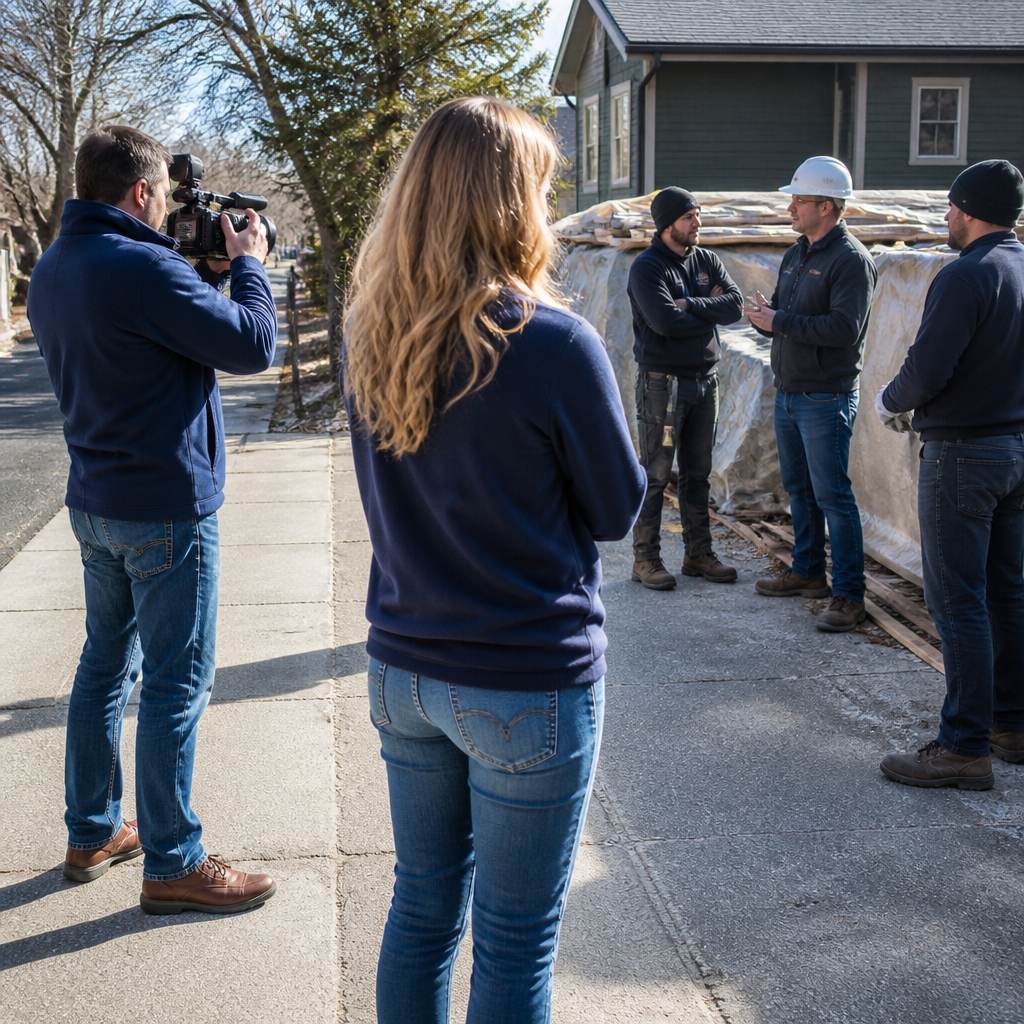
Delays and inspections caused the remodel costs to climb steeply. My contractor issued a change order citing unplanned hold-ups and extra site visits to satisfy the city. Meanwhile, I had to set up a makeshift kitchen in the garage, surrounded by boxes and a dusty camping stove, to keep daily life going despite the house disruption.
Dale’s tactics intensified. He started arriving early each morning, filming the worksite with a handheld camera, then sending detailed emails to the city about alleged violations—some minor, others exaggerated. His presence was a constant shadow, wearing a dark blue jacket and khakis, pacing the sidewalk with a determined look.
I stood on the driveway, my worn sneakers pressing against the cracked concrete, watching the contractor and workers navigate around the new restrictions. The tension was tangible, thick enough to taste in the air, as I wondered if the escalating fees would ever stop or if Dale’s daily complaints to the city would bring more official scrutiny.
Inspector Keeps Stop-Work Active
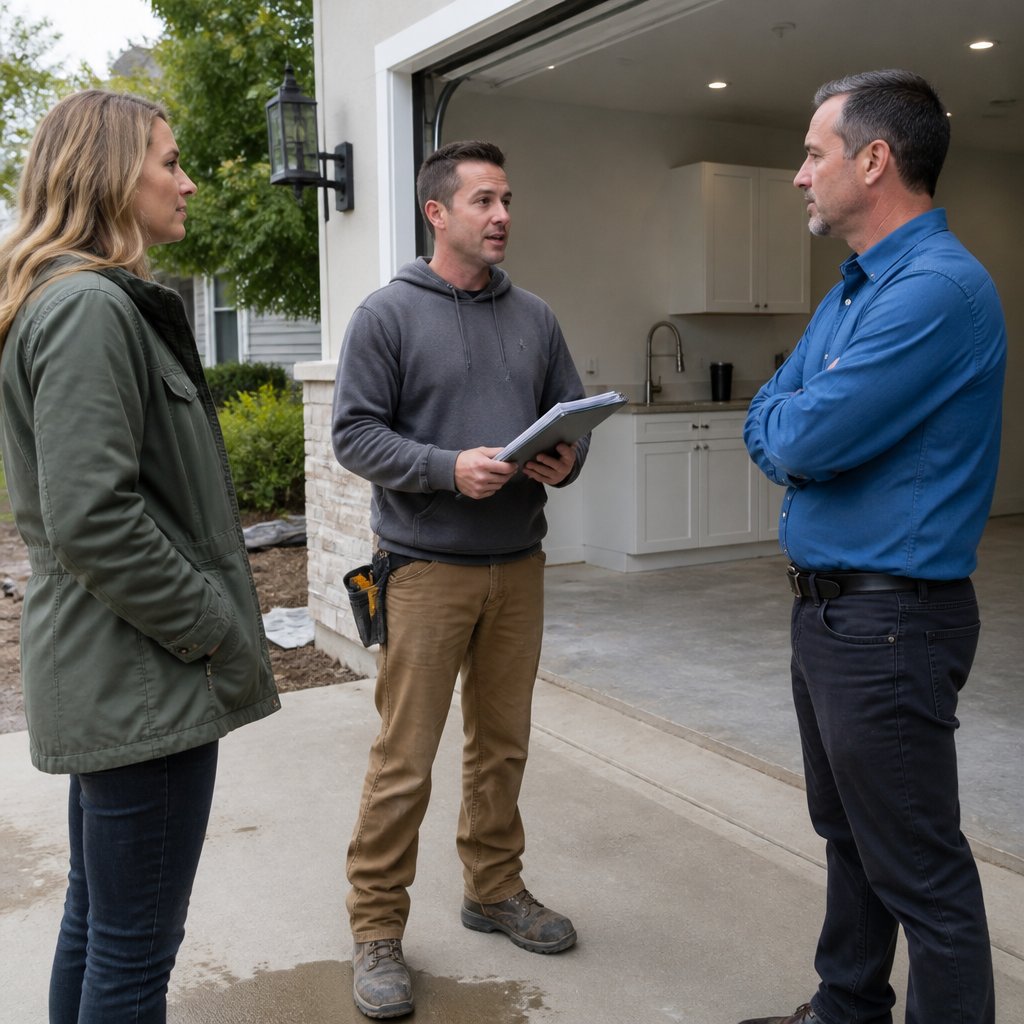
At a joint site meeting, the city inspector gave his assessment. He said the beam looked structurally sound and the replacement was properly installed. But paperwork was incomplete, and access issues remained unresolved, so the stop-work order stayed in place.
Dale was insistent. Standing near the temporary garage kitchen, he demanded a formal party-wall agreement. He said it must include attorney fees to cover his costs, waving a folder thick with documents. He wore a gray hoodie and jeans, his tone sharp and unyielding.
I felt the weight of the situation pressing down as the wind shifted, carrying the scent of sawdust from the site. I was caught between the inspector’s practical findings and Dale’s legal demands. The contractor packed up tools quietly, avoiding eye contact. The stop-work order wasn’t just a bureaucratic hurdle anymore; it was a battleground.
Was the stop-work order justified under these circumstances?