



Aisle Seven, Right by the Produce

The fall happened on a Thursday afternoon in March. Eddie Salazar was at ShopMart picking up groceries for the week when he turned into aisle seven and his feet went out from under him. A refrigerator case had been leaking — water pooled across the tile floor with no wet floor sign in sight. Eddie went down hard, landing on his back and right hip.
The store manager came running. Eddie was on the floor for ten minutes before paramedics arrived. He said his back felt like it was on fire. The ambulance took him to Regional General, where X-rays showed a herniated disc at L4-L5. The ER doctor prescribed painkillers and referred him to a spine specialist. Eddie left on crutches.
Half a Million Dollars
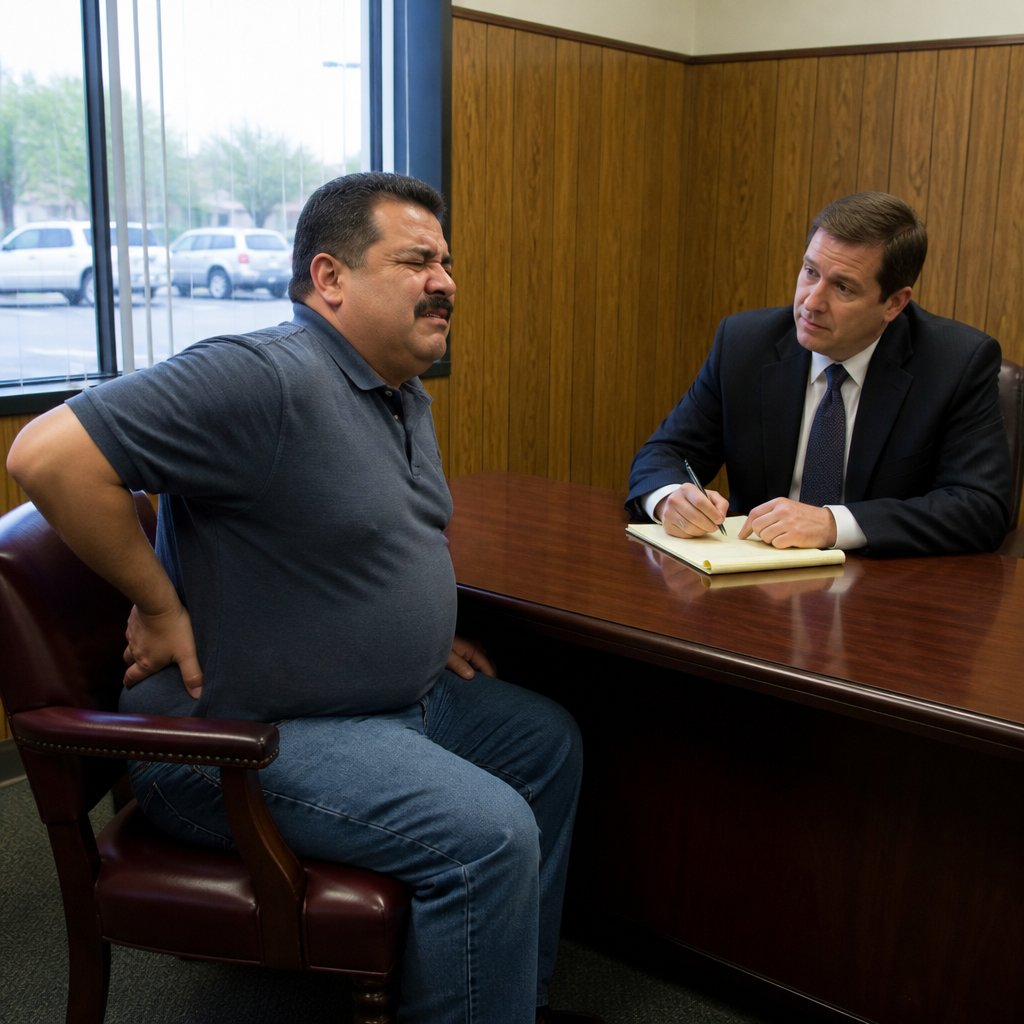
Eddie's brother-in-law recommended an attorney named Vincent Pratt who worked personal injury cases out of a strip-mall office with a neon sign. Pratt looked at the ER report, the lack of a wet floor sign, and the store's incident report, and said this was a strong premises liability case. He filed suit against ShopMart for $500,000 — covering medical bills, lost wages, pain and suffering, and "permanent diminished quality of life."
Eddie's claim was built on one central assertion: the fall had caused a permanent back injury that left him unable to work, unable to exercise, unable to bend or lift more than ten pounds, and in constant pain. His spine specialist's report supported this. Eddie was convincing. He walked with a limp, sat gingerly in chairs, and winced at all the right moments.
ShopMart Fought Back

ShopMart's insurance company assigned the case to a defense firm that handled all their slip-and-fall litigation. The lead attorney was a woman named Rachel Ito who had defended grocery chains for fifteen years. She'd seen every variation of slip-and-fall claim, and she had a process: request surveillance footage, subpoena medical records, and — her specialty — run a deep background check on the plaintiff.
The surveillance footage confirmed the fall was real. Eddie slipped, Eddie fell, there was no wet floor sign. That part of his story was solid. Rachel moved on to step three. The background check. That's where Eddie's story started to come apart.
The YouTube Channel

Eddie Salazar coached his daughter's softball team. Had been coaching for three seasons. And he'd been posting videos — tutorial videos, practice footage, game highlights — on a YouTube channel with 340 subscribers. The channel was public. The videos were timestamped. And several of them were recorded after the slip-and-fall that supposedly destroyed his back.
In one video, posted six weeks after the incident, Eddie was throwing batting practice from a full windup. In another, he was demonstrating fielding technique — bending, squatting, scooping ground balls. In a third, he was carrying an equipment bag that clearly weighed more than ten pounds across a parking lot. He moved like a man with no back problems whatsoever.
Rachel Ito Printed Every Frame

Rachel's paralegal downloaded every video from the channel and cataloged them by date. Seventeen videos posted after the incident. Each one showing Eddie bending, lifting, throwing, squatting, or carrying equipment — activities he'd sworn under oath he could no longer perform. The paralegal created a timeline: medical affidavit date on the left, YouTube upload date on the right, activity shown in the middle.
The timeline was devastating. On the same day Eddie's doctor had written that he "could not bend without severe pain," Eddie had posted a video of himself demonstrating a squat drill to his team. Same day. Rachel had the printout framed. Not literally — but she might as well have.
The Deposition Was a Trap

Rachel deposed Eddie three months into the case. She started gently — walked him through the accident, his symptoms, his limitations. She asked him to describe his daily pain level. He said seven out of ten, every day. She asked if he could bend to touch his toes. He said no, not since the fall. She asked if he could throw a ball. He said the motion caused shooting pain. She asked if he could squat. He said absolutely not.
She let each answer hang in the air. She didn't challenge a single one. She just wrote them down, carefully, making sure the court reporter got every word. Eddie's attorney, Pratt, looked pleased. Eddie looked confident. Neither of them knew about the YouTube channel yet.
Rachel Played the First Video

Two weeks after the deposition, Rachel filed a supplemental motion with attached exhibits. Seventeen exhibits. Seventeen video screenshots with timestamps, each one paired with a quote from Eddie's deposition. "I cannot bend to touch my toes" — next to a photo of him in a deep squat. "Throwing a ball causes shooting pain" — next to him in a full windup. "I cannot lift more than ten pounds" — next to him carrying a sixty-pound equipment bag across a parking lot.
Vincent Pratt called Eddie that evening. The conversation, according to court filings, was brief. Pratt asked Eddie if there was anything he'd like to tell him about his physical activities since the accident. Eddie was quiet for a long time.
The Judge Called It Fraud
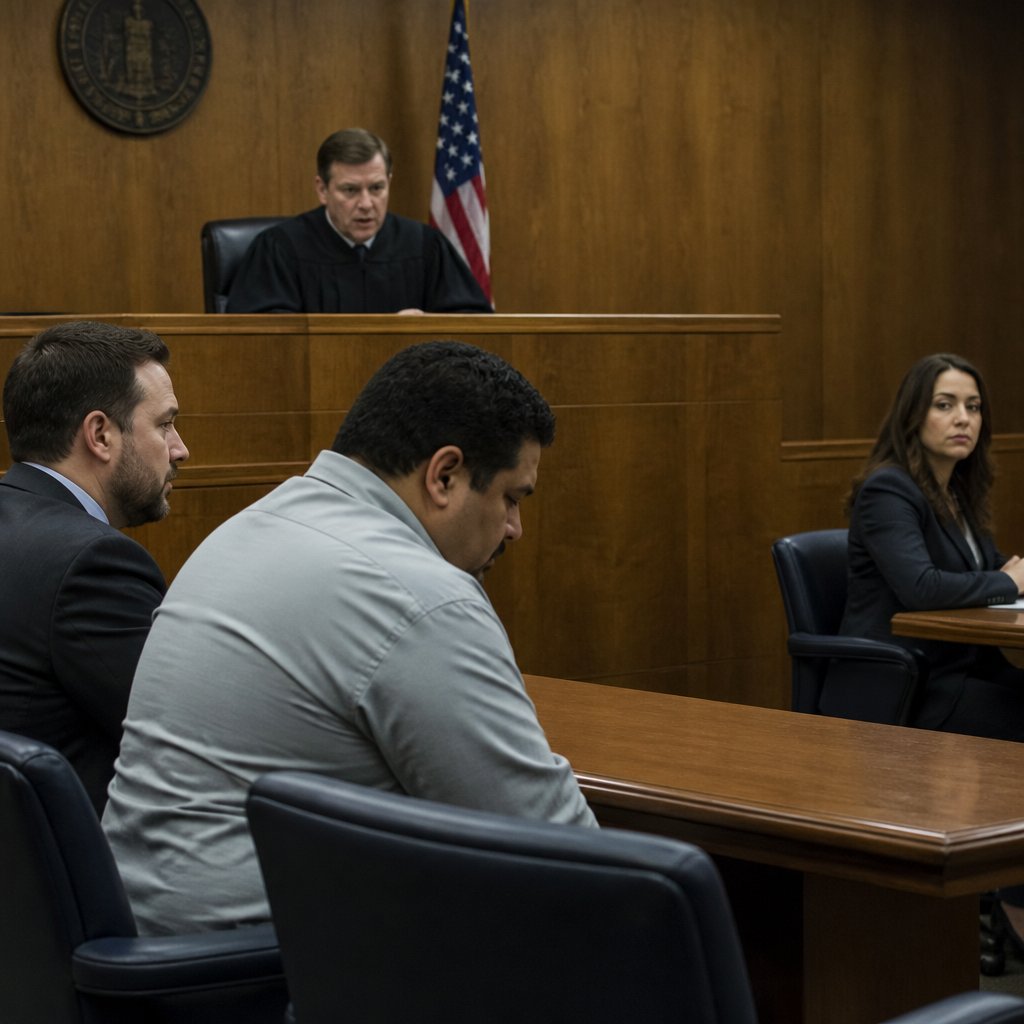
The hearing was short. Judge Watkins reviewed the exhibits, compared them to the deposition testimony, and didn't mince words. He said Eddie had committed fraud upon the court. He dismissed the case with prejudice, sanctioned Eddie personally for $12,000, and referred the matter to the district attorney's office for potential perjury charges. He also referred Vincent Pratt to the state bar for failing to verify his client's claims.
Eddie sat in the courtroom and stared at the table. His $500,000 claim was gone. He now owed $12,000 in sanctions plus ShopMart's legal fees — another $23,000. His back, for what it's worth, was probably somewhat injured. But nobody would ever believe that now.
The Channel Is Private Now
Eddie made his YouTube channel private the day after the hearing. It didn't matter — Rachel had downloaded everything. The DA's office investigated but ultimately declined to prosecute, saying the civil sanctions were sufficient. Eddie's daughter's softball team got a new coach the following season. He told the other parents he was "dealing with some personal stuff." Nobody asked follow-up questions.
Eddie still has back problems. The herniated disc was real — the fall at ShopMart actually did hurt him. But the $500,000 claim, the permanent disability story, the can't-bend-can't-lift testimony — that was theater. And the softball videos proved it. He could have filed an honest claim for his real medical bills — maybe $40,000 — and probably would have won. Instead he got greedy, got caught, and owes $35,000 to the people he lied to. The wet floor was real. The injury was real. The lie was the part that cost him everything.
Was his $500,000 claim too greedy?