



Michael Died on a Wednesday
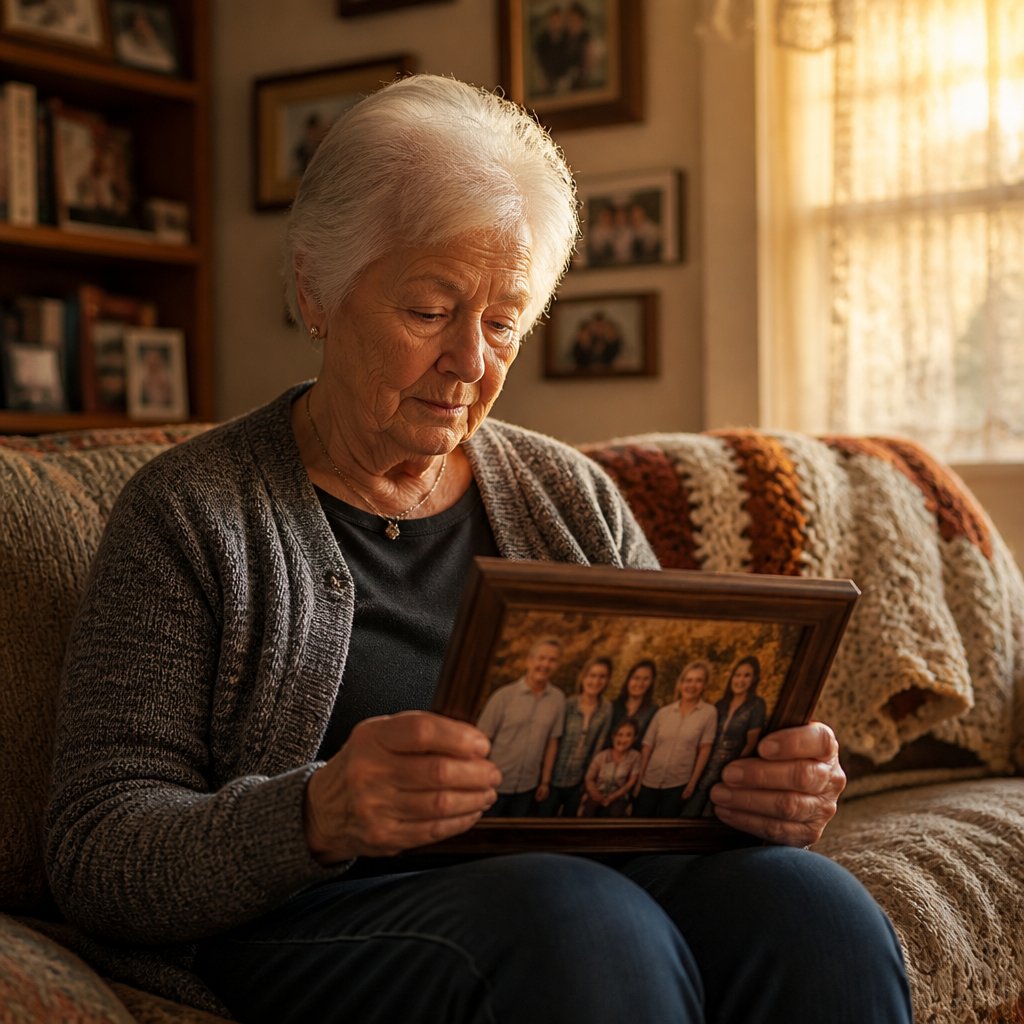
My son Michael was forty-one years old when his heart stopped on a Wednesday morning in March. Cardiac arrest at his desk at work. No warning, no history, no chance to say goodbye. The paramedics tried for twenty minutes. His coworker called me from the hospital. I don't remember driving there. I just remember the hallway lights being too bright and a doctor saying words I couldn't process.
Michael left behind two children — Lily, who was eight, and Owen, who was five. And he left behind his wife, Tara, who'd been my daughter-in-law for twelve years and who I'd loved like a daughter. For the first three months after the funeral, we grieved together. Then something shifted.
Tara Stopped Answering
It started gradually. A missed call here. A text not returned there. I'd ask to see the kids on Saturday and Tara would say they were busy. Then she'd say they were sick. Then she'd stop responding altogether. By June — three months after Michael's death — I hadn't seen Lily and Owen in five weeks. The longest I'd gone without seeing them in their entire lives.
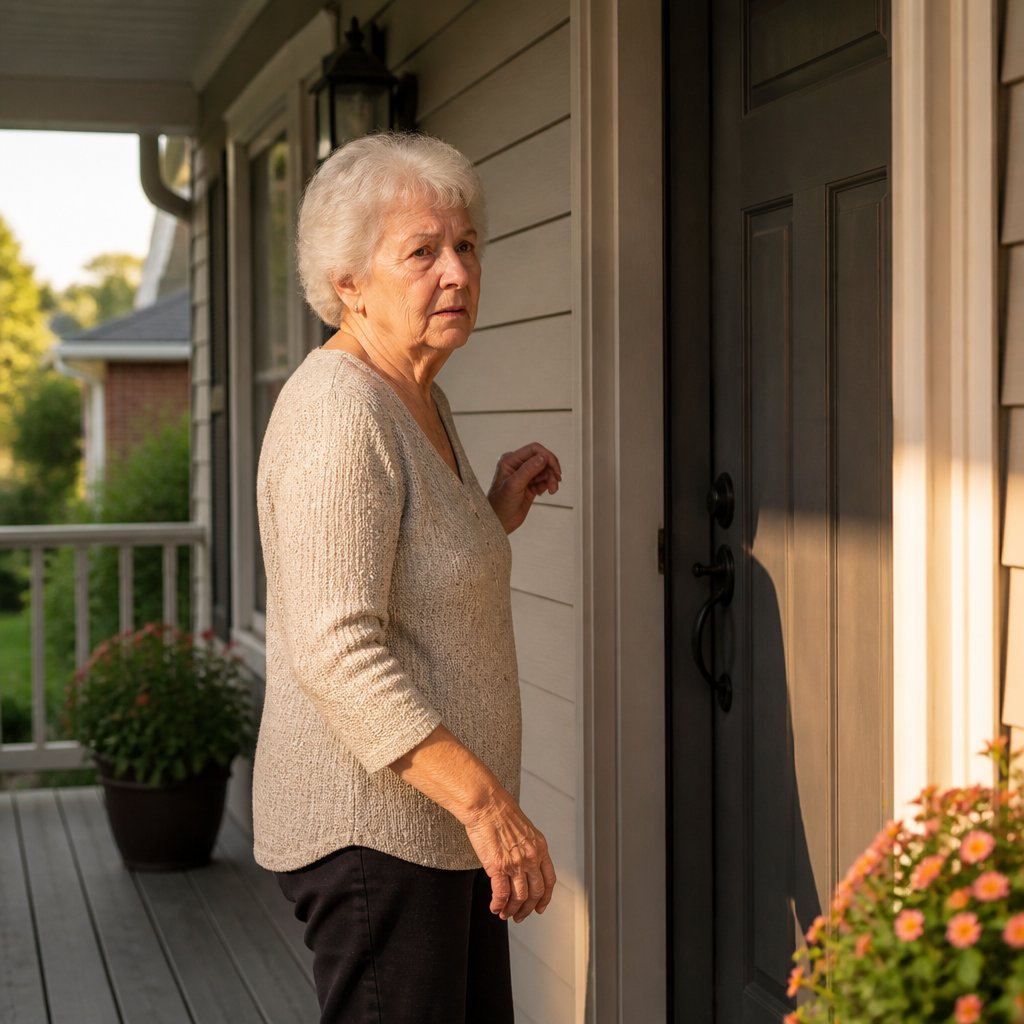
I drove over to the house. Tara answered the door but didn't invite me in. She said the kids were adjusting and that "too many people" were overwhelming them. I could hear Owen laughing somewhere in the house. I asked if I could just say hello. She said it wasn't a good time and closed the door. I stood on the porch where I'd stood a thousand times before and felt like a stranger.
She Changed the Locks

I had a key to their house. Michael had given it to me when Owen was born — for emergencies, for babysitting, for the Tuesday afternoons when I picked the kids up from school. One day in July I tried the key and it didn't turn. She'd changed the locks. She hadn't told me. She hadn't asked for the old key back. She'd just quietly made my key useless.
I sat in my car in their driveway and cried. Not the grief crying — I'd done plenty of that. This was a different kind of cry. The kind that comes when you realize someone you loved has decided you don't belong in their life anymore, and they didn't even have the decency to tell you to your face.
I Tried Everything Before the Lawyer
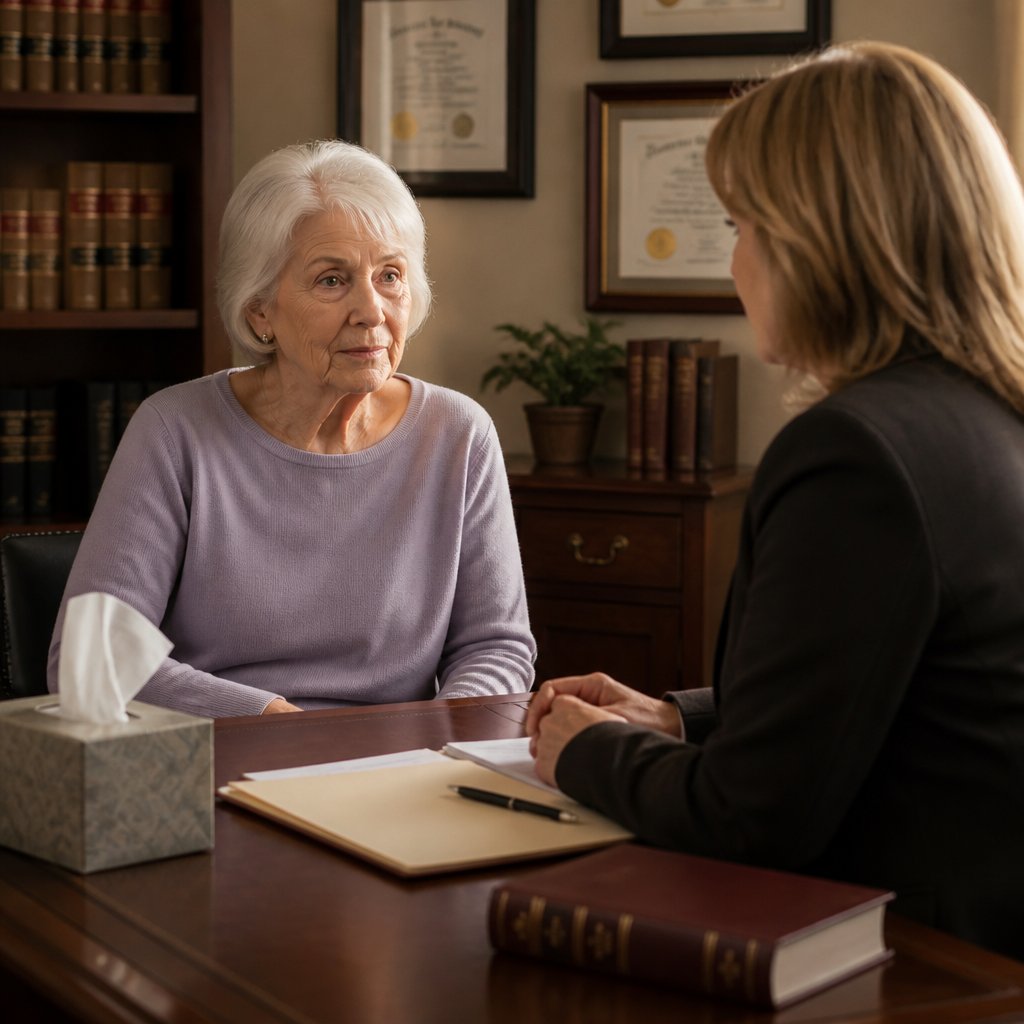
I wrote letters. I sent cards for the kids with gift cards inside — they were never acknowledged. I asked Michael's friends to talk to Tara on my behalf. One of them tried. Tara told her to mind her own business. I called Tara's mother, Barbara, who'd always been warm to me. Barbara said she was sorry but she couldn't get involved. "Tara needs to grieve in her own way," she said. Nobody seemed to think the kids' grief — or mine — mattered in the equation.
By September, six months since I'd seen my grandchildren, I called a family law attorney named Maureen Brody. I told her I didn't want to fight with Tara. I just wanted to see Lily and Owen. She said she understood. She also said that once lawyers get involved, the definition of "fighting" tends to change.
Grandparent Visitation Is Not a Given
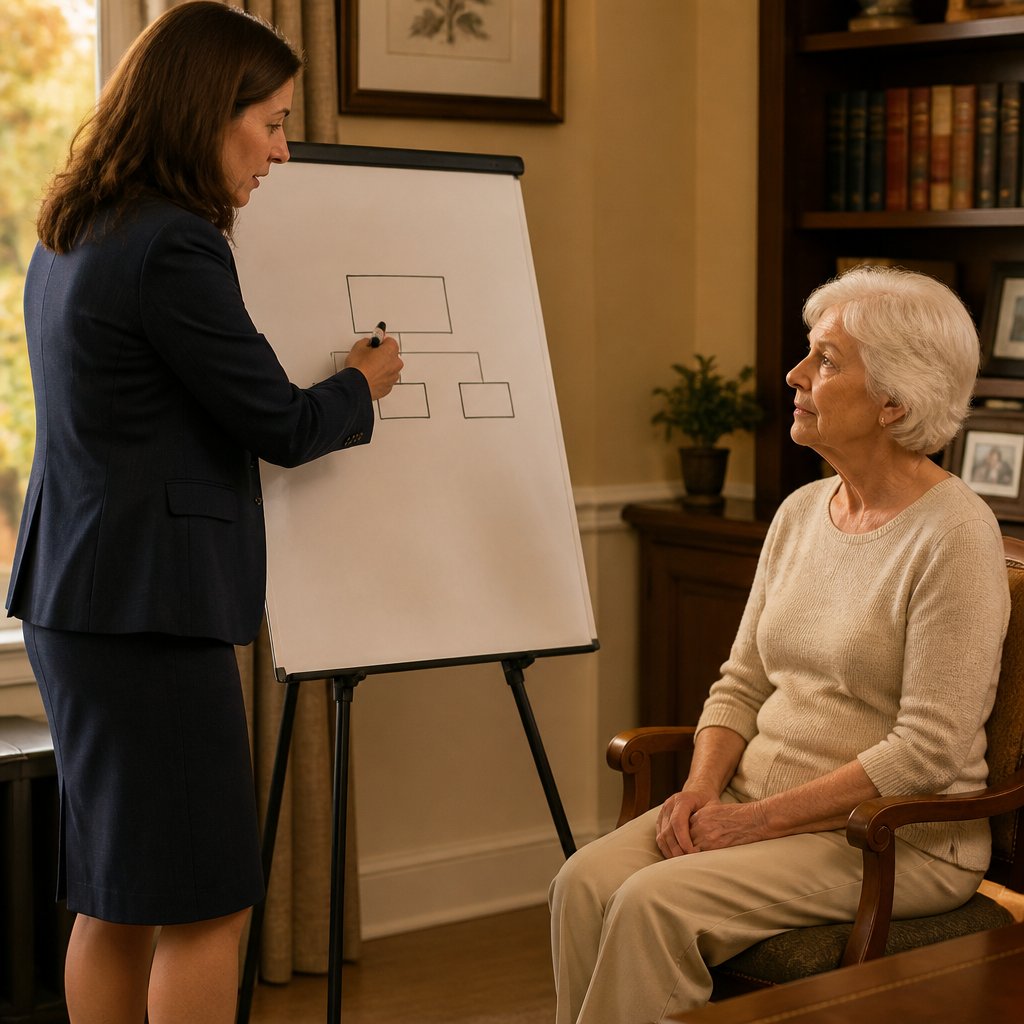
Maureen explained the law carefully. In our state, grandparents could petition for visitation, but the standard was high. We had to show that denying visitation would cause harm to the children and that visitation was in their best interest. The court would weigh the parent's rights heavily — Tara, as the surviving parent, had broad authority over who saw her children.
"This isn't like custody," Maureen said. "You're not arguing that she's a bad mother. You're arguing that the children need you in their lives. The judge has to balance her parental rights against the kids' wellbeing. It's a high bar." I asked her if she thought we could clear it. She said, "You were in their lives every week for eight years. That matters. Let's make the case."
Tara Hired a Shark

Tara's attorney, Craig Dunbar, was not interested in compromise. His response to our petition was aggressive. He argued that my presence was "destabilizing" to the children, that I reminded them of their father's death, and that Tara had the sole right to determine what was best for her children. He included a declaration from Tara saying I had been "overbearing and intrusive" throughout her marriage.
I read that word — overbearing — and something inside me cracked. Every Tuesday pickup, every birthday cake I baked, every fever I sat up with when Tara was at work. Overbearing. Maureen told me not to take it personally. She said custody litigation brings out words people don't mean. I wanted to believe her. But Tara had signed that declaration. Those were her words, under oath.
The Children's Therapist Testified
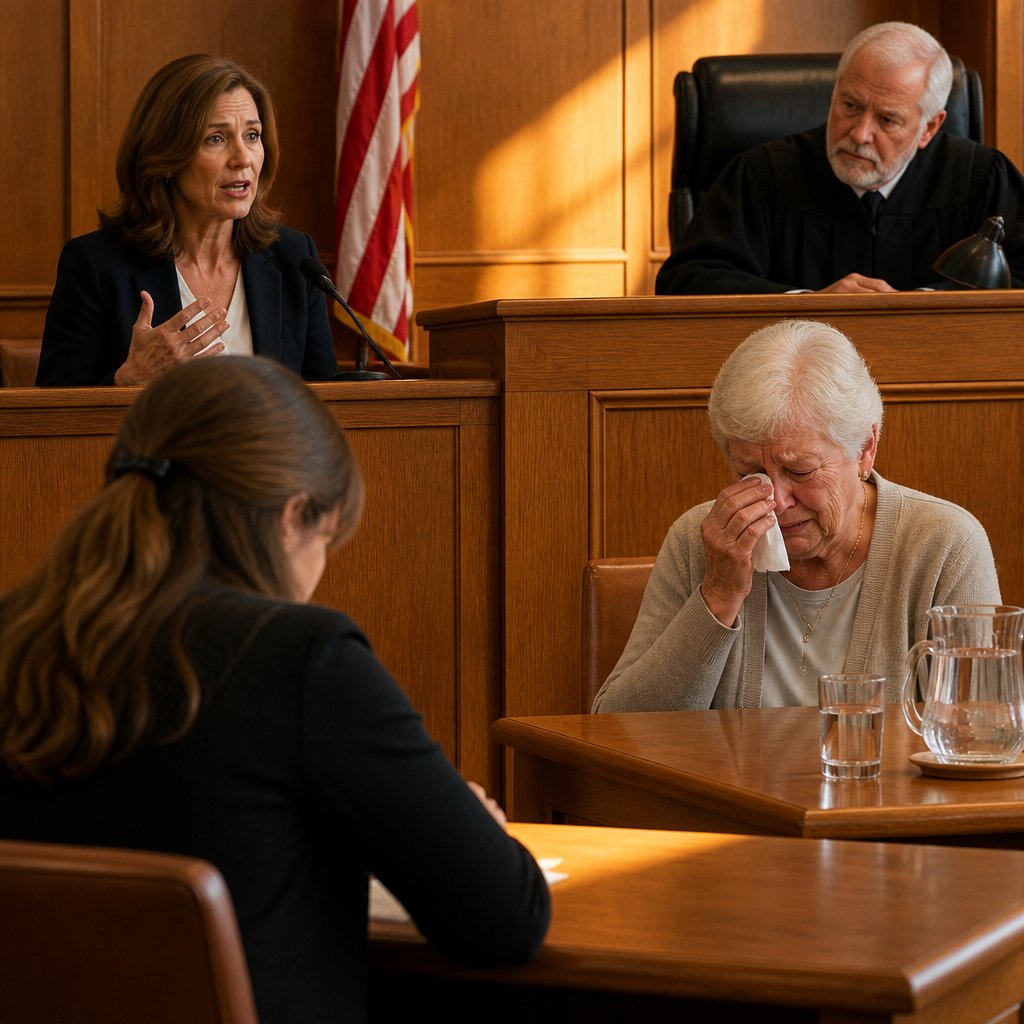
The turning point was the children's therapist. Lily and Owen had been in grief counseling since Michael's death, and their therapist — Dr. Sarah Emmons — was subpoenaed by both sides. Under Maureen's questioning, Dr. Emmons testified that both children had asked about me repeatedly in sessions. Lily had drawn a picture of "Grandma's house" and asked when she could go back. Owen had asked if Grandma was mad at him.
That one — Owen asking if I was mad at him — hit the courtroom like a physical thing. I couldn't breathe for a moment. The judge looked at me, then at Tara. Tara was looking at the table. Craig Dunbar was writing something on his legal pad. Dr. Emmons continued: she said the abrupt loss of a significant attachment figure, so soon after losing their father, was clinically concerning.
The Judge Took Three Weeks
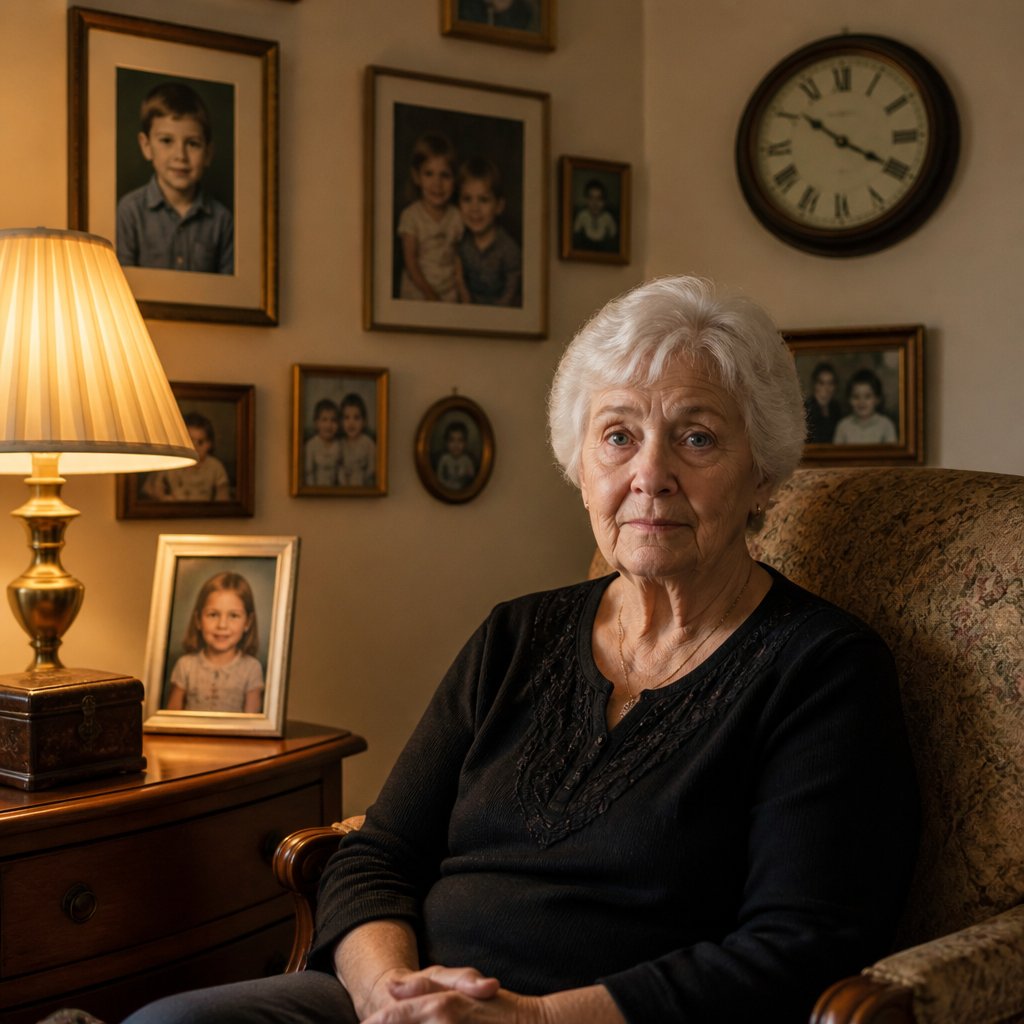
Judge Katherine Reeves didn't rule from the bench. She took three weeks to issue a written decision, which Maureen said was typical for these cases — judges want to get it right because they're overriding a parent's wishes. Those three weeks were the longest of my life. Longer than the months of silence. Longer than the grief itself, in some ways. I sat in my living room with photos of my grandchildren on every surface and waited.
When Maureen called, her voice was careful. Not celebrating, not consoling. "We got visitation," she said. "But it's limited."
One Saturday a Month
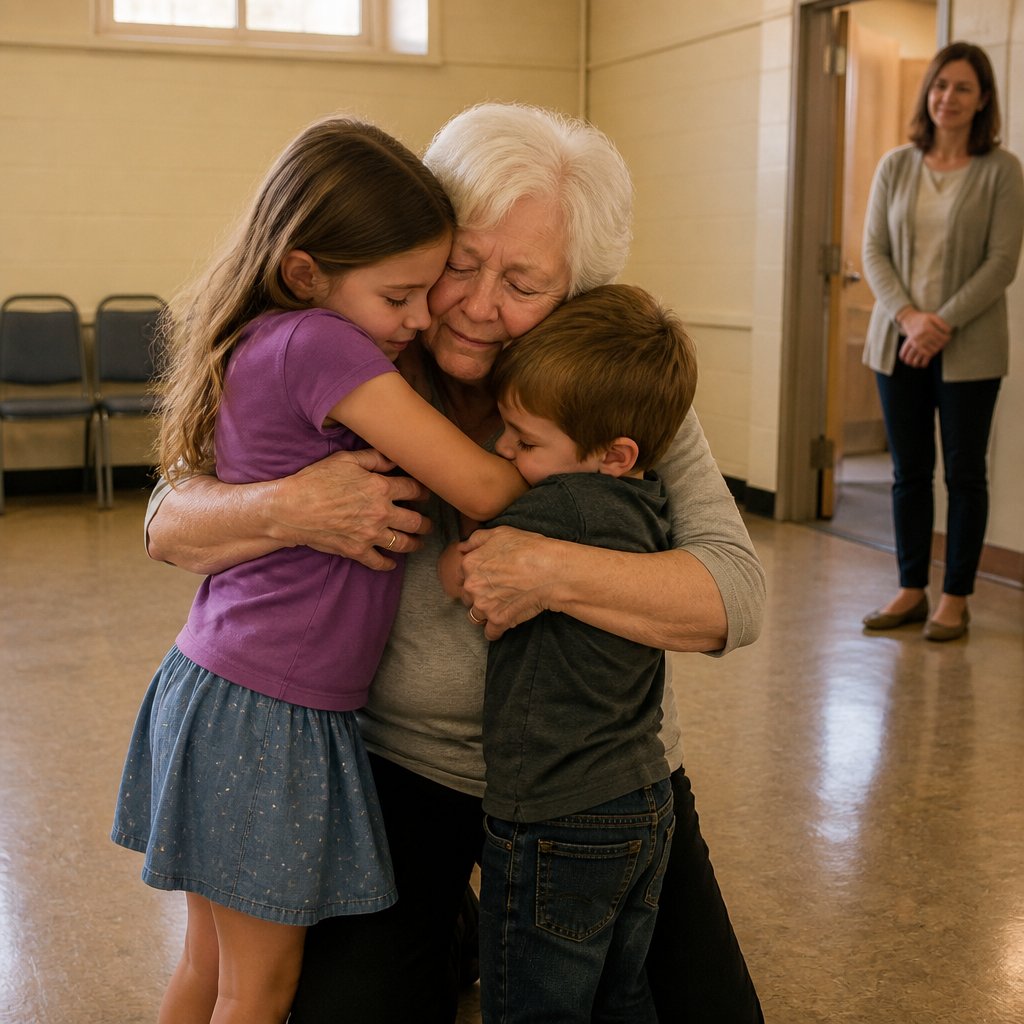
The judge granted me visitation one Saturday per month, six hours, at a neutral location for the first six months, then at my home if things went smoothly. She wrote that the children had a "meaningful pre-existing relationship" with me and that the therapist's testimony supported continued contact. But she also wrote that Tara's parental authority must be respected and that the visitation schedule was "conservative by design."
One Saturday a month. Six hours. After eight years of Tuesdays and Saturdays and holidays and sleepovers and bedtime stories. One Saturday a month felt like being given a glass of water after crossing a desert — enough to survive, not enough to stop being thirsty.
We're Building Back

It's been eight months since the first visit. We're up to Saturdays at my house now. Lily is nine and reads chapter books on my couch. Owen is six and still asks to bake cookies every time he comes. He doesn't ask if I'm mad at him anymore. He knows I'm not. He's known since the moment I picked him up at that first visit and he wrapped his arms around my neck and said "I missed you, Grandma" into my ear.
Tara and I communicate through a co-parenting app that Maureen set up. It's formal and cold, but it works. She drops them off. She picks them up. We don't speak beyond logistics. Maybe someday that will change. Maybe it won't. I have one Saturday a month with my grandchildren. It's not enough. It will never be enough. But I will take every hour and hold it like the gift it is, because I know what it's like to have none.
Should she have allowed more time with the grandchildren?