

I Woke Among Beeping Machines

I woke up in the trauma bay, the smell of antiseptic thick in the air. The fluorescent lights buzzed overhead. On the small table beside my bed was a folded receipt from the rideshare—my last ride before everything changed. My head pounded, but the image of that receipt stuck with me. When I later asked about the GPS route that took us onto that closed road, the company said the logs didn’t exist. They claimed they had no record of the path their own app guided us through. It felt like a lie, but I had no way to prove it.
The Nurse Called Me By The Crash

The nurse walked in wearing scrubs patterned with tiny flowers, tying her hair back as she glanced at the chart. She said, almost offhand, “You’re the rideshare crash from that closed construction zone, right?” Her tone was casual, like she repeated it often. That hit me hard. This place already knew me by the accident, as if the crash had become a known event. Someone had to be talking—maybe quietly sharing the details about the spot where we wrecked. It wasn’t just my story anymore. The location had a reputation, but I didn’t know who was spreading it.
The Adjuster Called While I Faded

My phone rang while I was still groggy from medication. The voice on the other end was clipped, professional. An adjuster. He pushed for a recorded statement, wanting me to recount the crash while my memory was foggy. I tried to focus, but my head spun and details slipped away. He kept steering me toward their version of events, careful to avoid admitting fault. They wanted my words locked in before I saw any bills or medical reports. I felt like a puppet, the strings pulled tight, even as I struggled to hold on to what really happened that night.
Bills Arrived Like Cold Demands
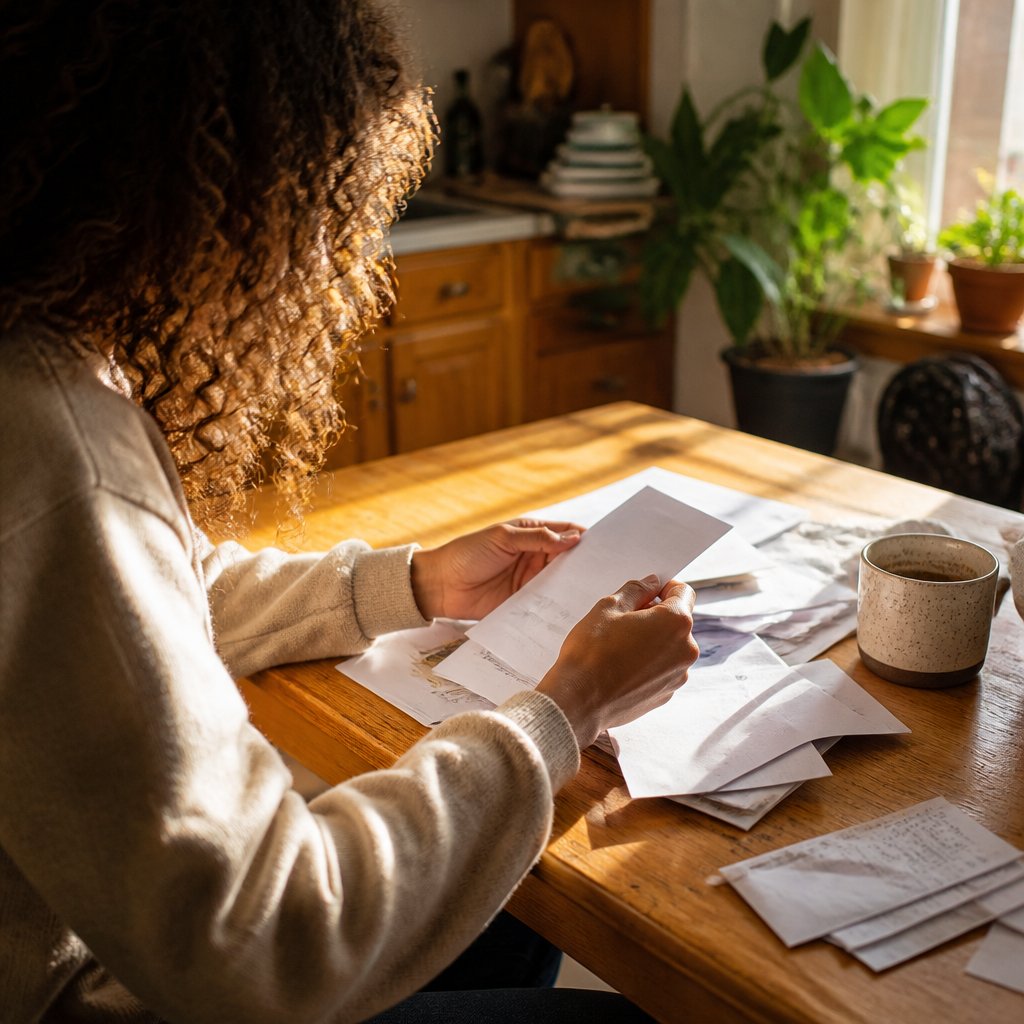
The first set of bills came through the mail. They were crisp envelopes filled with numbers and deadlines. A deposit was demanded for follow-up care—upfront cash before another appointment. The pressure tightened around me. I wasn’t just injured; I was drowning in financial stress. Every bill felt like a lever pushing me to accept a quick release, to settle cheaply. It wasn’t just about healing anymore. It was about making ends meet. I looked at the bills stacked on my kitchen table and wondered how I’d pay them all while still needing more treatment.
Small Credit Came With Strings

The rideshare app offered a small “courtesy credit.” It felt like money, but there was a catch. I had to sign a release form first, giving up my rights to pursue any claims. The credit looked like help but felt more like a muzzle. I sat at my desk, the paper heavy in my hands. Was accepting this credit worth silencing my fight? The number was small, barely enough for one rehab session, but the company framed it as generosity. I hesitated, knowing this choice could limit everything that came after.
Crash Site Rearranged In Daylight
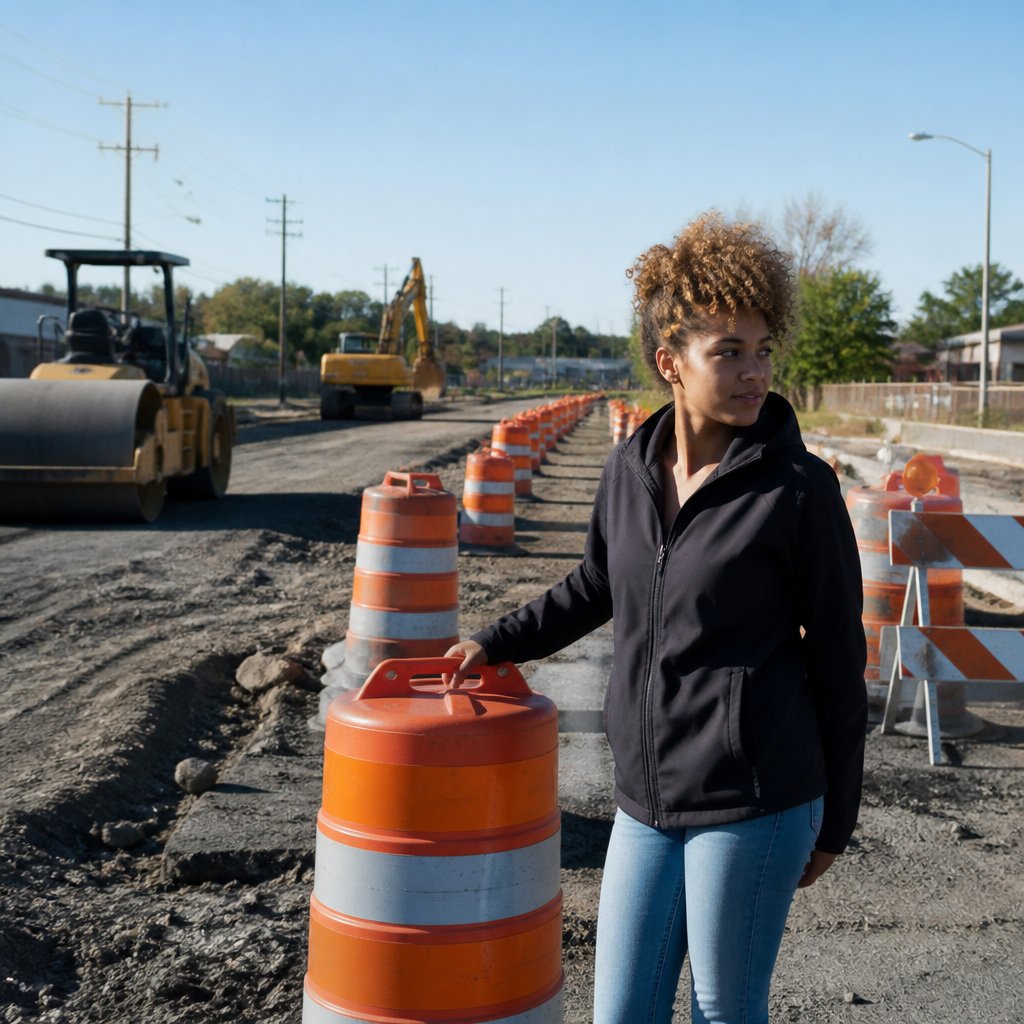
During the day, I went back to the crash site. The torn-up road was still there, but the barrels were rearranged from the police photos I’d seen. The construction zone looked 'fixed,’ cleaned up enough to hide the real danger. It was like the scene itself was being edited after the fact. I ran my hand along a traffic barrel, its bright orange plastic warm under the sun. Something about the changes didn’t sit right. It felt like someone was trying to rewrite what had happened, making the story safer for the company.
Police Report Played It Down

The police report landed in my hands. It blamed me for "failure to maintain lane" and barely mentioned the road closure. The omission felt deliberate. Later, my driver texted me privately: “The GPS told me to go.” That message confirmed what I feared. The report was shaping the story to protect someone. Meanwhile, my driver’s words quietly acknowledged the app’s role. The conflicting versions made me wonder who I could trust when even official documents were hiding crucial facts.
HR Wants Me Back Too Soon
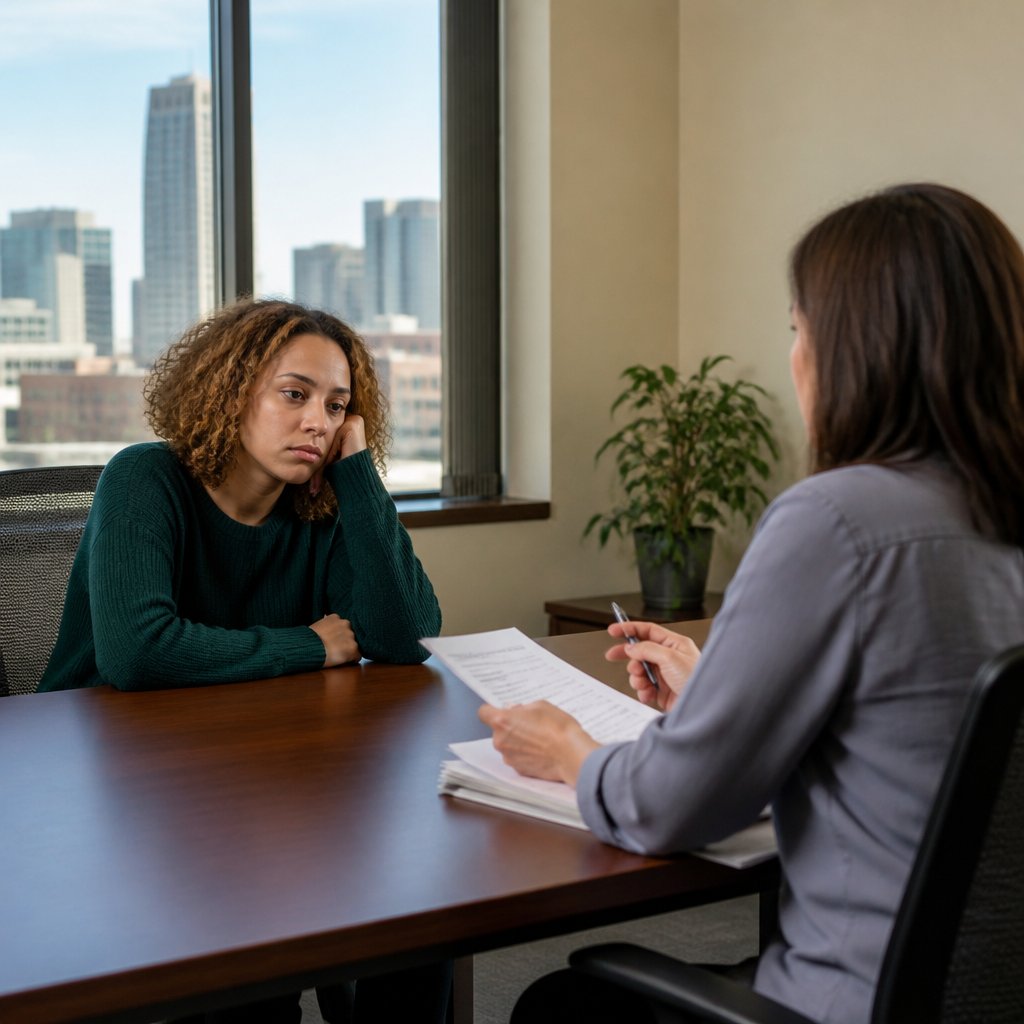
HR called and demanded a return date I couldn’t meet. My body wasn’t ready, but the clock on my job was ticking down. They pressed for paperwork and deadlines, while the legal defense could stall indefinitely. I felt squeezed between two systems—one pushing me back to work before I healed, the other holding all the time in the world to build their case. The pressure wasn’t just physical anymore; it was a battle of schedules and power dynamics I wasn’t prepared for.
Denial Letter Shifted Blame

A denial letter arrived, cold and formal. It declared I was an independent contractor who assumed the risks. Everyone pointed away from the app’s fault and back to me, the one who chose to drive rideshare. I read the letter over and over, the weight of blame settling on my chest. The company washed their hands of responsibility. The legal jargon made it clear this fight wouldn’t be easy. I had to find a way to prove the app’s role, even as the system painted me as the one who made the choice.
Lawyer Fights For Vanishing Data
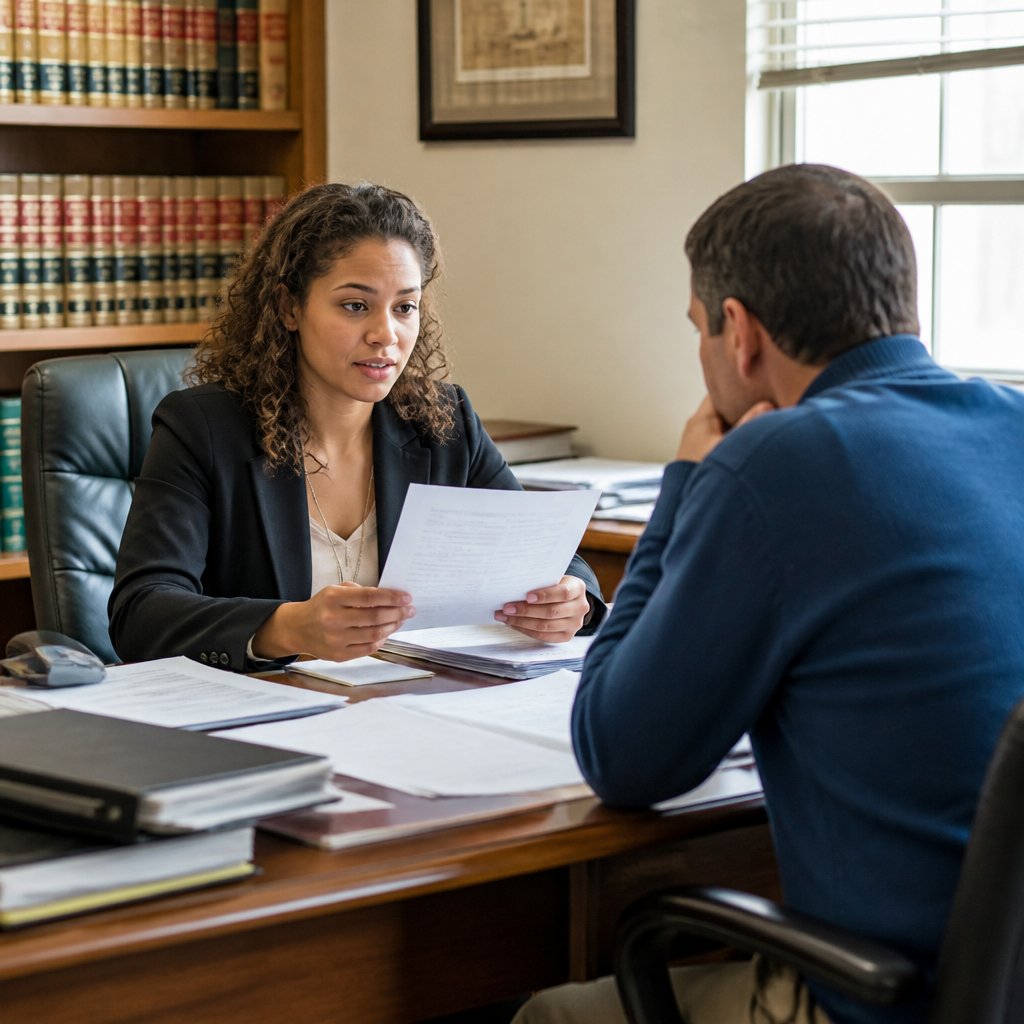
My lawyer sent out preservation letters demanding routing logs and safety tickets. The company replied vaguely, saying they’d keep data “per standard policy” but wouldn’t say for how long. That silence was telling—they could let the records vanish on schedule, erasing proof that might help me. The legal back-and-forth felt like a shadow game. I had to trust my lawyer to hold the line as the app’s secrets hung in the balance, possibly disappearing without a trace.
Two Crashes, Same Closed Zone
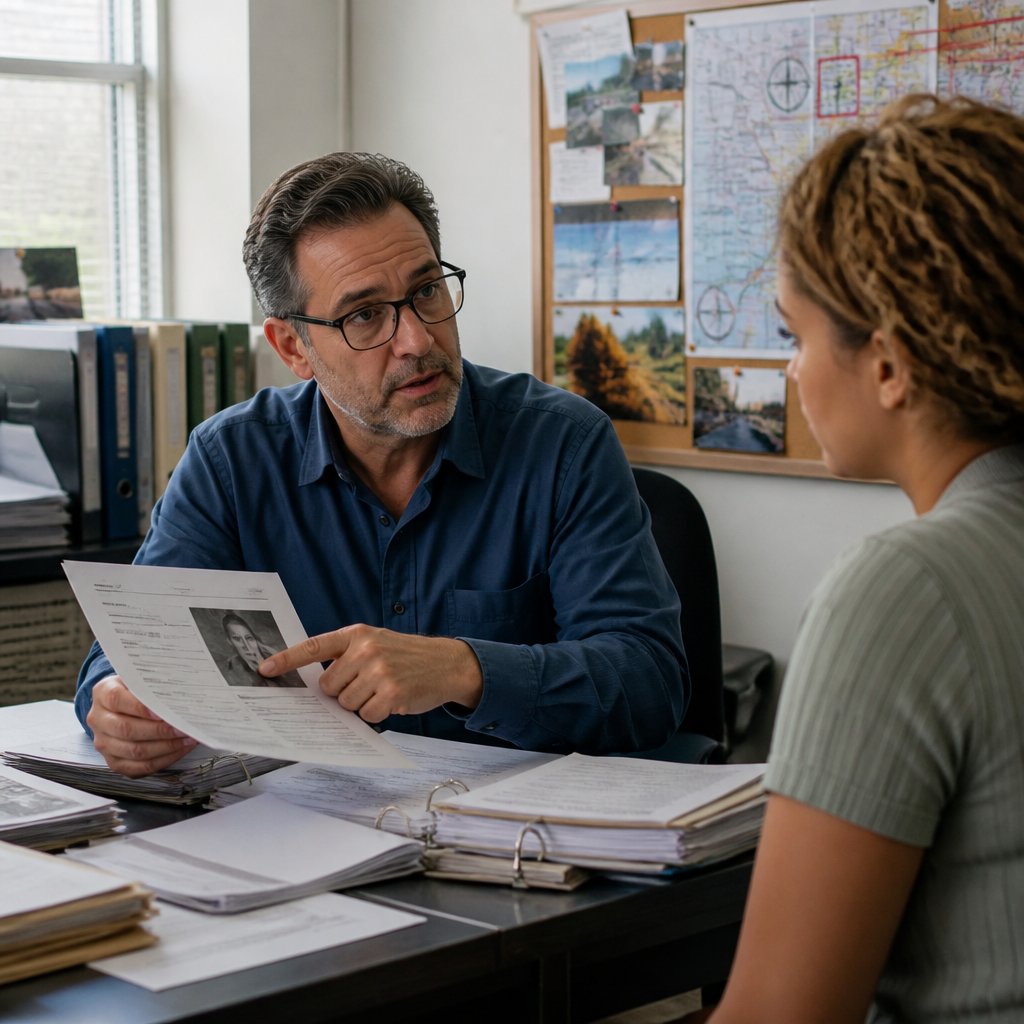
My private investigator called me out of the blue with news. He had found records of two other crashes, just like mine, in that same closed construction zone. Each incident involved drivers routed by the app through barricades at night, into torn-up pavement and unfinished ramps. The details matched too closely to be coincidence. It wasn’t just a one-off mistake; it was a pattern.
He showed me copies of police reports and witness statements, scanned pages that mentioned the app’s directions as a factor. Both drivers had similar stories about trusting the GPS, getting confused by missing or misleading signage, and crashing in the same rough spot. But in both cases, the rideshare company had pushed back hard on accepting responsibility.
My PI warned me the company would fight tooth and nail to keep internal routing data and safety warnings out of court. That data could prove the app routed drivers knowingly into closed roads, but it was protected, hidden behind layers of corporate secrecy. The fight was going to be harder than we’d expected.
As he spoke, I felt the weight of the upcoming battle settle on my shoulders. These other crashes meant I wasn’t alone, but it also meant the company had a motive to bury the truth deep in their servers before discovery could reach it.
Seatbelt Angle Raises New Questions
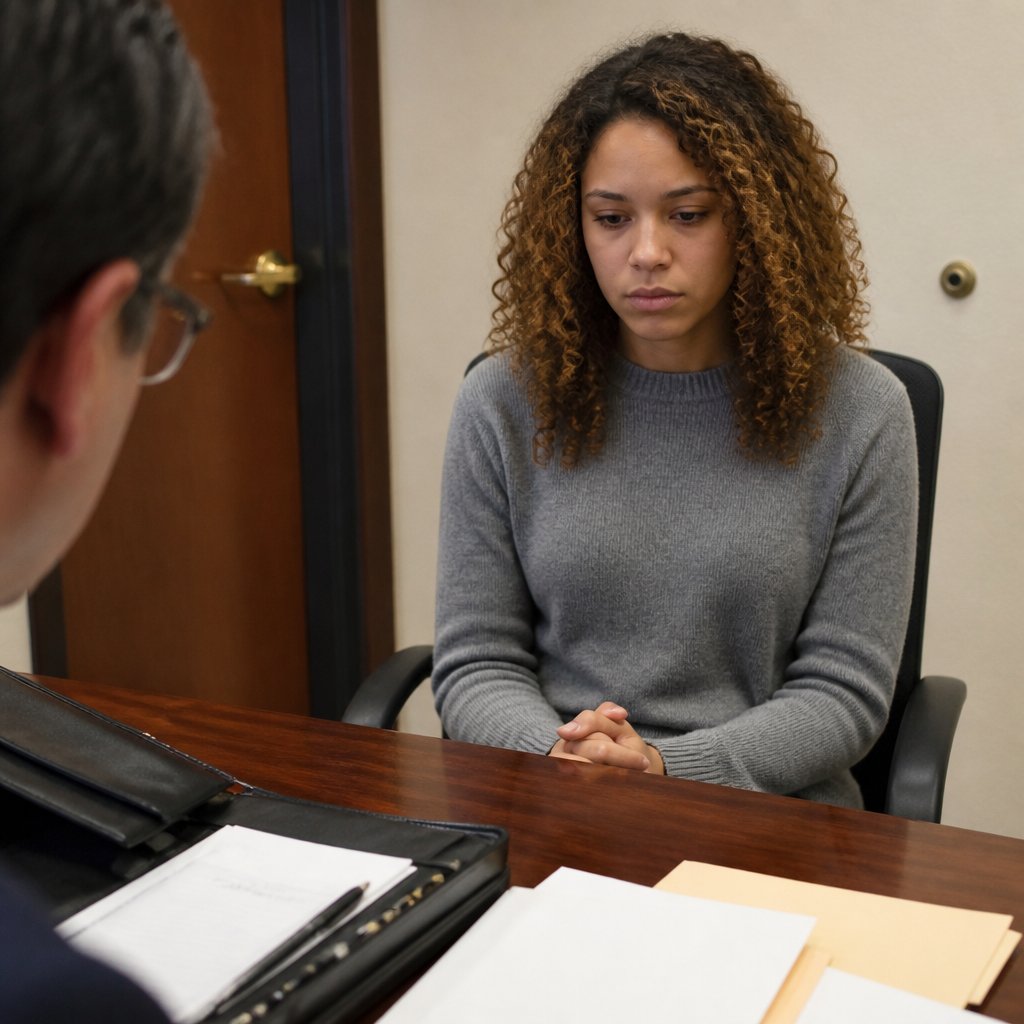
Preparing for my deposition, my lawyer and I reviewed every detail again. One thing stood out: the angle of my seatbelt during the crash. I struggled to remember exactly how it felt—the sudden jerk, the impact—but my memory was fuzzy, fragmented by pain and shock.
The defense lawyer pounced on this uncertainty. They suggested that if I couldn’t be sure about how I was restrained, maybe I wasn’t wearing the seatbelt properly or at all. They hinted that any lapse on my part could shift blame away from the app’s faulty routing.
During prep, I practiced answering questions about that moment over and over. The stress made my head swim and the room feel claustrophobic, like the conference table was closing in on me. Every time I got close to clarity, doubt crept back in.
My lawyer warned me to stick to the facts, but the defense seemed ready to use my shaky memory as a weapon. If they could convince the jury that I was partly at fault, they might dodge responsibility entirely.
As I folded my hands and looked down at the blank notepad, I realized how much hinged on that small detail — a shifting strap across the shoulder, a moment of forgetfulness, a chance to rewrite the story.
Insurer’s Doctor Dismisses My Injury

The independent medical examiner the insurer sent was in and out fast. He spent less than fifteen minutes asking questions and doing a quick exam. Then he wrote a report declaring my injuries were from pre-existing degeneration, not the crash.
According to him, I could return to work in two weeks. That contradicted everything my actual doctors had told me—the surgeries, the rehab, the pain I felt every day. It was like medical reality had been rewritten on paper to minimize my claim.
I sat quietly during the exam, the sterile clinic smelling faintly of antiseptic. The cold metal of the examination table pressed against my back. His dismissive tone made me feel invisible, like my suffering was just noise to be filtered out.
The insurer’s report ignored MRI scans and physical therapy notes. It was clear their goal was to cut costs, not care for my recovery. I wondered how much influence the company had over these doctors and whether anyone was really looking out for me.
The legal battle was no longer just about the crash. It was about fighting a system trying to rewrite my body’s story into numbers on a page.
Did the insurer prioritize profits over your recovery?