


The Robot Knocked Me Down

I was walking down the produce aisle, pushing my cart when I felt a sharp tap on my ankle. Before I could react, the store’s autonomous floor scrubber clipped me hard. I lost my balance and went down on the tile floor with a painful thud. The world went black for a moment. I couldn’t tell what had just happened exactly. My head hit the floor, and everything blurred. I lay there, stunned and dizzy, unsure how long I was out or what would come next.
Confusion In The ER Timeline

The emergency room was bright and cold. Nurses moved quickly, asking questions I couldn’t follow. My head throbbed, and my memory felt scrambled. The doctor filled out forms based on what I could barely tell him. Somehow, the official report didn’t match what I remembered. The accident details were vague, missing the robot’s role entirely. I realized then that this early mistake could be twisted later to say I caused my own fall. I left the hospital feeling raw and unsure, knowing my version wasn’t the one recorded.
The Manager’s Too-Friendly Push
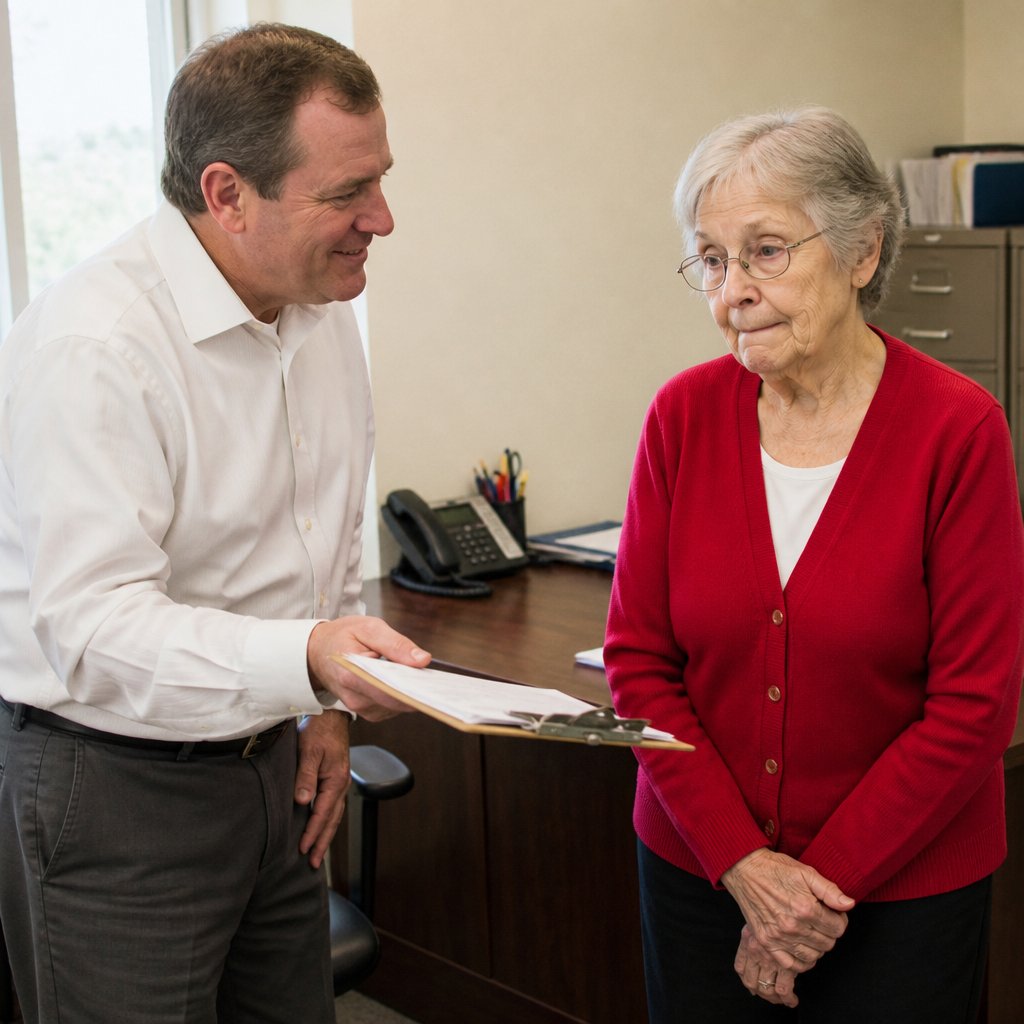
Back at the store a few days after the fall, a manager approached me in the front office. He smiled too much, his tone too easy. He handed me a form titled “customer incident statement.” I felt pressure as he encouraged me to sign quickly before I had a chance to see my doctor. It was like they wanted to lock in a version of events that suited them. I hesitated, sensing this was a paper shield they were building before the real diagnosis even came. The manager’s eagerness made me wary of what the store planned next.
The Insurance Adjuster's Early Call

One afternoon, my phone rang with an unknown number. The insurance adjuster on the line spoke smoothly, saying they wanted to "handle this quickly" if I agreed not to hire a lawyer. There was an unmistakable hush-money vibe in their voice. It felt like a warning not to dig too deep. I realized they were trying to scare me into settling fast, probably to keep something secret. The call left me uneasy, wondering what the company didn’t want me to find out about the robot or the accident.
Migraine Strikes On The Road
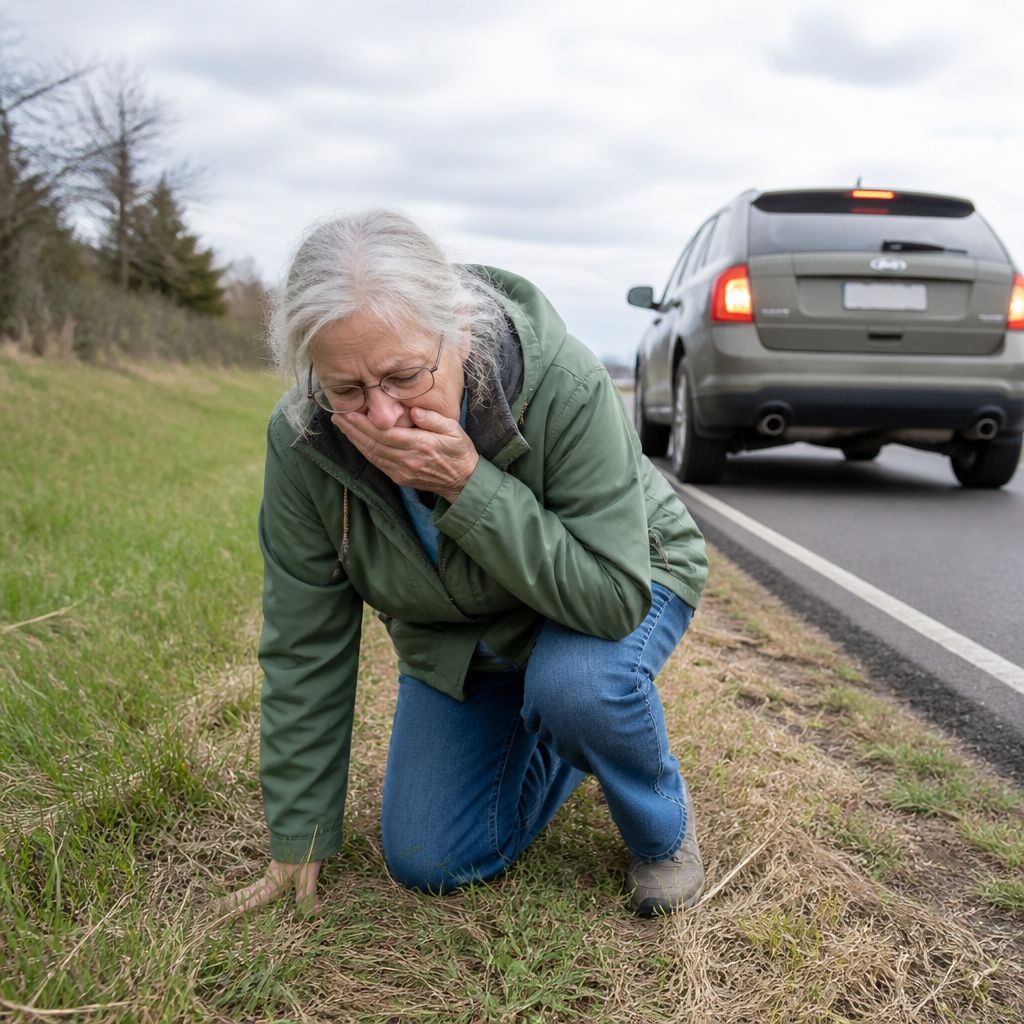
Weeks after the accident, I was driving when a pounding migraine hit out of nowhere. The pain blurred my vision and made me dizzy. I pulled over to the shoulder, feeling sick and nauseous. I vomited into the grass, my body shaking. It was clear my injury was getting worse, but headaches and nausea are easy for others to dismiss as unrelated complaints. The physical signs were real to me, but I worried no one would believe these invisible wounds were connected to the fall and the robot’s impact.
Denial Letter Came Without Proof
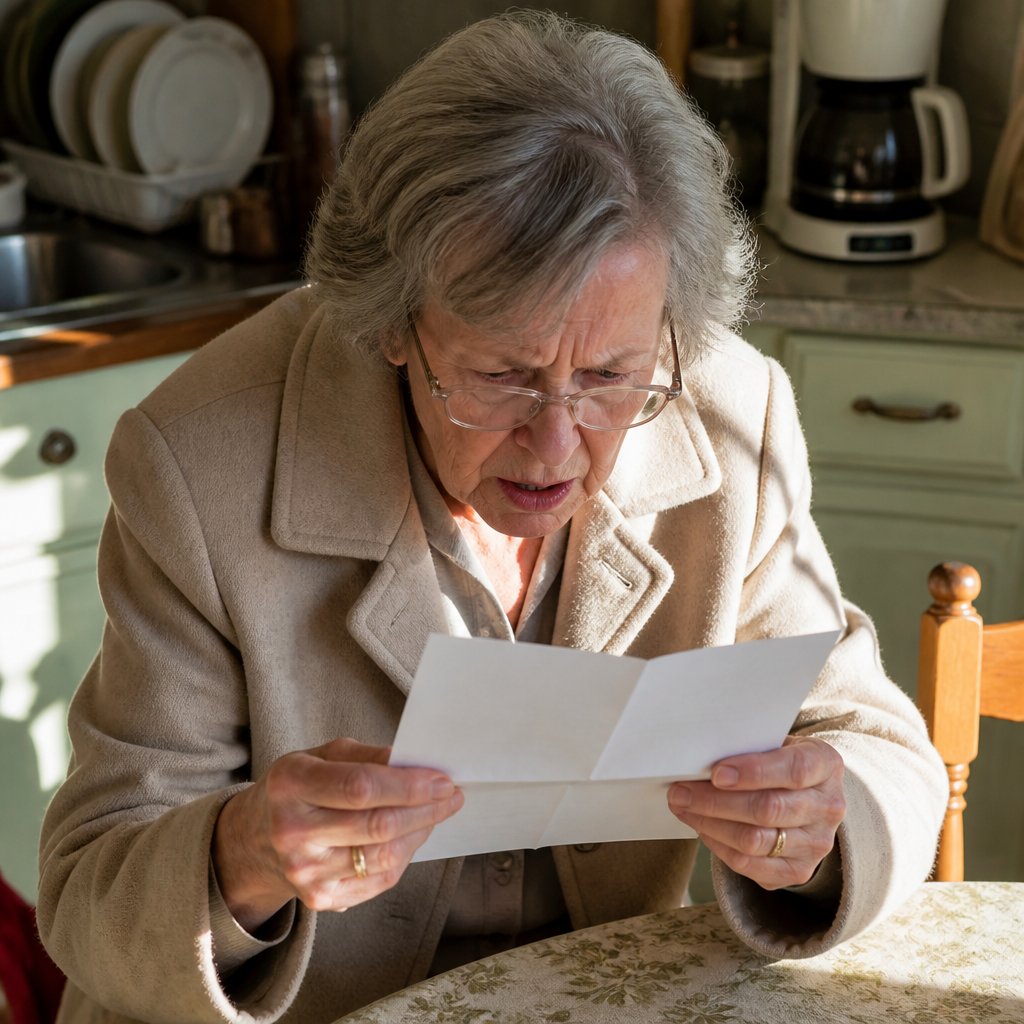
I got the denial letter in the mail. Its language was cold and vague, saying I fell for “unknown reasons” and there was no proof the robot contacted me. It was like the machine never existed. They refused to acknowledge the floor scrubber’s role or take responsibility. Holding that letter, I felt the weight of their denial press down. It was a deliberate erasure of what happened. Without proof, my claim was dead in the water — or so they hoped.
The Video ‘Doesn’t Exist’
I called customer service to ask for video footage of the accident. The response was a flat denial: cameras “don’t cover that aisle.” That aisle where the robot knocked me down supposedly had no recording. It felt like a lie, a block against any proof. I was stuck between giving up or forcing the store to admit they were hiding evidence. Without access to the footage, I had no way to prove what happened. The silence on the other end was deafening.
Cashier’s Whispered Warning

While waiting in line, a cashier lowered her voice and told me the robot had hit someone’s cart last month. The person tried to make a fuss, but she said “they made it disappear.” There was no official record, no names, no documents. It felt like a pattern, a cover-up to protect the store and the vendor. Hearing that whispered confession gave me hope that I wasn’t alone — but without proof, it was just a story. I still had no way to push forward.
Bills Pile Up, Credit Drops

My mail grew heavier with collections notices. My credit score tanked while my kid needed braces. Every day, the financial pressure mounted like a weight crushing me. Calls from debt collectors interrupted quiet moments. It was clear they wanted me to settle fast — before I uncovered anything damaging. The money problem became a leverage tool, squeezing me to give up. But I couldn’t accept losing this fight while my family’s needs went unmet.
Store Passes Blame To Vendor
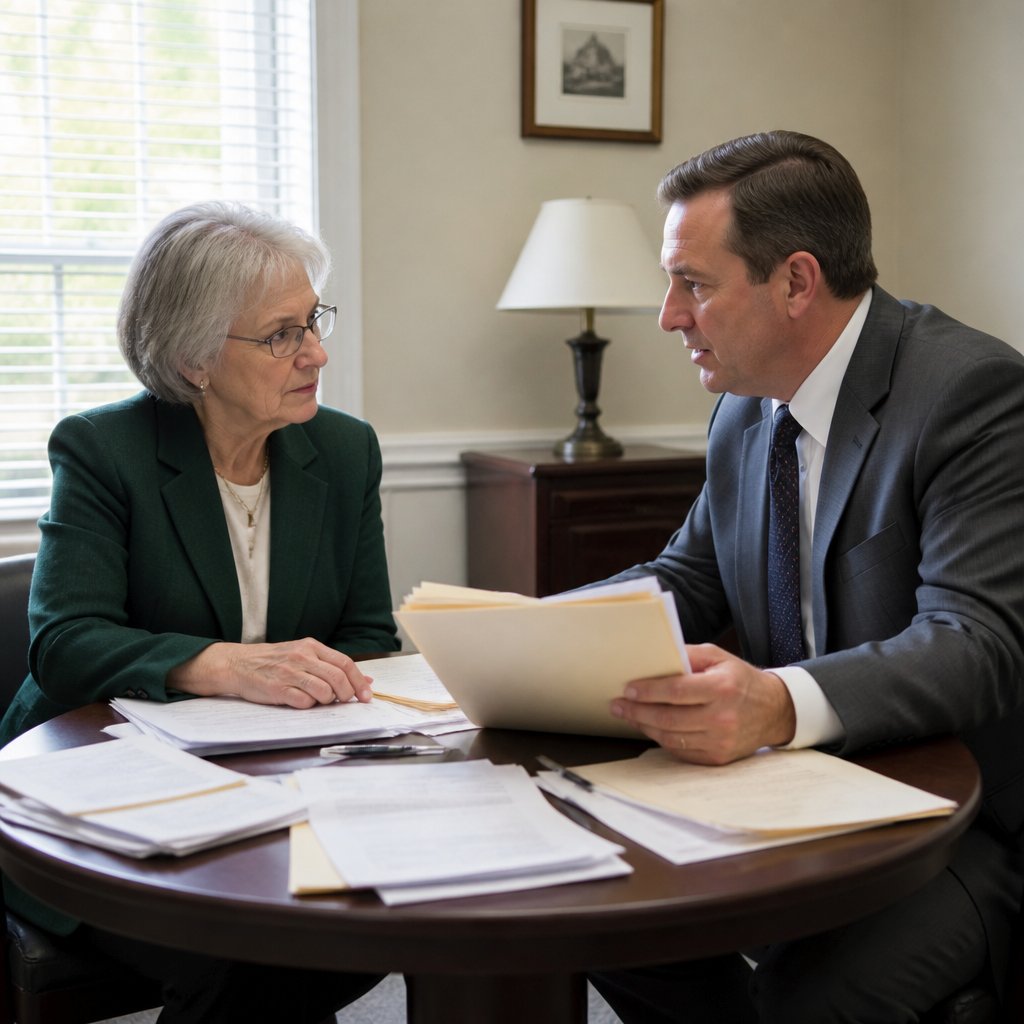
I hired a small lawyer and sent a preservation letter demanding the store keep all data related to the robot. The store’s attorney replied coldly: the robot was owned by a vendor and they had “no possession” of any data. The blame was passing to a shadowy third party, a ghost in the system. It was a tactic to stall and confuse me. The fight was growing more complicated, but at least now, I knew who the real players were. Whoever controlled the robot’s data might hold the key to the truth.
Why Was I Being Filmed?

That Saturday, I went to watch my kid's soccer game at the local park. It was just a normal afternoon, parents yelling encouragement from the sidelines, grass stains on knees, the sharp whistle of the coach cutting through the air. I was in a faded blue hoodie and jeans, blending into the crowd as much as possible. After the accident, outings like these felt like a lifeline.
But then I noticed a man standing near the concession stand, camera in hand. He wasn’t like the other parents snapping pictures or filming their own kids. This guy’s lens kept finding me—following my every move, the way I walked, how I bent down to tie my child’s cleats. It felt invasive, unsettling. I tried to ignore it, but the feeling clung like damp clothes.
A week later, my lawyer forwarded me a note from the insurance adjuster. “Your recent activity shows you’re fully recovered,” it read, referencing the private investigator’s footage as proof that I was exaggerating my injuries. My everyday, ordinary life had been twisted into evidence against me. How could a few moments at a soccer game decide the truth of my pain? I didn’t know what to do next.
Two Legal Teams Suddenly Appear
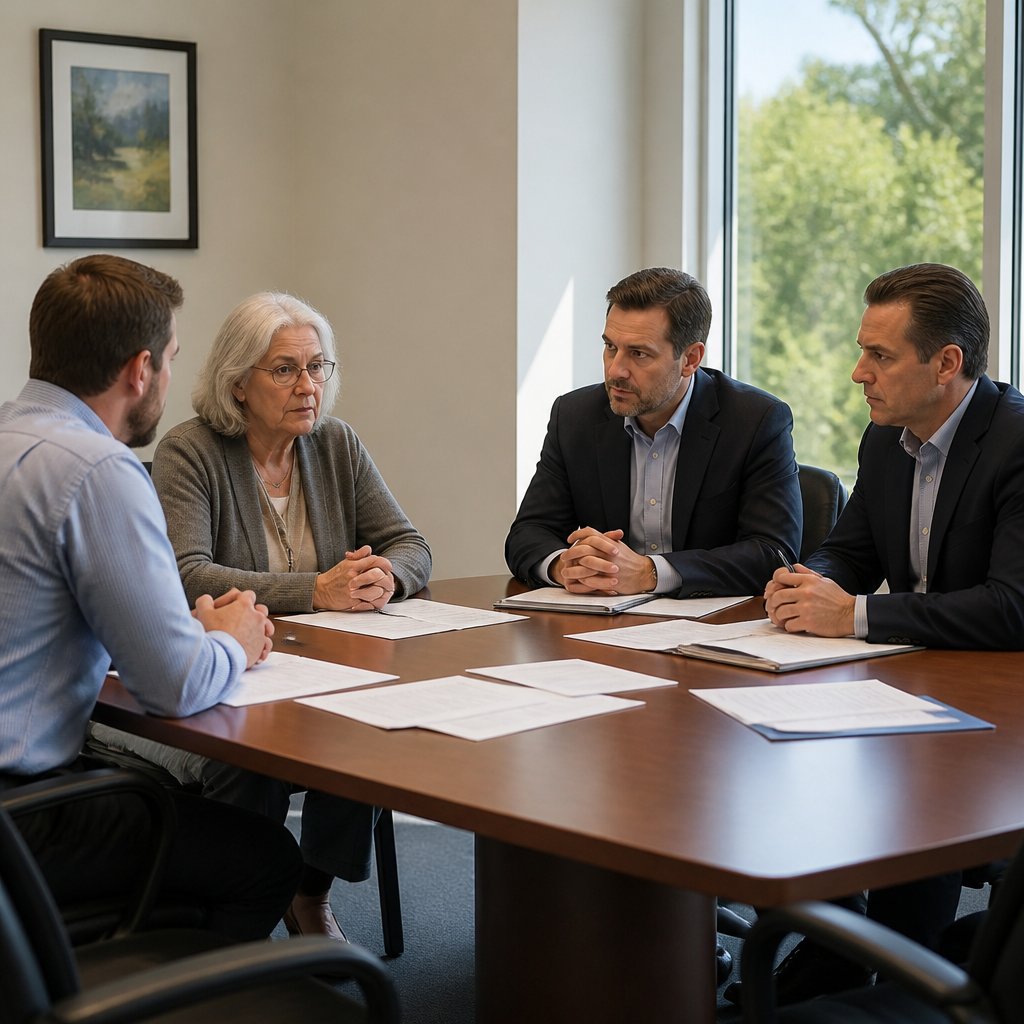
Once we filed suit, everything changed overnight. The manufacturer’s legal team popped up like they had been waiting to strike. I sat in a sterile conference room, walls beige and unadorned, my lawyer on one side, two sharply dressed lawyers on the other. Both sides spoke in clipped tones, each trying to steer the conversation.
They demanded to be included in every call, every meeting. The store’s attorneys insisted the robot was just a tool, the scrubber’s operator was responsible. The manufacturer’s lawyers claimed complete responsibility lay elsewhere. Both defenses worked in tandem, but their goal was clear: separate the robot from blame.
I watched from the sidelines of these backroom battles, feeling more isolated. Their arguments blurred, but the message was the same. I was about to get lost in a legal maze, and I wasn’t sure if I could find a way out.
A Grainy Photo ‘Proves’ No Fall
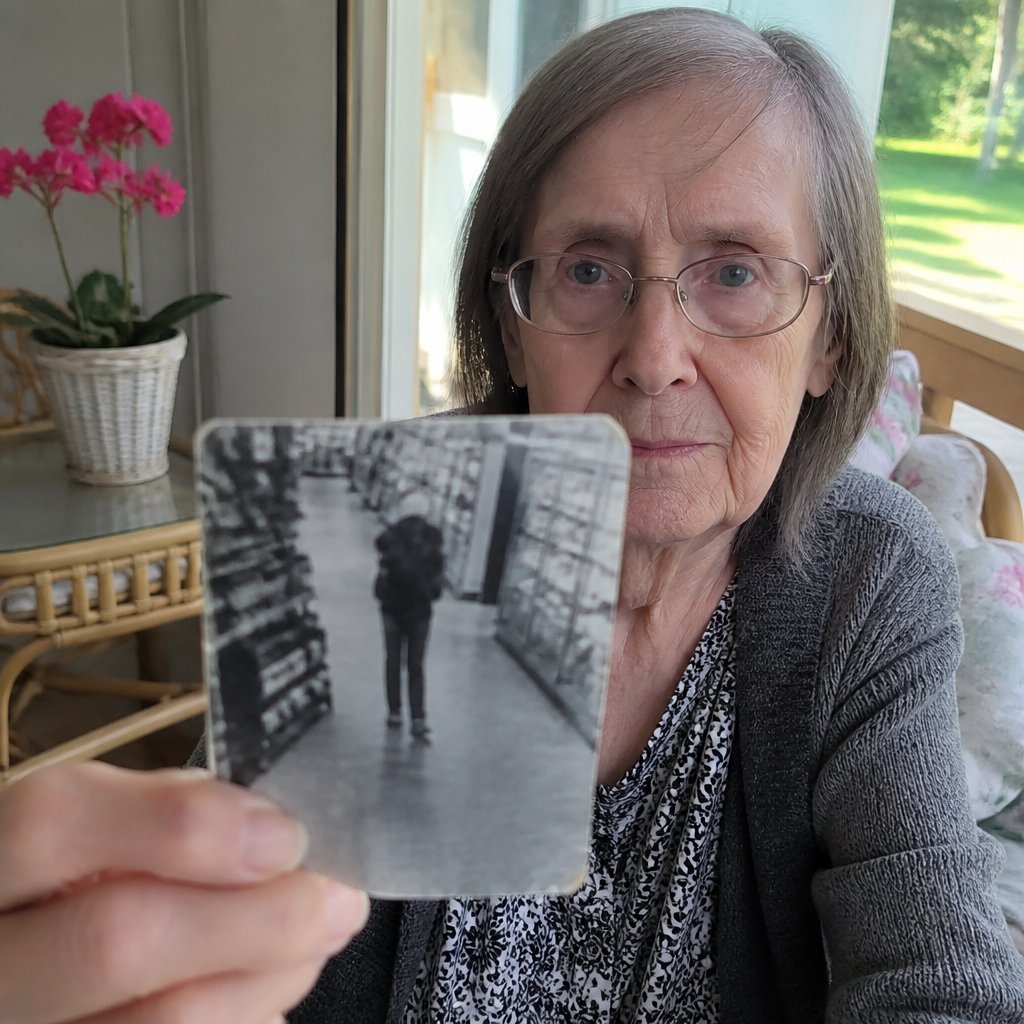
The store’s next move was almost surreal. They produced a single grainy still photo, taken from a surveillance camera. The image was fuzzy, colors washed out; I could barely make out shapes and shadows. It showed me standing, supposedly upright, at the moment they claimed I never fell.
They insisted this photo was definitive evidence that I hadn’t been knocked down by the robot. But when I asked about the rest of the footage, they said the system overwrote video after seven days as company policy. That meant no continuous recording, just fragments that conveniently vanished.
I stared at that faded photo, the blur of my own figure staring back at me. Evidence was supposed to be clear, yet here it was, slipping through my fingers like water. If the footage didn’t exist, how could I prove the truth?
Safety Manager’s Vague Testimony
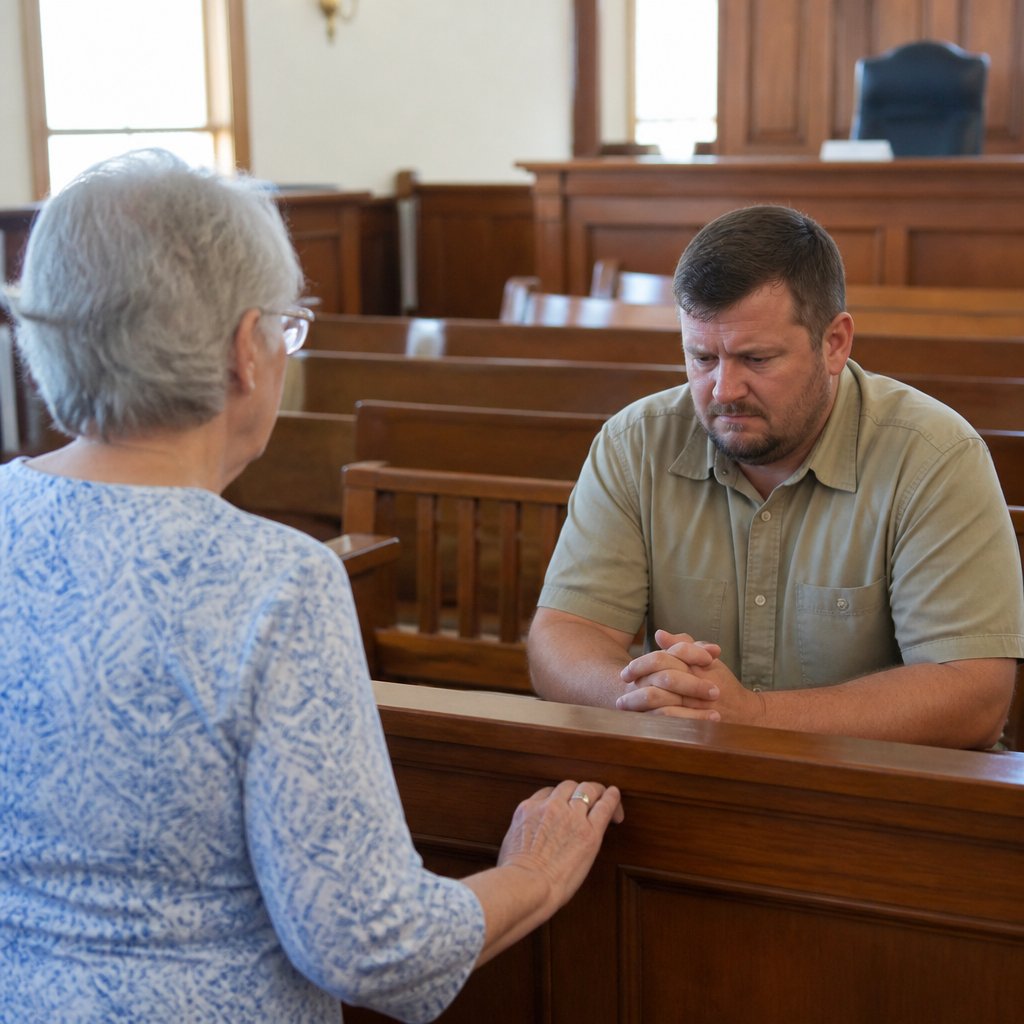
The spoliation hearing was held in a small courtroom with tired wooden benches and scratched linoleum floors. The safety manager from the store took the stand, wearing a khaki shirt and slacks, looking uncomfortable under the judge’s sharp gaze.
He swore the robot was always “closely supervised” during its cleaning routes. But when asked to name the supervisor or provide logs, his answers grew vague. He couldn’t identify a single person who had direct oversight. His hands twisted nervously, and he avoided eye contact.
The judge leaned forward, brows furrowed, clearly interested. Yet despite the tension, no orders were made. The hearing ended with more questions than answers, and I left the courtroom wondering if the truth would ever come out.
Should the store be held accountable for the robot's actions?