



Copays Double, In-Person Ends Early

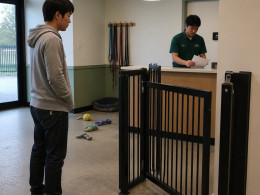
The hospital therapist told me my sessions were over. Copays had doubled, they said, and the insurer wouldn't cover more in-person visits. I was discharged from physical therapy with a stack of exercises and a new app on my phone. The company and my employer pushed this app as an "approved replacement," saying it would guide my recovery at home. The small plastic brace around my knee felt heavier in that moment, as if it was all I had left to depend on. The app's slick interface promised progress, but no one explained how it calculated the exercises or how it knew if I was ready to move on. I stared at the screen in my cramped apartment, the faint hum of the heater filling the room, wondering if this black-box approach would really keep me on track or push me too far, too fast.
Camera Test Rates My Knee Excellent
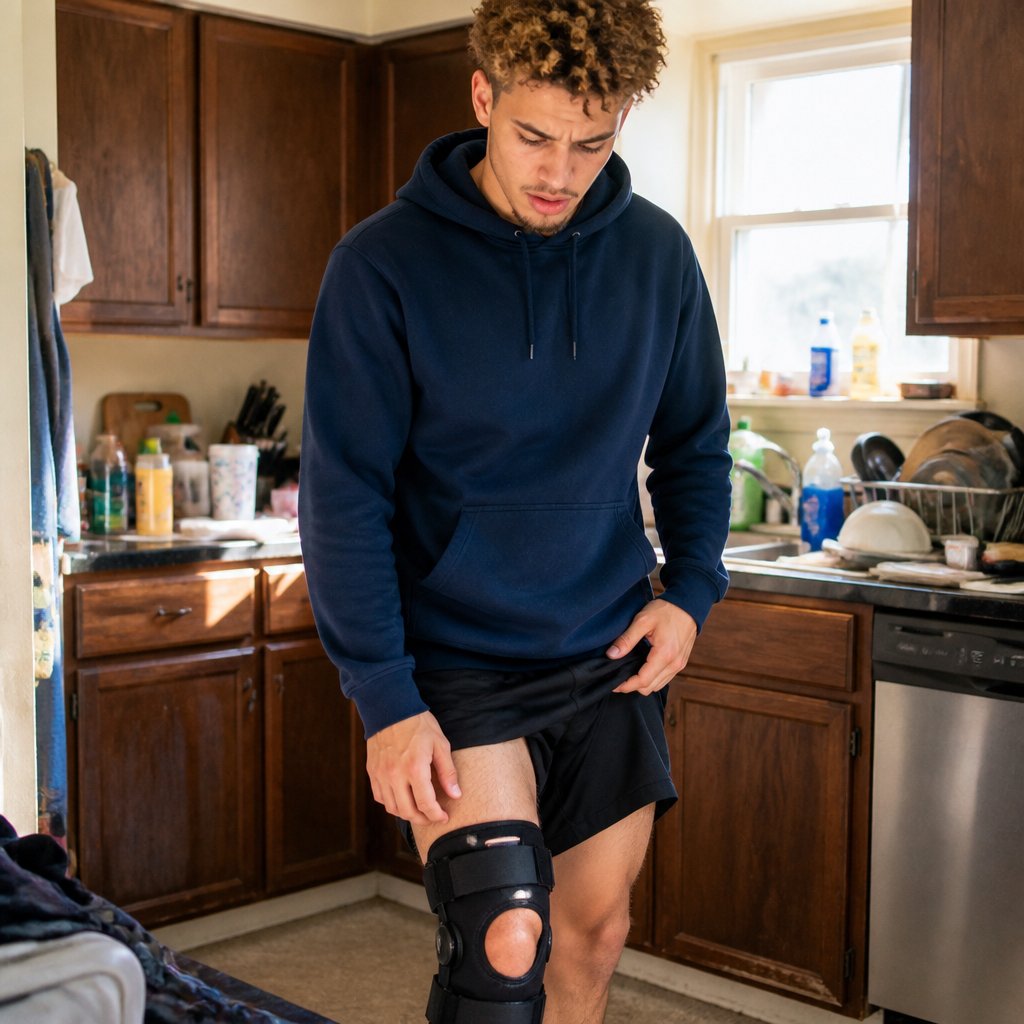
The app started with a camera calibration test, asking me to hold certain poses. My knee was swollen and wrapped tightly in the brace, but when the test finished, it gave me a bright green badge: "Excellent." I stared at the screen, confused. How could a swollen, painful knee be excellent? I sent a message to the support line, but they told me to trust the badge, that the camera and sensors were precise. I felt a cold shiver of doubt. The room smelled faintly of bleach from the clinic visit earlier that day, and the plastic brace felt stiff against my skin. Was the app really reading my condition correctly? Or was something else wrong with the way it measured me? I forced myself to keep going, but the nagging worry stayed in the back of my mind.
App Raised Intensity Without Warning
After a session that felt manageable, the app automatically increased the workout intensity. A green badge flashed on the screen: "Safe to Progress." The message implied I was cleared to push harder. I had never received clinical clearance to advance beyond the beginner moves. The small living room where I exercised felt colder that day, the worn carpet rough beneath my feet. I noticed my knee throb after the exercises, but the app's encouragement pushed me forward. I tried to ignore the dull ache and convinced myself the app knew better. That green badge became a quiet promise that I might be okay, but I still wasn’t sure if I was ready for what was coming next.
The Pop and Fall Mid-Lunge

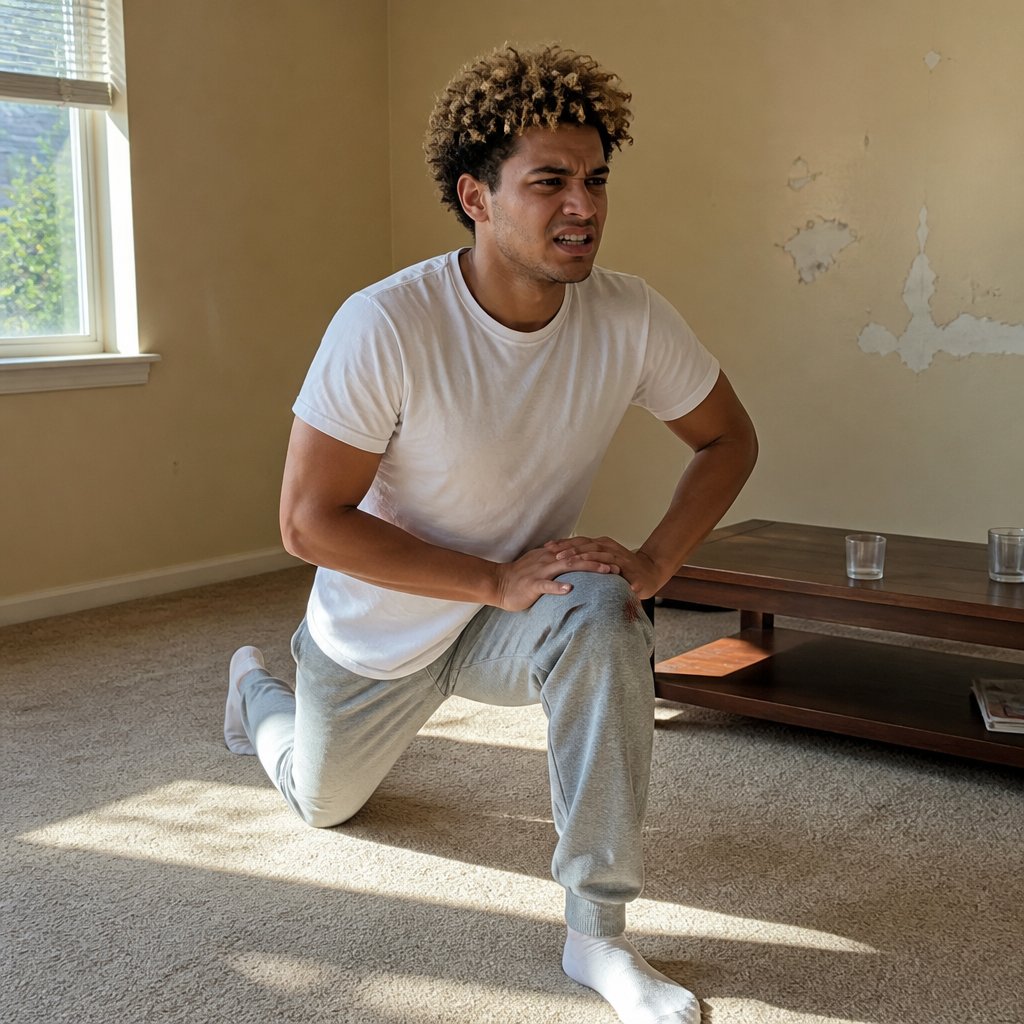
During a "Level 4 stability" lunge guided by the app, I felt a sudden, sharp pop in my knee. My body buckled immediately, and I hit the carpet hard. The app’s voice kept praising my form, oblivious to the pain shooting through my leg. I lay there, breath shallow, the rough carpet scraping my palms. The room was quiet except for the app’s encouraging tone repeating, "Great job, keep it steady." I tried to move, but my knee gave way. The disconnect between the app’s praise and what I felt in my body made me freeze. Was this supposed to happen? I didn’t know if I should get up or call for help, and the screen’s glow was the only light in the small room as I stayed still, holding my injured leg tight.
Data Request Hits A Wall

I emailed the app company’s support to request all my session data, hoping for a detailed record to back my claim. Weeks later, I got a spreadsheet full of numbers, but it was missing timestamps and any intensity metrics. The columns were mostly unlabeled, with vague notes saying parts of the data were “proprietary” and couldn’t be shared. I called the support line to ask why, but the rep just repeated the same line and said nothing else could be given without legal pressure.
I felt the weight of their stonewalling. Without that data, how could I prove the app pushed me too hard? The missing pieces looked deliberate. I stared at the spreadsheet again, the numbers abstract and useless without context. I set it aside, frustration growing. If they wouldn’t release the full logs, I’d have to fight harder to drag it out of them.
The silence from the company was deafening as I considered my next move.
Surgeon Warns Time Is Running

I sat in a small exam room at the orthopedic clinic, the sterile smell of antiseptic sharp in my nose. Dr. Ramirez, a surgeon in his forties with a calm but serious demeanor, explained the damage to my knee. The tendon rupture wasn’t healing on its own, and the window for surgical repair was closing fast. After a few weeks more without surgery, the chance to restore full function would be gone.
He pushed a pamphlet across the table but warned me not to wait. I needed surgery now, but the problem was the insurer still hadn’t approved it. Without coverage guaranteed, I faced thousands in bills or permanent disability. The decision felt like a trap.
His eyes met mine as he added, “Delaying could mean never walking normally again.”
Insurer Splits Coverage Mid-Recovery
After weeks of back-and-forth, the insurer finally approved my knee surgery. Relief hit me like a wave. But the victory was short-lived. When I requested coverage for post-op home nursing, the insurer refused, saying it was “non-work-related” and outside their responsibility. That meant I was on my own during the critical recovery phase.
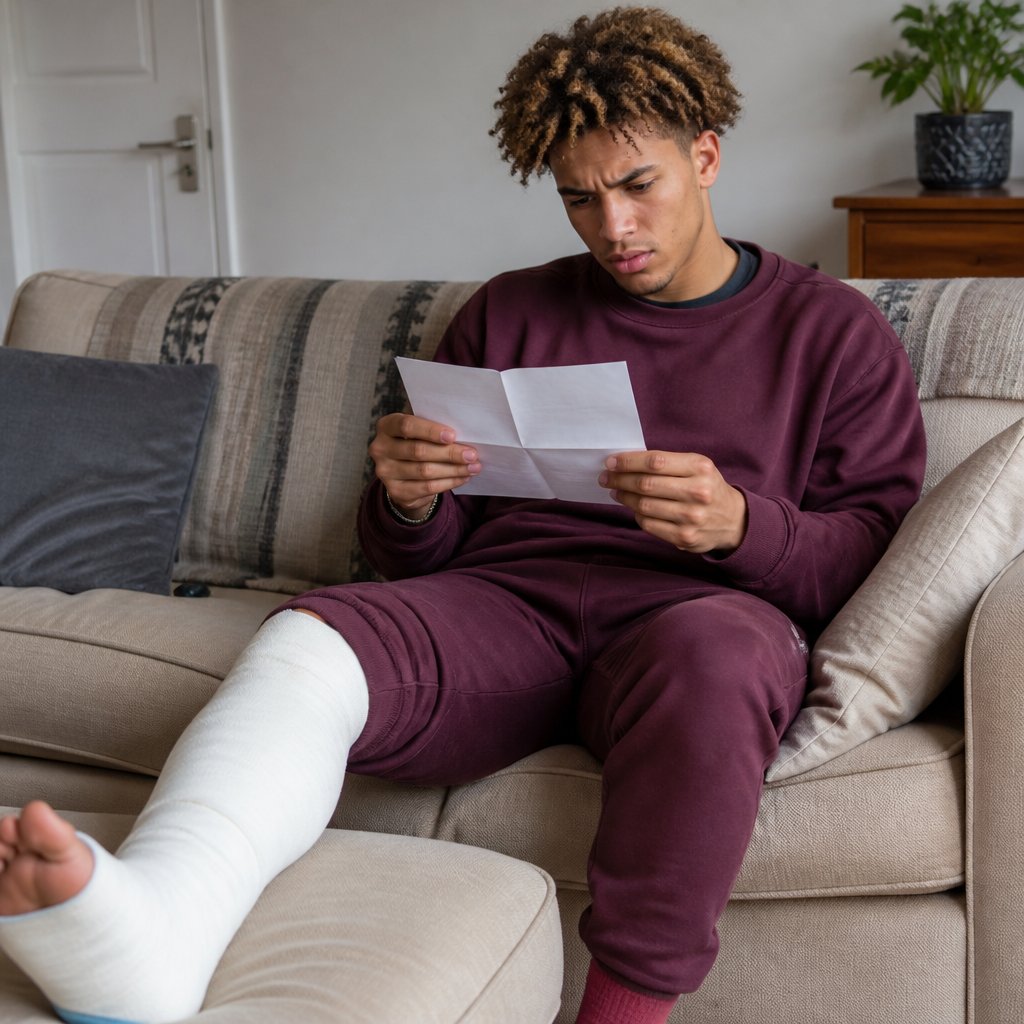
I sat on the living room couch, the plaster cast still fresh on my leg, staring at the insurance letter. The paper felt cold and stiff in my hands, but it was the words that stung: they would pay for surgery but not for the care I needed afterward. Without nursing support, I risked setbacks or even permanent damage.
The divide in coverage left me stranded in the middle of the hardest part of healing, with no clear plan for how I’d manage.
Knee Buckles, Risks Job Security
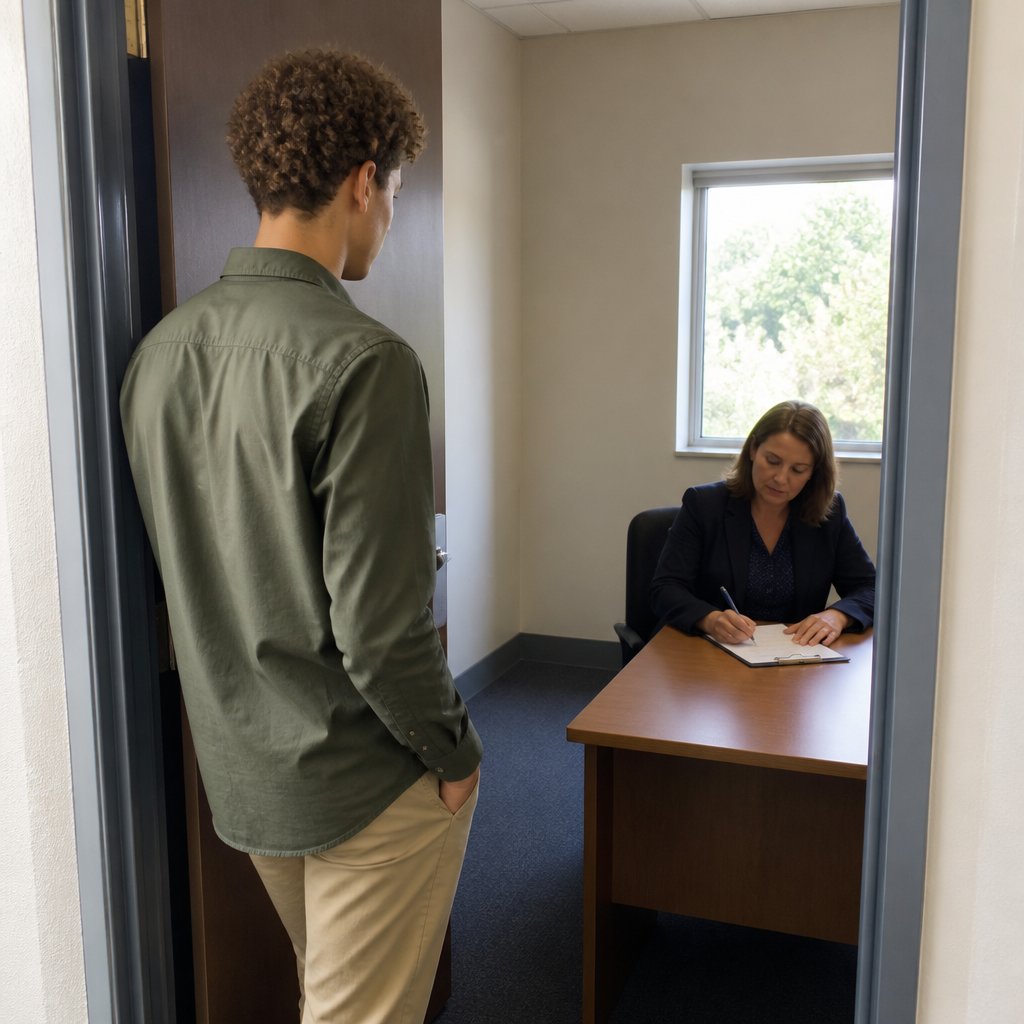
Back at work doing light-duty tasks, I felt the strain every step. One morning, as I climbed the narrow stairwell in the office building, my knee suddenly buckled under me. I caught myself on the handrail but staggered enough to draw attention. My supervisor, a stern woman in her fifties wearing a navy blazer and slacks, called me into her office immediately after.
She sat behind her desk, arms crossed. "Your performance on the stairs is unsafe," she said flatly, writing something on a clipboard. The words felt like a warning shot. I wasn’t just injured—I was a liability. I knew that could set a narrative leading to termination, tied directly to my injury.
The tension in the quiet office hung thick as I left, the echo of my footsteps filling the space.
Lawyer’s Letter Meets Denial

My lawyer sat across from me in a cramped conference room, sliding a typed preservation letter across the table toward the app company’s legal department. The letter demanded they keep all data and communications intact for the case. Days later, their response arrived: a narrow denial of any responsibility and a push to force arbitration based on a clause I had never seen before.
The clause was hidden deep inside the app’s terms, buried behind a dense scroll box during the onboarding process when I was medicated on painkillers. My lawyer frowned, reading the legal jargon. Arbitration would limit the discovery and public exposure of the company’s practices, making it harder to get to the truth.
We both felt the fight ahead was about to get more complex, the rules shifting against me.
Was the arbitration clause fair given your circumstances?