



Heat Rose Through The Deck
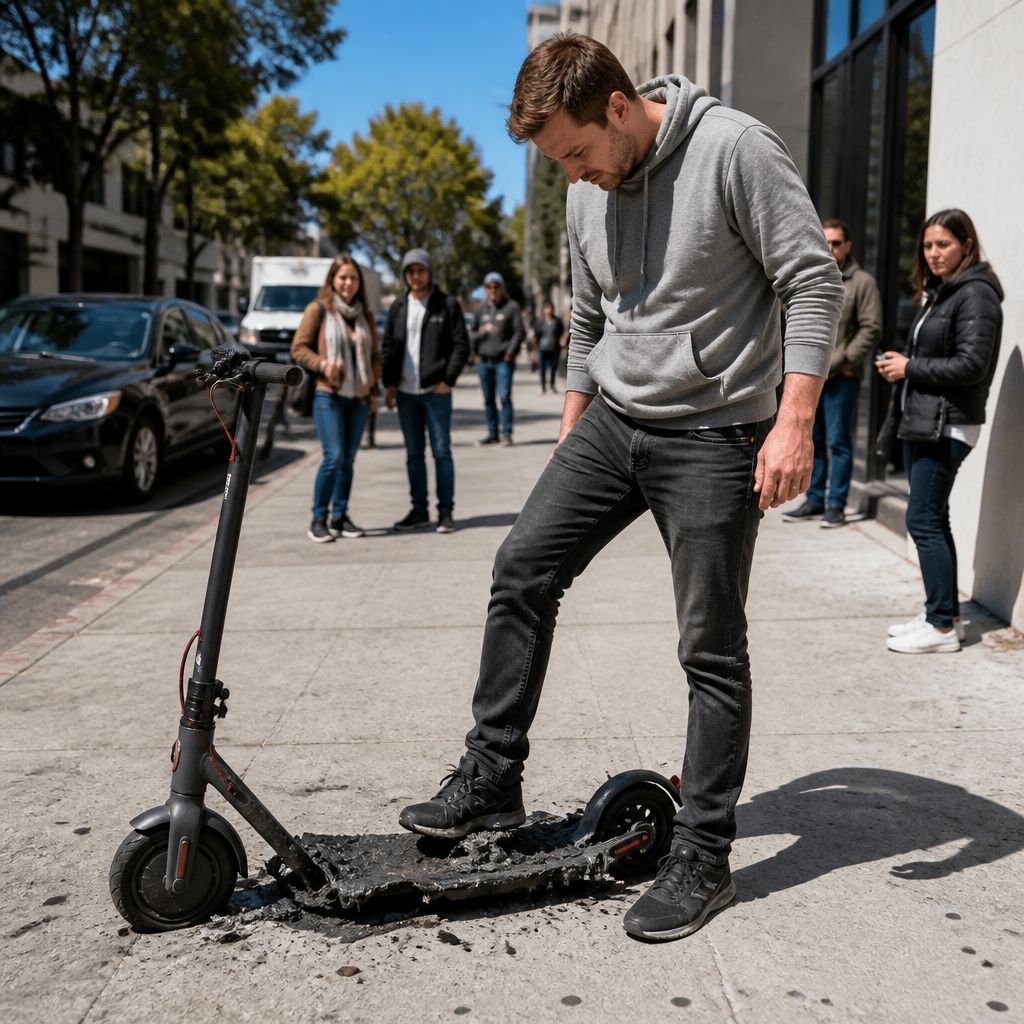
I was midway through my usual route when suddenly heat punched up through the scooter deck beneath my foot. The smell hit me next — sharp, like melting plastic or burnt rubber. I glanced down just in time to see the deck start to bubble and deform around the battery housing. The warmth wasn’t spreading slowly; it was a quick burn, and my foot tingled sharply from the heat. I tried to keep my balance, but a warning bell went off in my head: this was no ordinary malfunction. I pulled the scooter to the curb, heart hammering, wondering how a battery could get this hot without any sign before.
Flames Licked Near Battery Housing
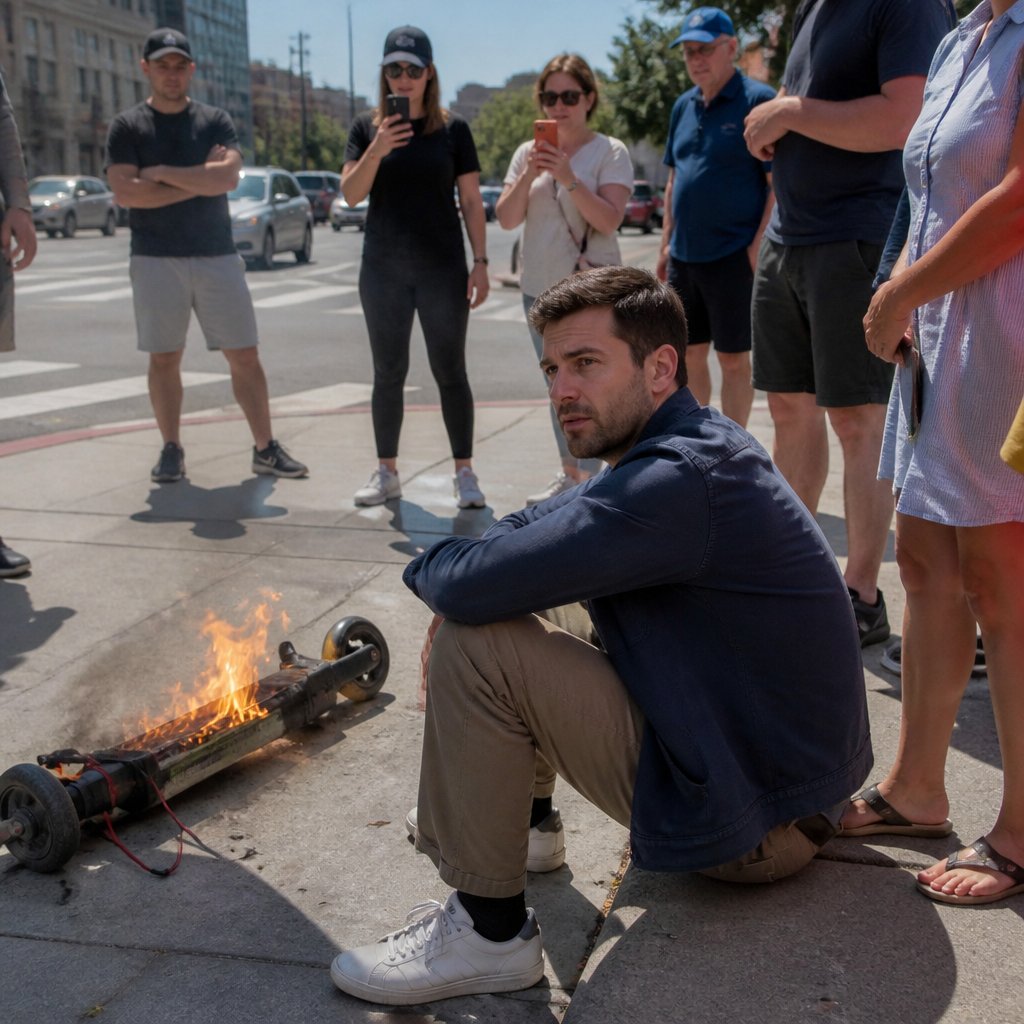
At the intersection, I lost my balance and came down hard on the asphalt. As I lay there, I caught the flicker of flame licking out near the battery housing on the scooter. Bystanders gathered quickly, some pulling out their phones. I could hear the clicks and see the glow of cameras capturing the scene. The smoke was thin but unmistakable, curling upward in a lazy spiral. I knew I’d been lucky not to catch fire myself, but the unexpected proof of the scooter’s fault was out there. The burning scooter was no longer just my word — it was documented by others. But despite the crowd, I didn’t have the phone or the footage in my hands. That nagging feeling of helplessness crept in as the flames stubbornly burned low.
A Nurse’s Question Shaped My Thoughts

In the ER, they documented my burns thoroughly. The nurse cleaned the affected skin and applied dressings while asking routine questions. Then she said something that stuck with me: “Were you doing stunts on that thing?” Her tone was casual but carried a hint of judgment. It was the first time someone suggested my actions might be to blame. That question curled around my mind long after she left — was I responsible somehow? The hospital room was sterile and smelled faintly of disinfectant, but her words painted a different picture. I hadn’t thought of the incident as my fault before, but that innocent question opened the door to self-doubt that wouldn’t go away easily.
A $50 Credit Felt Insulting

A few days later, I got an email from VoltGlide. They sent me an auto-generated incident form to fill out, along with a $50 ride credit. It felt like they were trying to shrink everything into a minor customer-service hiccup. No apology, no explanation — just a small credit like it was a parking ticket. The sterile form asked generic questions about the ride, offering no real room to explain what had happened. It was as if they wanted to close the case quickly and quietly, not take responsibility. That ride credit was a slap in the face after the pain and damage I’d endured. I wondered how they could dismiss a serious injury so lightly, but I was still trying to understand what my next steps should be.
The Adjuster Called While I Wasmedicated

While I was still on pain meds, the claims adjuster from VoltGlide called. My head was foggy, but she pressed for a recorded statement. She suggested the cause was a pothole, almost locking in that story before I could think clearly. I tried to explain the burning deck but she kept steering back to potholes and rider error. The strain in her voice was calm but firm, like expecting a confession. I felt trapped—how could I insist on the real cause when my mind was muddled? The conversation ended too soon and too vaguely, leaving me with a sense that the narrative was already written without me. I wondered if any of this would really change how they handled my claim.
We Hired A Strip-Mall Attorney
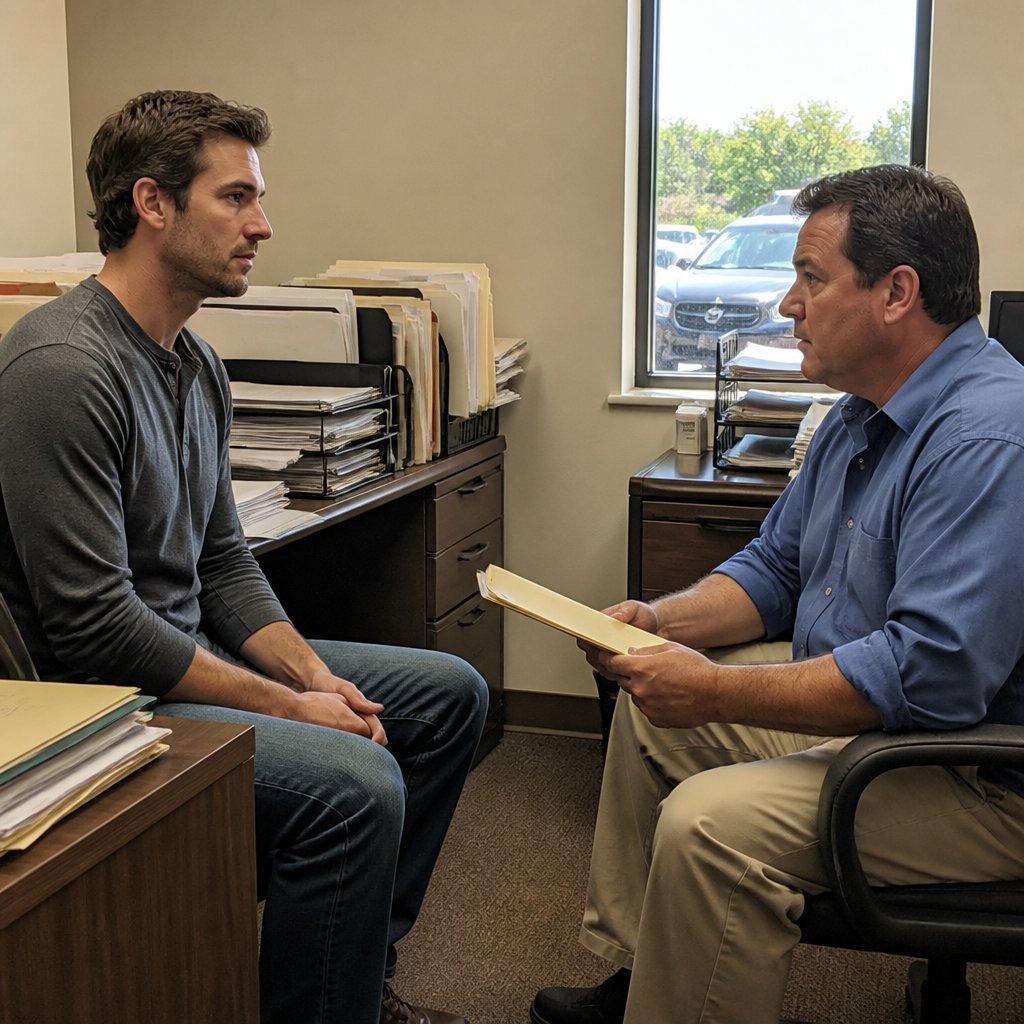
I found a small personal injury firm tucked between a nail salon and a tax prep office. The attorney was a stocky man in his forties, wearing a rumpled blue shirt and khakis, sitting behind a cluttered desk with piles of case files. We talked for an hour about the crash and the burns. He said he’d send a preservation letter to VoltGlide right away, demanding they keep the scooter and all records.
We didn’t hear back for a week. The silence was a waiting game—he told me the clock favored whoever had the scooter. If VoltGlide controlled it, they could claim it got lost or destroyed. I sat on the edge of a sagging couch in my small apartment, the smell of old pizza lingering in the air, hoping the letter would stop them from wiping evidence.
This attorney wasn’t flashy but he seemed steady. Still, every day I felt the weight of time pressing down. I wasn’t sure if the preservation letter was enough, or if we were already losing ground.
The Scooter Was Already Gone

Weeks later, the attorney called with bad news. VoltGlide’s lawyer said the scooter had been "disposed of" as a biohazard. No chain of custody, no photos, nothing to prove it existed after the accident. The phrase “biohazard” stuck in my head, like the burned odor I could still taste from the crash.
I sat in a narrow cubicle at work, the white walls humming with fluorescent lights, clutching the phone. They’d implied the scooter was destroyed deliberately, but they claimed it was standard procedure for hazardous material. No proof either way. It felt like VoltGlide was erasing the only solid link to what happened.
The attorney said it was spoliation—the intentional destruction of evidence—but without proof, it was just a word. I leaned back in the office chair, looking at the ceiling tiles feeling smaller beneath the fluorescent hum, wondering how to fight what might be disappearing in front of me.
A Video Shows A Flash Before Crash

A coworker at the law firm called me late one night. She’d found bystander footage from the day of the crash—a shaky phone video shot from across the street. I watched with my lawyer in a small conference room; the lawyer leaned forward, eyes narrowing.
There was a clear pop and flash from the scooter’s rear before I crashed. The flames flickered just before I hit the pavement, the sound of the explosion muffled but visible. The pothole story my ex-girlfriend’s insurance rep pushed suddenly felt hollow. The video was proof that the battery ignited, not just that I’d stumbled.
But the file was fragile. Whoever uploaded it could pull it down anytime. The room smelled faintly of stale coffee, the blinds drawn tight against the night. We both knew this clip was a turning point—but also a ticking clock.
Online Posts About Hot Decks Vanish

I started digging online the same night. Other riders were posting about “hot decks” and melted battery casings—words I hadn’t heard before. The images showed scorched scooter parts and warnings from users who’d nearly caught fire themselves. It was a small community warning each other, but something didn’t feel right.
The next day, many of those posts disappeared. I scrambled to screenshot the evidence on my laptop in my cramped bedroom, the desk cluttered with bandages and burn cream. Each missing post raised my heart rate. Whoever controlled the story was censoring the complaints.
My phone buzzed with an email alert, but I ignored it. The screenshots were a race against time. If these warnings vanished, so would my chance to prove my scooter wasn’t a one-off defect. I stared at the screen, knowing this digital trail could evaporate.
Contractor Confesses To Thermal Events

The deposition room smelled of stale coffee and anxiety. I sat across from the contractor, a middle-aged man with graying hair and tired eyes. He finally admitted that some scooters had experienced "thermal events"—a technical term for overheating or fire risks. He said those units were pulled off the main inventory and sent to a separate pallet marked for scrap. The way he said it made me think there was a secret pile somewhere, hidden from the public and possibly the courts.
But when the whistleblower, scheduled to testify next, vanished without notice, the case took a sudden turn. The court clerk called me hours before the hearing: the witness was unreachable. My lawyer was frustrated, and the defense smelled opportunity. The silence filled the room as everyone wondered if the truth would ever come out without that crucial testimony.
Battery Venting During Testing

In a sterile testing lab, the court-ordered battery exam was underway. I watched from behind the glass as the lab tech carefully placed a battery pack on the workbench. Suddenly, the pack hissed and vented smoke and a faint smell of burning plastic. It was a small but unmistakable warning—a venting battery under controlled conditions.
The defense attorney immediately filed a motion to exclude this evidence, arguing the battery tested wasn't 'substantially similar' to the one involved in my accident. The judge seemed uncertain, glancing between the lab report and the defense’s objections. Whether the jury would get to see this venting demonstration was suddenly the case's hinge point.
Emails Reveal Reclassification Orders
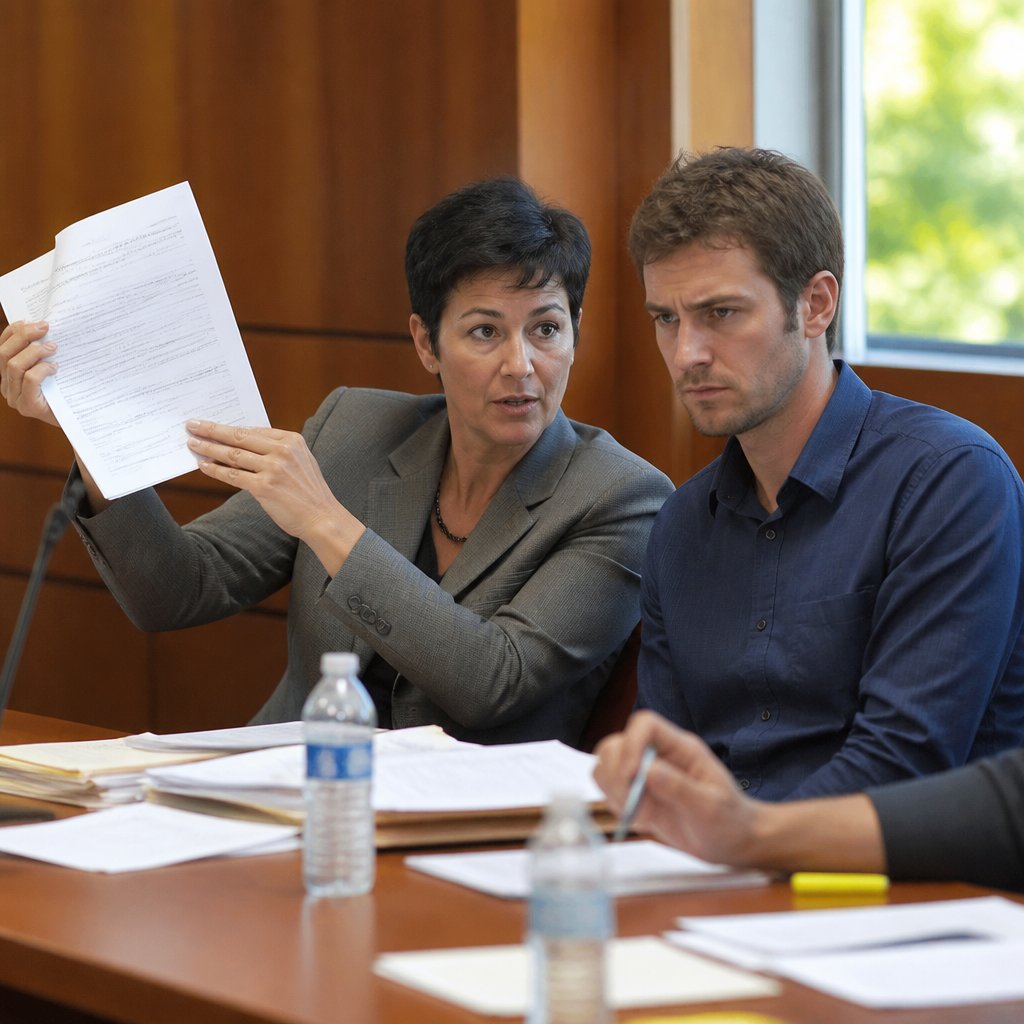
We finally got access to internal emails during pretrial discovery. Reading through them felt like peeling back layers of a cover-up. Executives instructed staff to reclassify any ‘thermal complaints’ as rider error or misuse. It was deliberate, systematic mislabeling to bury real safety issues. The judge wasn’t pleased and warned the defense about spoliation—the destruction of evidence, especially since the actual scooter was gone.
The defense team grew defensive and started blaming the battery supplier instead, just days before trial was set to begin. The pressure was mounting, and I could see cracks forming in their story. But the missing scooter and destroyed evidence hung over everything like a shadow.
Defense Attacks Finances And Safety Memo
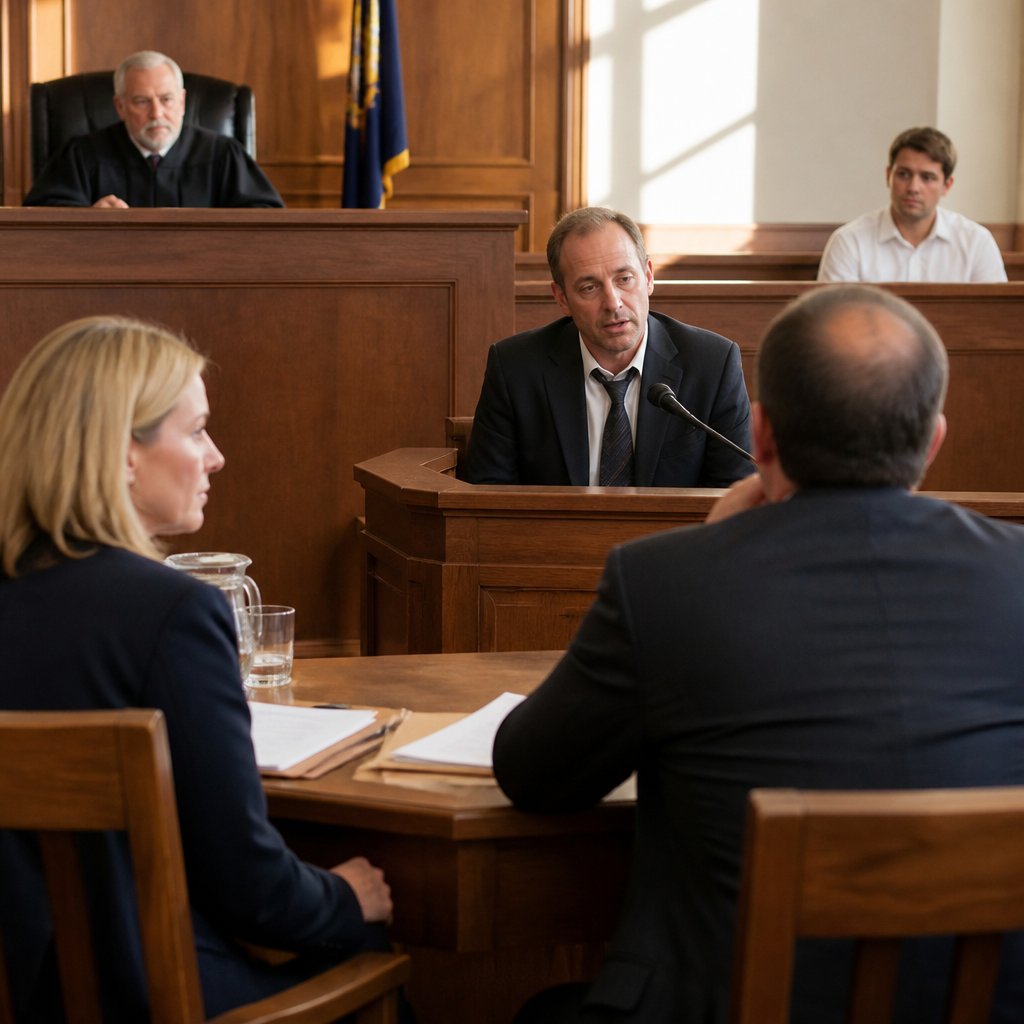
Trial opened with the defense attacking my personal finances—repossessed car, unpaid bills, all laid bare in the courtroom. It felt intrusive and unfair. Then came the bombshell: their former safety manager, called under subpoena, admitted that after a corporate memo about cost-cutting, the company switched to cheaper battery packs. The admission came quietly but firmly from a man in his late 40s with a worn suit and resigned expression.
The jury was close to connecting the dots—the motive behind the dangerous batteries and the harm I suffered. But the defense scrambled to shift blame elsewhere as the judge reminded everyone this was far from over.
Settlement Offer Amid Venting Evidence
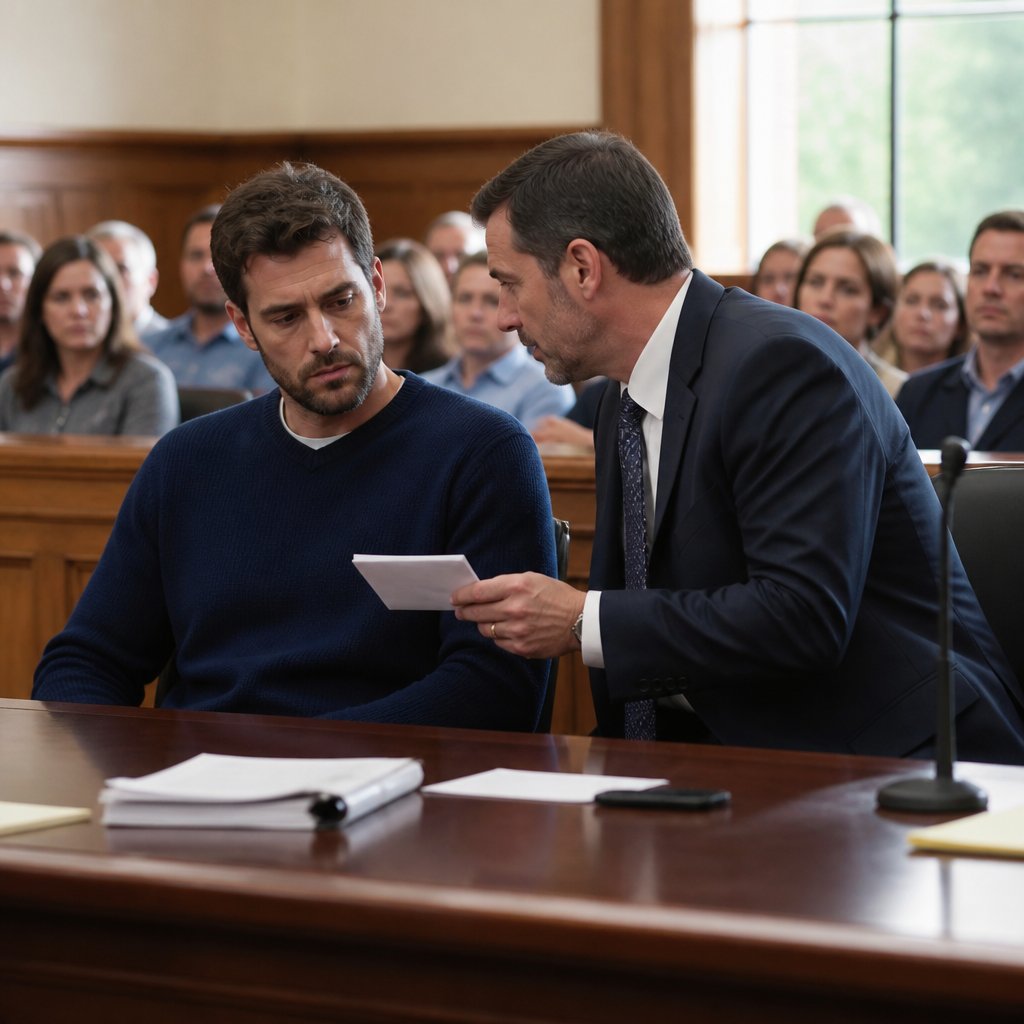
Mid-trial, the lab tech’s venting battery evidence was admitted. The courtroom air was thick as smoke from the lab seemed to hang in memory. Then the defense made a surprising move: they offered a higher settlement amount—but with a strict gag order. If I accepted, I wouldn’t be able to talk about the case or the evidence publicly.
It was a tough choice. The jury was still deciding, and the missing scooter’s fate loomed large. Could I trust a deal that kept the truth hidden? The question weighed heavily as the courtroom buzzed with quiet anticipation.
Jury Asks About Disposal Policy

Days later, the jury sent a note asking about the company’s scooter disposal policy. Everyone in the courtroom leaned in as the judge read the question aloud. Then he issued a spoliation instruction—warning the jury that destroying evidence, like the missing scooter, could be seen as an attempt to cover up the truth.
VoltGlide’s team exchanged worried glances. For the first time, it felt like they had no procedural cover left. The tension was palpable as everyone waited for the next move and that looming verdict.
Verdict And VoltGlide’s Recall

The verdict came down hard. The jury found VoltGlide liable for defect and negligence, and awarded punitive damages tied to the company’s concealment of the hazards. Minutes later, VoltGlide announced a voluntary safety upgrade and recalled the entire batch of batteries involved in my injury.
The win was a relief but far from the end. As I left the courthouse, I found an email from my insurer offering a structured payment plan—another reminder that the fight to recover was just beginning.
Was the jury's decision against VoltGlide justified?