


Why The Referral Felt Urgent

I was driving home after a long day when I nearly drifted into the highway median, my eyes fighting to stay open. That was the moment my doctor’s referral came through—urgent and firm. They said I needed a sleep study and a CPAP setup as soon as possible, no time to waste. When I called the clinic, they pushed me onto their pipeline fast. The receptionist didn’t offer a chance to ask questions, just booked me for the earliest possible appointment. I showed up feeling tired and confused, sitting in a generic waiting room chair, my hands folded, watching a clock with a steady, indifferent tick. The nurse called my name quickly, and before I could gather my thoughts, I was told to follow her. Something felt off about the pace, but I didn’t push it. They seemed determined to move me through the process, like I was just another number in line, not a person who nearly crashed on the highway just hours before. I wondered what the next few days would hold but had no way to prepare. The clinic’s urgency felt like a warning I didn’t fully understand yet.
Rushed Into The Titration Room
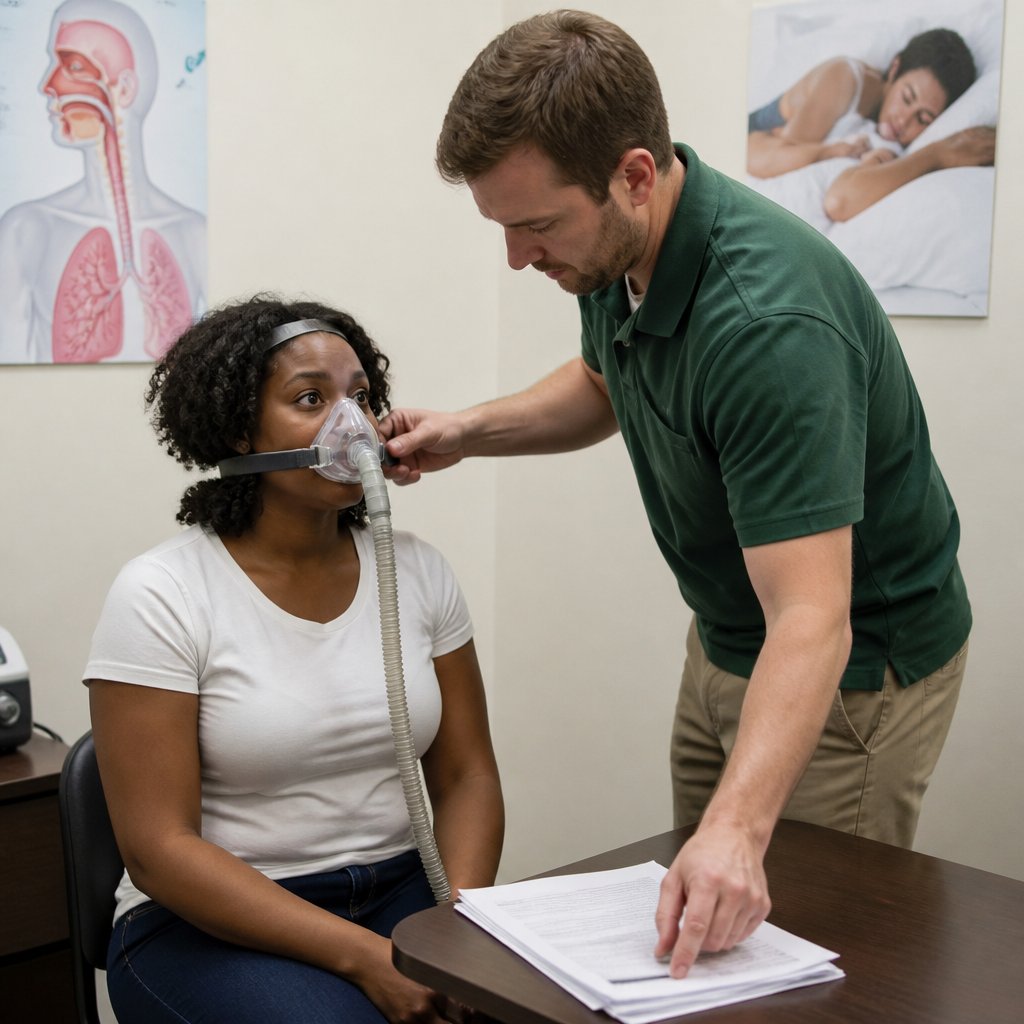
The titration appointment felt hurried from the start. The clinic technician was a tall white man in his late 40s, wearing a green polo and khakis. He barely glanced at me before pulling out a sleek black CPAP machine, calling it a "new smart auto-adjust" model that was safer than older devices. He said it was a breakthrough in sleep therapy but didn’t explain much else. He shoved a stack of forms across the table and told me to sign without reading. I hesitated, but he was busy setting up the mask on my face and adjusting straps, eager to finish. The room smelled faintly of antiseptic and the plastic tubing of the device hissed quietly as it powered on. I felt the cool plastic mask pressing my nose and mouth, the straps tightening around my head. The technician rushed through the fitting, barely letting me breathe before telling me the session was over. I left with a folder heavy with papers I hadn’t read and a machine that I wasn’t sure I fully understood. Something about the speed and lack of information unsettled me, but I had no choice but to trust them—for now.
Woke To Pink Foam And Panic
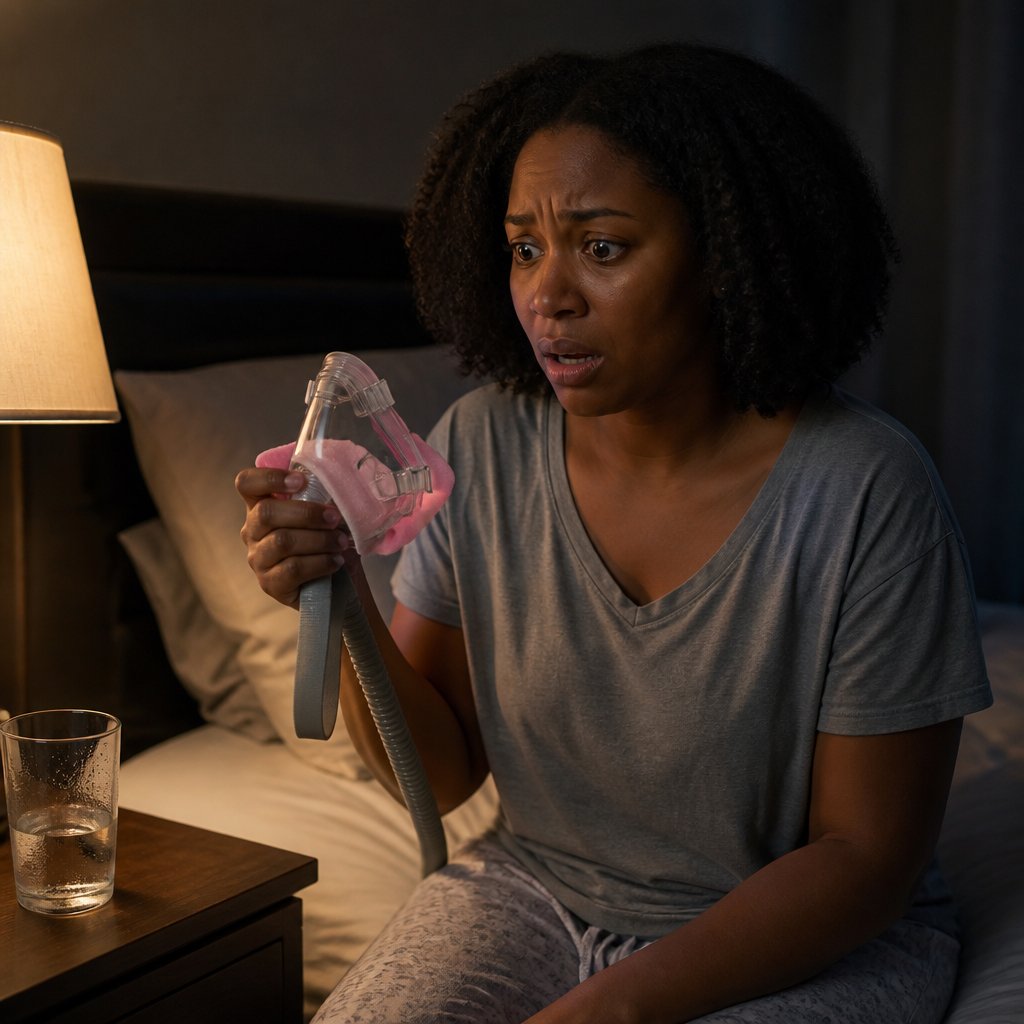
The first night was worse than anything I expected. I woke suddenly, gasping for air, my lungs burning. The CPAP machine was blasting so loud it felt like a leaf blower beside my head. When I pulled off the mask, I saw pink foam bubbling around the edges—the taste was metallic and sharp. I couldn’t tell if the choking was from panic, illness, or if the machine was flooding my lungs. My chest felt tight and sore, like I’d been punched over and over. I sat on the edge of my bed, sweat running down my back, trying to calm my racing heart. The silence of the night outside was deafening after the machine’s roar stopped. I was scared but didn’t want to call the clinic yet. What if it was just anxiety? What if I was overreacting? The taste of that pink foam stayed in my mouth, sticky and strange, making me doubt my own senses. I didn’t sleep again that night, waiting for a second wave—or something worse—but the machine stayed quiet after I unplugged it. I knew I couldn’t go on like this, but I didn’t know what to do next.
ER Doctor’s Question Stuck With Me

I ended up in the ER not long after, my chest tight and burning with every breath. The emergency room was a stark, crowded place with the scent of antiseptic and distant beeping machines. The doctor ordered a CT scan, and when the images came back, she pointed out air trapped where it shouldn’t be. She said the word “barotrauma” like it was a diagnosis and then asked a question that stuck with me: "What machine were you on last night?" The room felt colder suddenly, and I realized they suspected the CPAP had caused my lungs to be injured. I tried to explain the pink foam, the choking, the loud noise, but I felt small and lost among the hospital beds and rushing nurses. The doctor’s gaze was steady and serious as she scribbled notes, but she didn’t seem surprised by the possibility. Part of me was relieved someone was taking it seriously, but another part was terrified of what it meant. My lungs were broken, and whatever had happened while I slept was only beginning to be understood.
Clinic Calls While Still In Gown
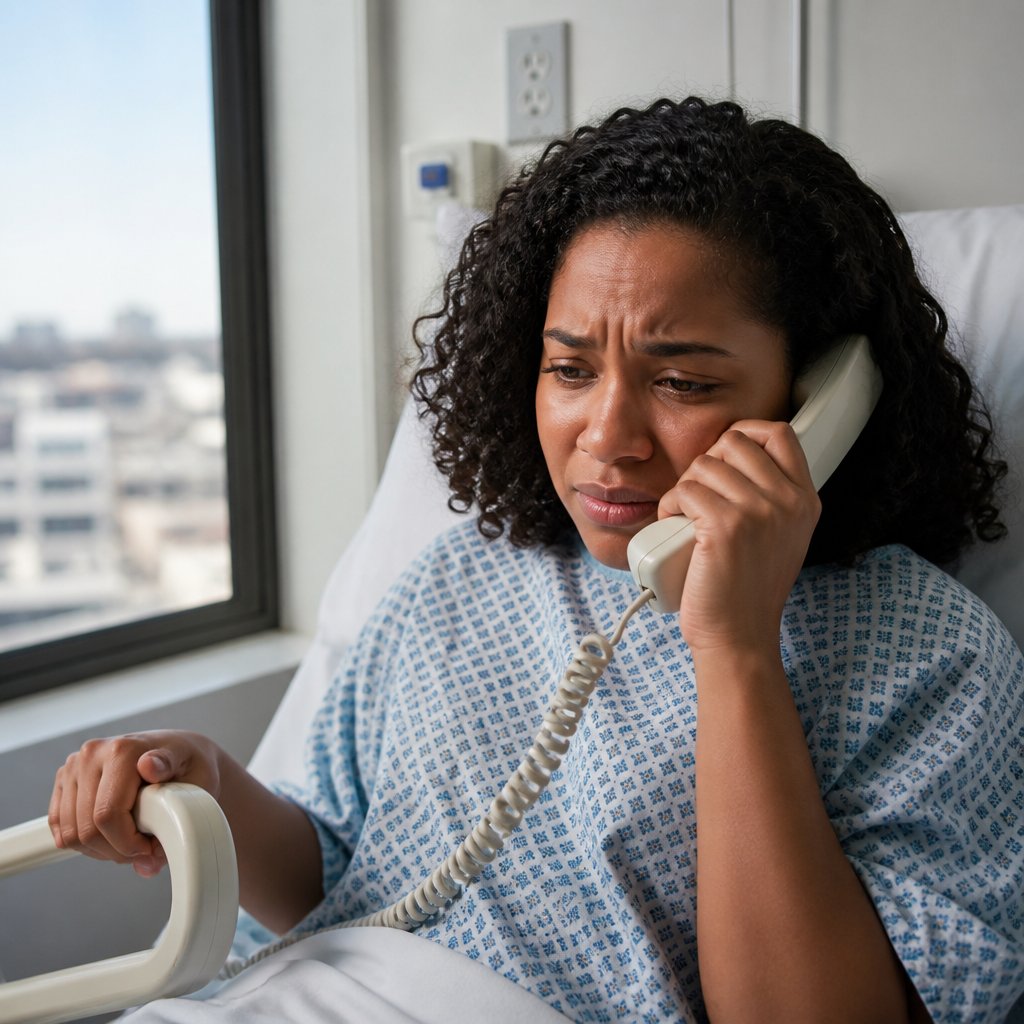
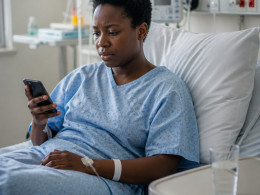
Just days after the ER visit, still wrapped in the thin folds of the hospital gown, the clinic called. The phone rang in my quiet hospital room, piercing the silence. I answered, hoping for answers or support. Instead, the voice on the other end scolded me for "overreacting." They said the injury was my fault, insinuating I didn't use the machine right or was imagining things. They pushed a follow-up appointment weeks away, as if time would make the problem disappear. I clutched the thin hospital blanket tighter, anger and confusion mixing with the residual pain in my chest. Their words felt like a slap when I was already lying broken. The line went dead before I could ask anything else. I stared out the small window near my bed, the city noise faint and distant. How could they dismiss what had just happened to me so easily? The clinics’ coldness didn’t match the fear still pounding in my chest. I didn’t know if I could trust anyone anymore—especially those who were supposed to help me heal.
Insurance Denies Emergency Charges
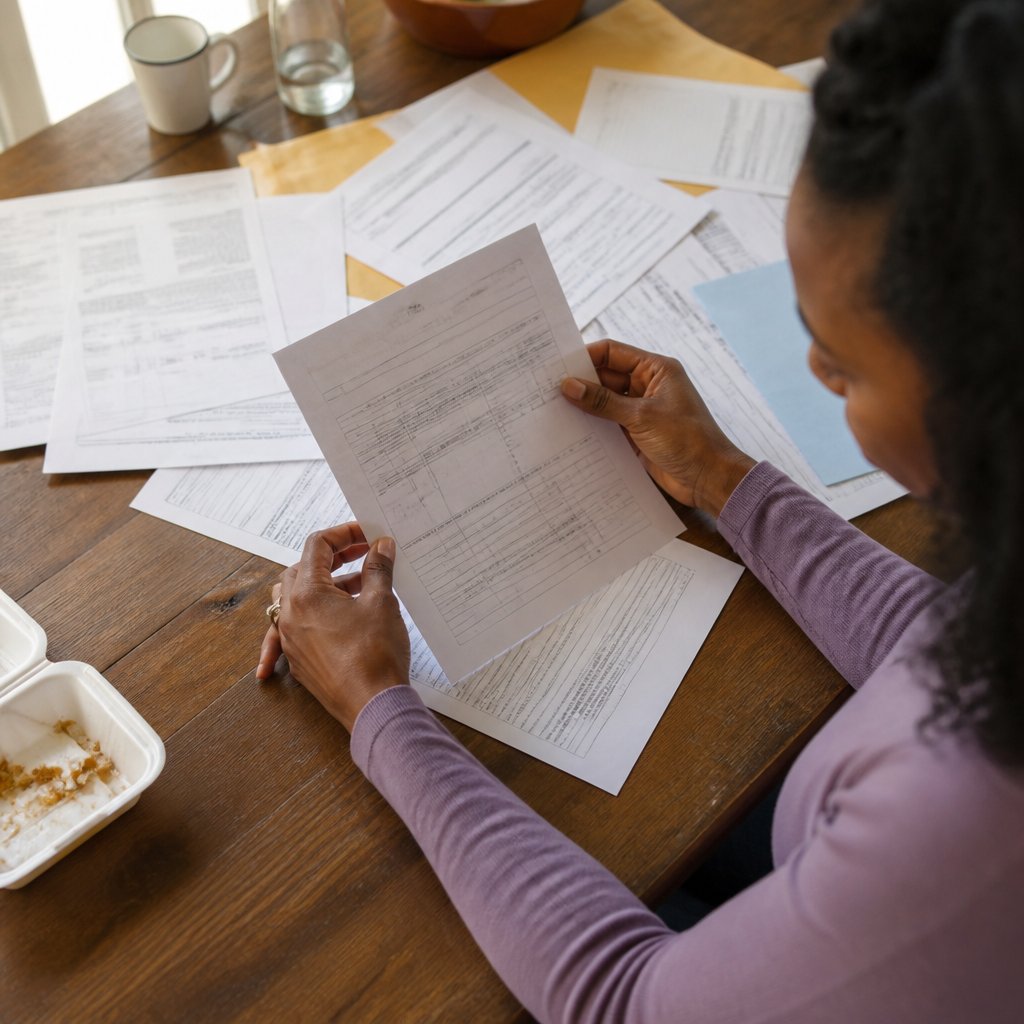
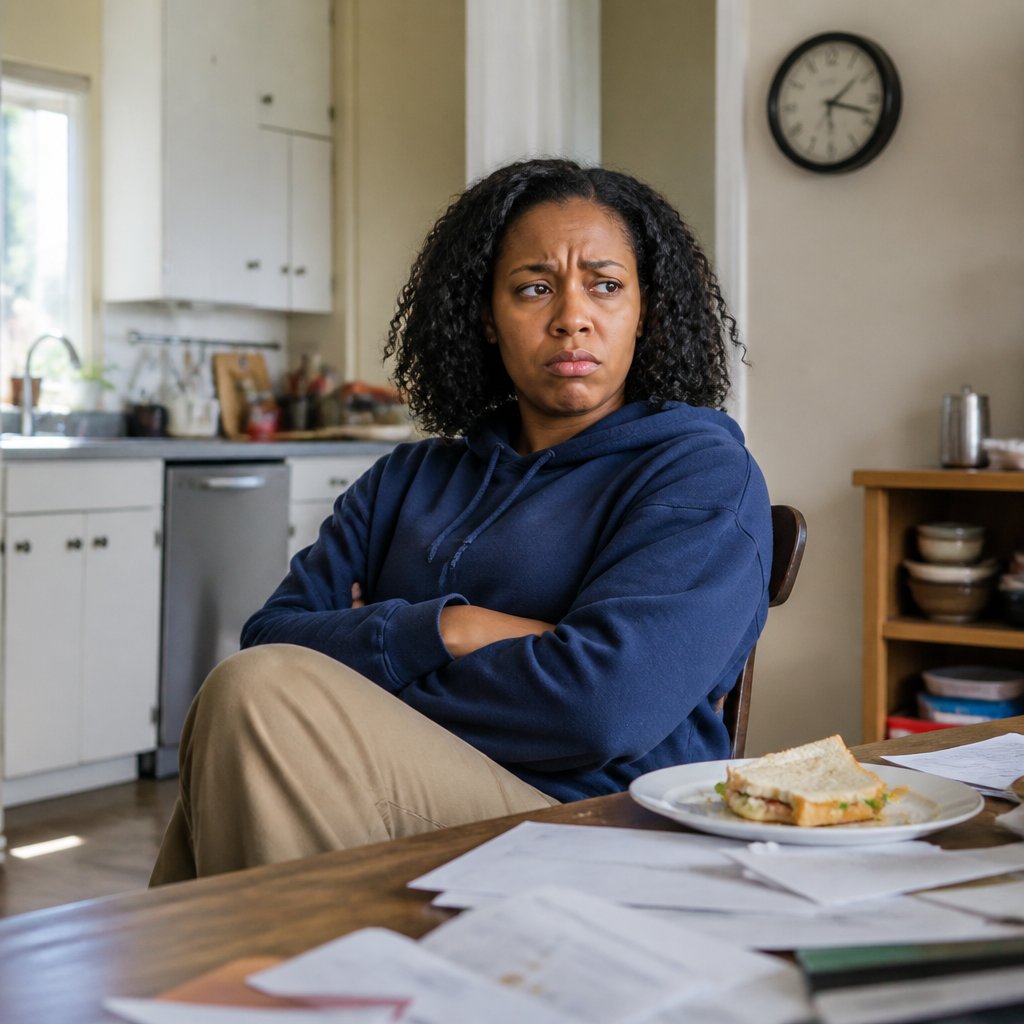
The letters started arriving a few weeks after discharge. I sat at the kitchen table, sorting through the mail, the smell of cold takeout lingering in the air. The insurance company denied coverage for parts of my ER and ICU stay, declaring them "non-emergent." The bills were staggering—numbers I’d never seen before in my life, staring back at me on the paper. Collections calls started coming in, piercing my quiet evenings with threats and demands. The credit card I’d been using for daily expenses suddenly felt like a noose tightening around my neck. I tried calling customer service, but the voices were vague, repeating scripts and offering no real explanations. I felt overwhelmed and alone, the weight of medical debt pressing down harder than any injury. Each letter was a reminder that the financial battle was just beginning. I didn’t even fully understand what had happened to me, and now I had to fight to keep my life from unraveling under the cost. I sat back in my chair, the buzzing hum of the refrigerator loud against the silence, wondering how I’d survive the nights ahead.
Therapist’s Quiet Warning
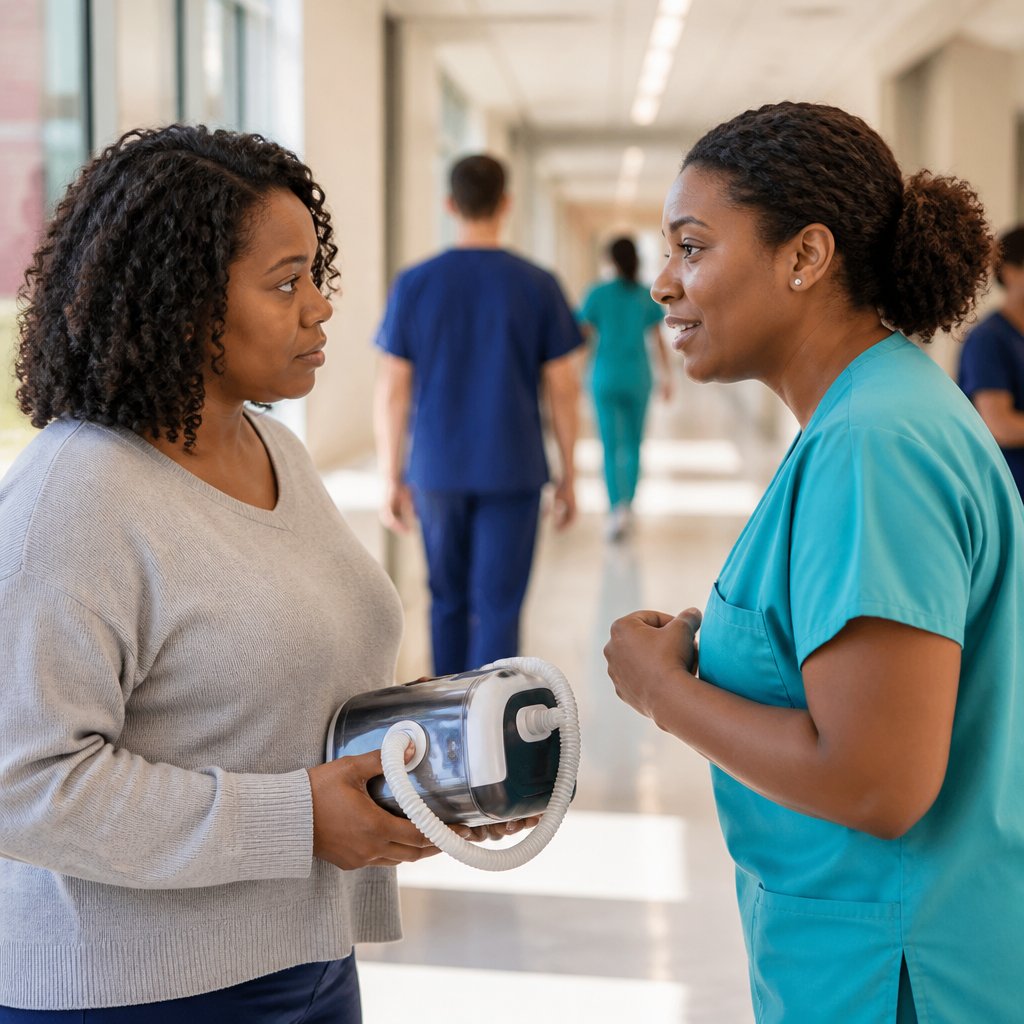
During a follow-up visit, a respiratory therapist caught me alone in the hallway. She was a Black woman in her 40s, dressed in scrubs the color of soft teal, her eyes calm but serious. She leaned in closer and whispered, "Keep the CPAP machine. Don’t give it to anyone. And talk to a lawyer before you do anything." The words were sudden but firm. I felt a chill run down my spine, the polished linoleum floor cold under my shoes. Her warning suggested someone might try to make the device disappear, to hide evidence or shift blame. I nodded silently, clutching the machine like it was the last piece of proof I had left. The clinic staff walked by nearby, oblivious to our exchange. My mind raced with questions: Who could I trust? What was really going on behind the scenes? The machine sat heavy in my hands, and for the first time since this nightmare started, I wondered if I was in more danger than I knew.
Clinic Changes Settings Remotely
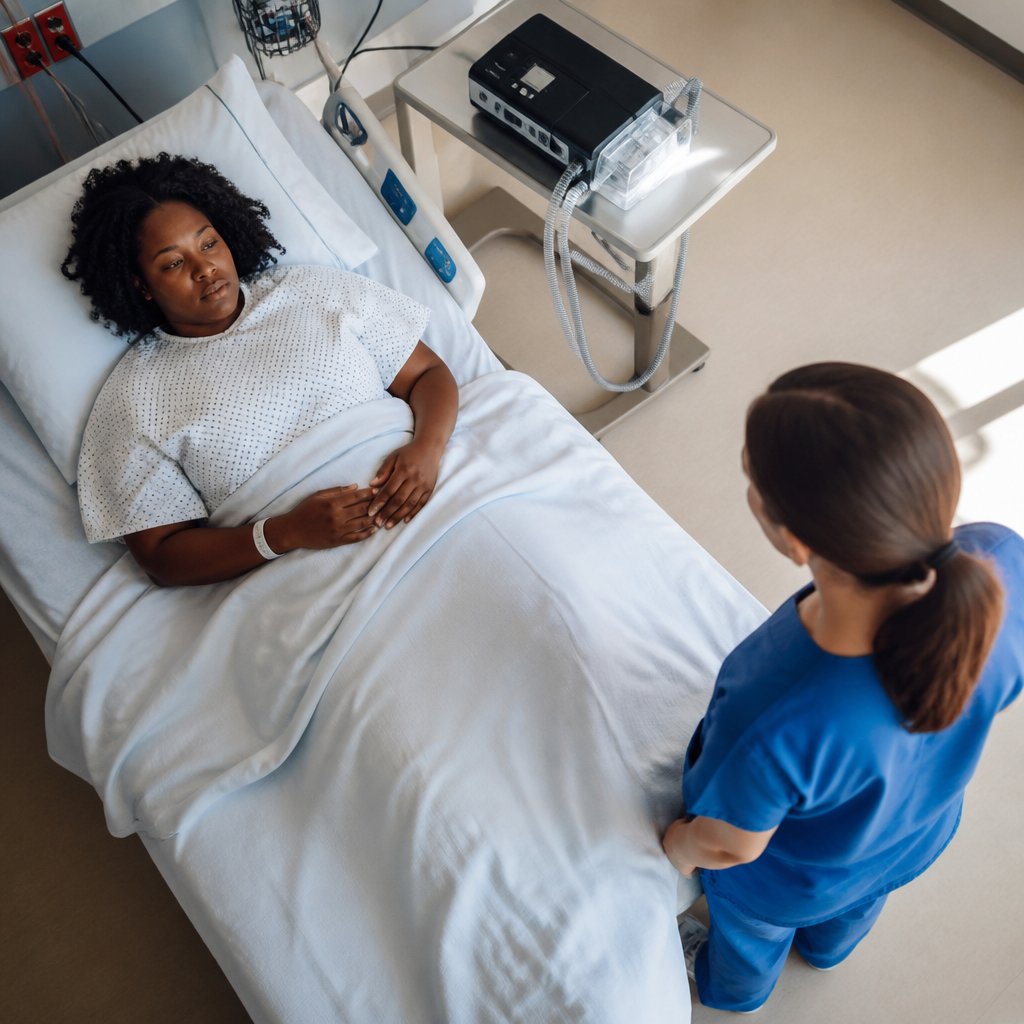
I noticed the CPAP machine’s behavior changed without warning. One morning, the device surged pressure again, just like the first night, forcing me back to the ER with chest pain and breathlessness. The clinic claimed they had "updated settings remotely," but hadn’t told me. I felt trapped, the control slipping away as they held the data and the machine’s secrets. The hospital corridors felt colder the second time around. Nurses eyed me with a mix of sympathy and uncertainty. The clinic’s hold on the device’s information made it impossible to prove what had happened. I watched the glowing buttons on the machine, wondering what pressures it had really delivered while I slept, what pain I’d endured without knowing. This wasn’t an accident anymore, it was a pattern—and they were the only ones who knew the full story. I lay back on the ER bed, the scratchy sheets rough under my skin, and felt the weight of the clinic’s silence bearing down more heavily than any machine ever could.
Work Turns Cold And Distant

Back at work, things started to unravel quickly. I missed shifts because of the pain and hospital visits, and my manager, a white man in his 50s wearing a blazer over a button-down, called me in for a meeting. HR framed it as a "personal issue," suggesting unpaid leave to manage the situation. The small conference room smelled like stale coffee and carpet cleaner. My coworkers avoided eye contact, whispering when they thought I wasn’t looking. The write-up I received felt like a judgment, not support. My credibility was being chipped away while I was still trying to piece my life back together. I stared down at the table, my natural curls pulled back into a loose bun, feeling the weight of isolation in the sterile office. The unfairness stung, but I wasn’t sure how to fight it without risking everything. The questions piled up in my head—had I already lost more than just my health?
Clinic Denies Having Logs
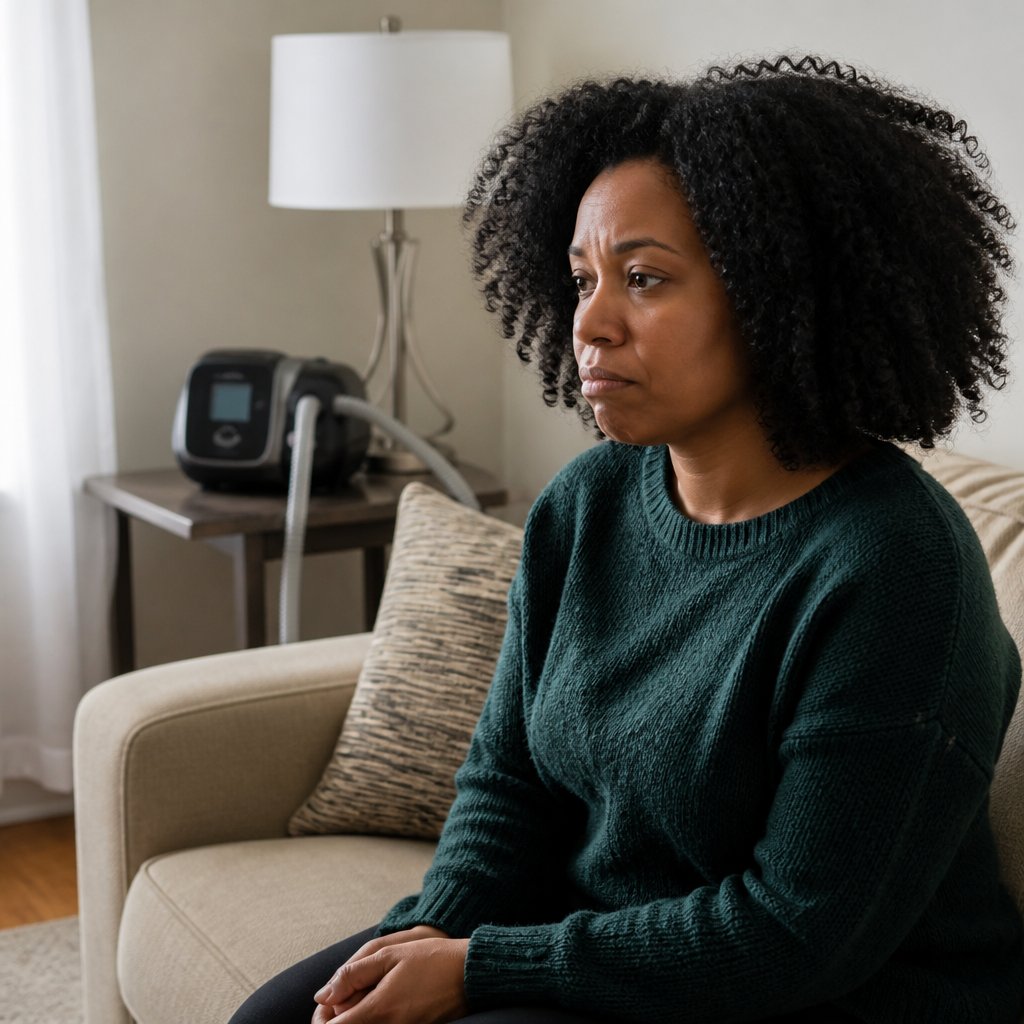
When I asked the clinic for detailed pressure logs from the CPAP machine, they said they didn’t have them. The manufacturer told me only the clinic could access that data. I was caught in the middle, stuck between two organizations passing blame back and forth. The clinic’s portal showed pressure levels that never exceeded safe limits, but my body told a different story. The tightness in my chest, the pain, the nights I couldn’t breathe—they contradicted their digital records. I sat in my living room, the soft hum of the heater filling the quiet space, scrolling through the clinic’s portal on my laptop, the numbers hovering like a lie. I felt invisible, pushed aside by systems that refused to show the truth. If the logs weren’t there, how could I prove what really happened? The fight ahead seemed impossible, but I knew I couldn’t give up. I looked at the CPAP machine sitting in the corner, silent but dangerous, and wondered who was hiding the real story—and why.
An ICU Nurse Reaches Out
I got a text from an ICU nurse who’d heard about two other CPAP blowouts at the same clinic. She didn’t have names or details, just a passing mention while we talked about respiratory care. Hearing that made my gut knot. This wasn’t just me. But with no official reports or records, it was just a whisper. How could I turn that into proof?
The Demand Letter Arrives Cold
I hired a small plaintiff firm to handle the case. They sent the first demand letter to the clinic and manufacturer. The reply came back swiftly, a cold denial: no defect, no negligence, patient misuse. They framed it as if I’d done something wrong, setting the blame narrative before discovery even began. It felt like a wall going up between me and the truth. My lawyer said this was standard, but I wasn’t prepared for how hostile they’d get this early.
Clinic Claims Device Is Lost
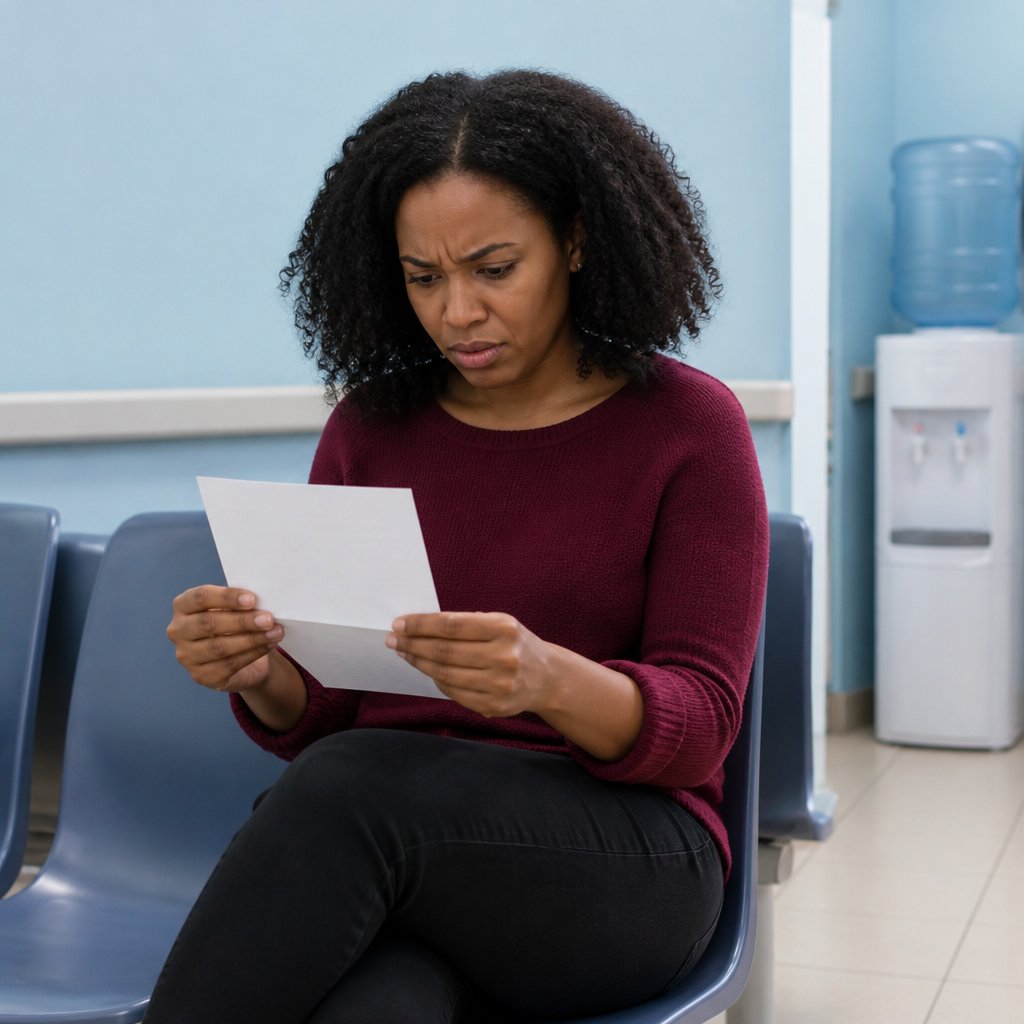
After our attorney issued a spoliation notice demanding preserved evidence, the clinic flipped. They suddenly said the CPAP was returned and refurbished months ago, and now couldn’t be located. Just like that, the physical device vanished right when it mattered most. We asked for tracking logs, storage records, anything. Their answers were vague, defensive. It was as if the machine had been erased from their inventory on purpose.
Signature Page Only Found
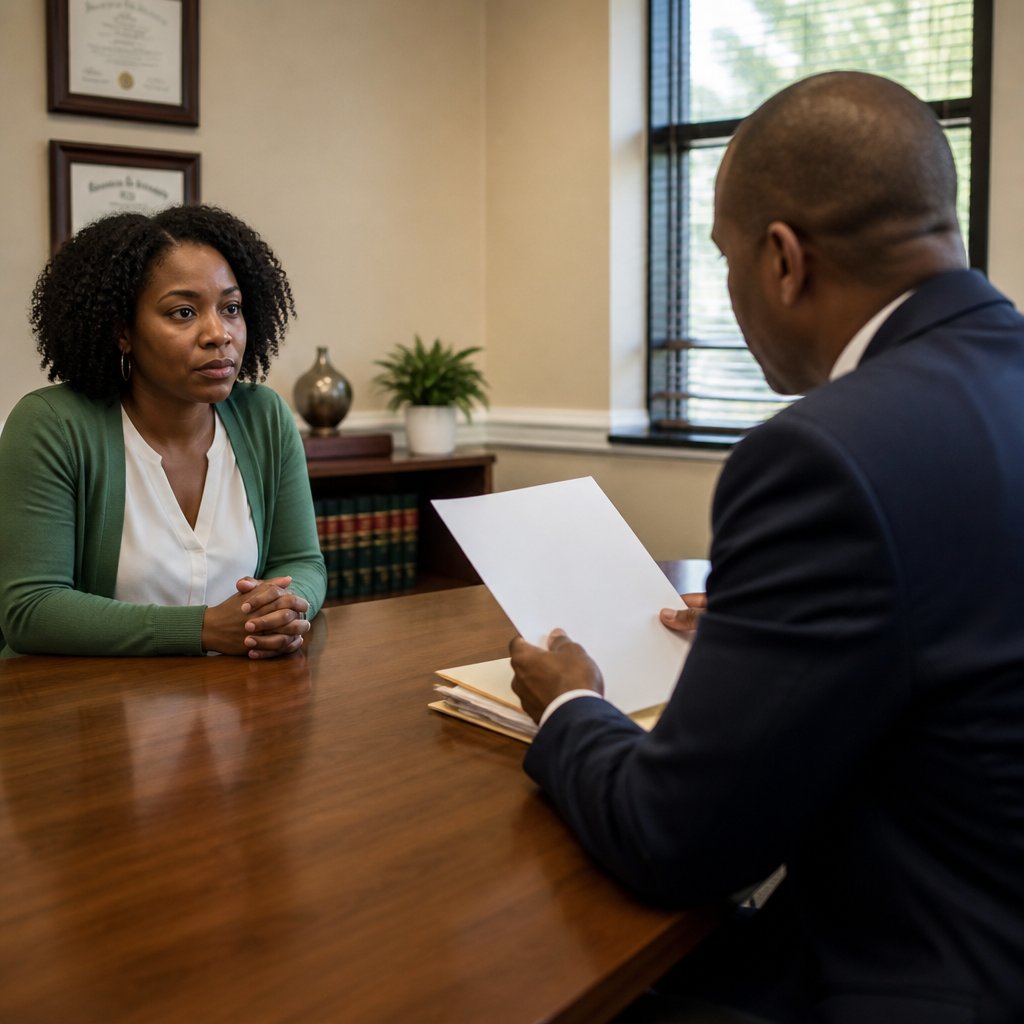
Next, they moved to force arbitration based on paperwork I supposedly signed. During discovery, they produced only a scanned signature page—not the full agreement. Their claim was that it was standard process, that the rest of the contract was irrelevant. If the judge believed them, my case could be dead before it ever really started. We needed to prove it was incomplete or invalid, but with so little to work from, it was a razor’s edge.
Did the judge make the right call on arbitration?