



The Algorithm Became Mandatory

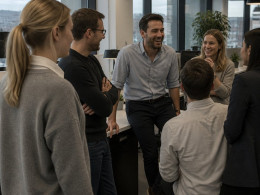
Our team gathered in the cramped break room near the HR office for the announcement. The new AI system was called the Performance Integrity Score. We were told it would objectively track our productive minutes, tone compliance, and overall engagement. The manager handed out forms and lined us up to sign an acknowledgment. It felt less like a choice and more like a rule etched in stone.
The system would monitor everything from call recordings, keystrokes, to badge scans. The idea was that these metrics were untouchable, feeding directly into payroll and performance reviews. Any question about the numbers seemed off-limits. The break room smelled faintly of burnt coffee and stale popcorn while we whispered anxiously about what this new tool might mean for our jobs.
I signed the acknowledgment, feeling a pit in my stomach. The room buzzed with quiet tension, but no one dared challenge the new measure. It was a line drawn in concrete, one that put a number above personal judgment.
Score Dropped After Accommodation

A few days after submitting my ADA accommodation request to HR, I checked my Performance Integrity Score dashboard during a lunch break. The number had dropped sharply overnight. It was jarring, especially since I hadn’t changed anything in my workflow.
The timing felt too precise. Right after disclosing my medical need, the system flagged me. I suspected someone or something was reacting to that disclosure. The smell of microwaved leftovers lingered in the small kitchen area where I stood, a distraction from the unsettling drop on my screen.
I asked a coworker if they’d seen anything similar, but their scores hadn’t shifted. The sense of being singled out gnawed at me. This wasn’t just data — it felt personal and punitive, hidden behind an algorithm’s cold logic.
Manager Claims No Override Power

One afternoon, my manager pulled me into a quiet corner near her office. She unlocked her phone and showed me the performance dashboard. The numbers were stark — low scores in productive minutes and tone compliance.
She explained that she couldn’t override these metrics because the system fed directly into payroll. The implication was clear: there was no human discretion here. The data was king. I felt trapped beneath a number that defined me without recourse.
The faint hum of fluorescent lights buzzed overhead as I processed her words. The small space smelled faintly of old carpet and cleaning chemicals. It was the most concrete explanation I had, but it didn’t ease the weight pressing down on me.
Badge Scans Counted As Misconduct
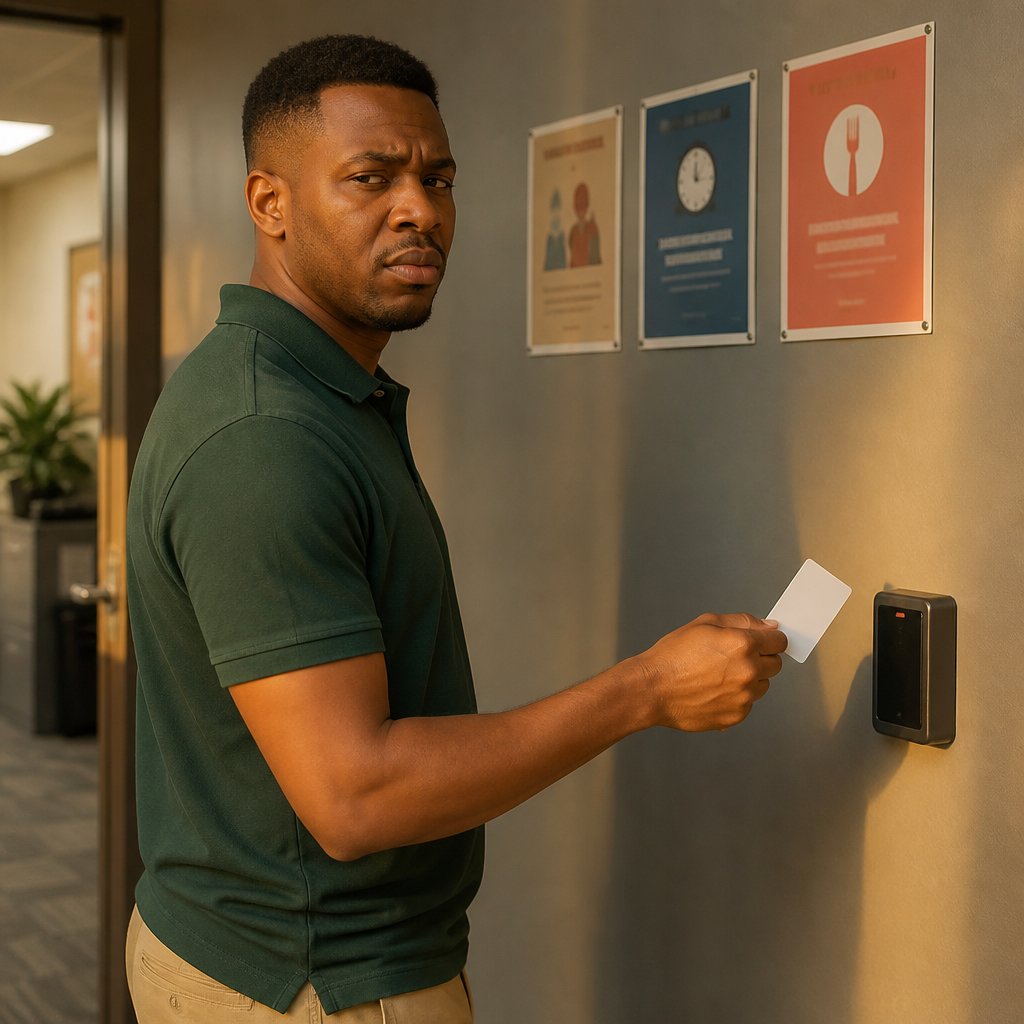
It didn’t take long to notice something odd about the badge scans. The system treated them as "seat time," meaning every time I took a break — even approved for accommodation — it deducted from my productive minutes.
One day, I stepped away for a quick off-desk escalation call, and my score plummeted. The algorithm flagged me for what it called "misconduct." The break room nearby smelled faintly of disinfectant wipes as I tried to understand how sanctioned breaks now counted against me.
I reviewed my badge scan history and saw the pattern. Approved rest and off-desk time were being twisted into infractions. It felt like a trap designed to snare anyone who needed a moment away.
Accidental Email Exposed Labels

A coworker accidentally forwarded me an internal email chain. My name was listed under "Attrition Risk: Medical." The label stung, confirming my worst suspicions that they were tracking and categorizing me behind my back.
The small HR office smelled faintly of fabric softener from the air vents as I read through the email again. I felt exposed and betrayed. This wasn’t just data now — it was a judgment colored by my health status.
Seeing my name in black and white, tied to medical risk, made the algorithm’s cold numbers feel personalized and dangerous. It was proof the system wasn’t impartial; it was weaponized.
HR Rejected Context Discussions

HR Denise slid a printed chart across the desk without a word. The paper showed my performance metrics — the exact data the algorithm used.
She made it clear that context, personal struggles, or accommodation explanations were irrelevant. "This is what the system sees," she said flatly and closed the conversation down. Her office smelled faintly of fresh paper and hand sanitizer.
I tried to explain that breaks and medical needs couldn’t be distilled into numbers alone, but she shut me down. The data was final. There was no room for nuance or human empathy.
AI Penalized Silence On Hold

During a call, I put a client on hold to review policy details. The AI flagged this as "silence," docking my score. The coaching team insisted the tool was more accurate than any human judgment.
The break room where I took the call had a faint smell of bleach and stale coffee grounds. I felt helpless watching the numbers drop for a perfectly reasonable action—pausing to gather information.
Coaching meetings became less about support and more about defending the AI’s infallibility. The system didn’t understand context, only data. And that data was used against me.
Accommodation Paperwork Vanished

I checked the accommodation portal after HR said my paperwork had been received. To my shock, it was gone. I found a ticket history showing it was opened and then closed without my involvement.
The small conference room smelled faintly of lemon cleaner as I scrolled through the portal logs on my phone, realizing no one had actually processed my request. I felt invisible and powerless.
Questions piled up: who closed my ticket? Why? And how was I supposed to get help if the system erased my request?
Write-Up For Fire Alarm Idle

During a fire alarm, everyone evacuated the building. But the AI still tagged me for "excessive idle time." The system didn’t know why I wasn’t at my desk; it just saw the inactivity.
The fresh air outside the building smelled like rain and wet pavement as I stood with coworkers, feeling absurd that the very emergency meant to protect us now threatened my job.
I was written up, a formal reprimand for something out of my control. The algorithm’s reach was relentless, indifferent to real life interruptions.
Webcam Monitored Engagement

The new coaching plan required my webcam to stay on at all times during work hours. The AI began rating "engagement" by measuring my head movements and facial expressions.
I sat in my cubicle wearing a navy sweater and khaki pants, feeling watched beyond reason. The faint hum of the office air conditioning and the rustle of papers filled the space. It was no longer just about productivity—it was about controlling my body.
This expansion of surveillance unsettled me. The algorithm’s scope was growing, and I wasn’t sure how to push back when every glance and nod was being quantified.
Denied Access To My Performance Data
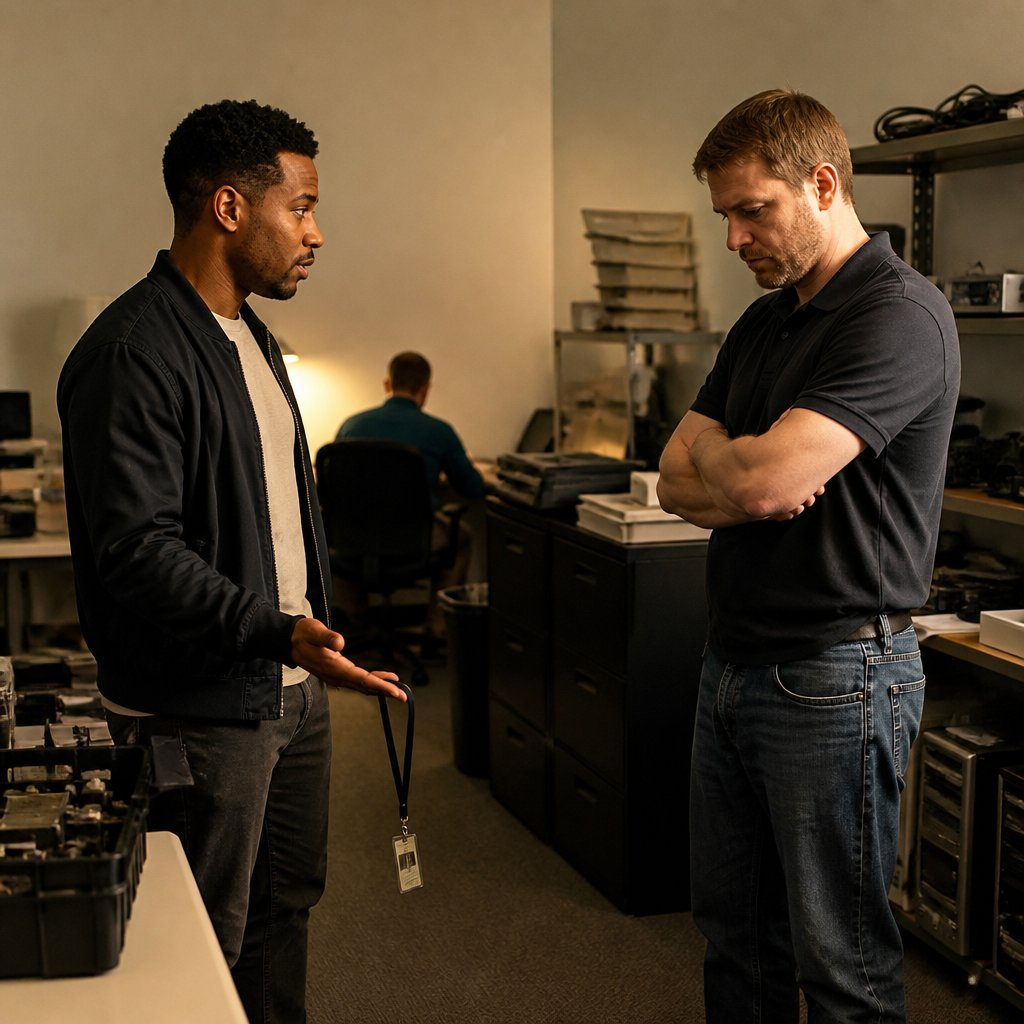
I asked IT for the raw data behind my productivity score, hoping to understand exactly what the algorithm was measuring. The technician shook his head and said the vendor owns the model; it’s “proprietary.” That meant I was blocked from seeing what the AI was basing its judgments on. Without that transparency, I couldn’t defend myself or verify if my accommodation-related breaks or changes in speech patterns were unfairly penalized.
The IT office smelled faintly of stale coffee and cleaning supplies. The fluorescent lights buzzed overhead as I stood there holding my security badge, feeling more powerless than ever. The technician’s polite but firm tone made it clear: this wasn’t negotiable. The algorithm was a black box, and I was on the outside looking in.
Without access to the data, I couldn’t explain why my scores dropped or counter the coaching notes that piled up. I felt like a suspect accused without evidence. What else were they hiding?
Quiet Warning Behind Closed Doors

My manager pulled me aside in the hallway, glancing around before speaking in a low voice. She told me Denise was quietly compiling a list of “people with exceptions,” meaning anyone with accommodations or special cases. The goal, she said, was to get those people off the schedule before open enrollment rolled around.
We stood near the break room, where the hum of the vending machine mixed with muffled conversations. The manager's expression was tense but cautious, as if she didn’t want to be overheard. Her calm words masked something more serious — an unspoken threat looming over me and others with accommodations.
I could feel my heart rate spike. Was this the start of a purge? Would my accommodation finally become the reason I lost my job? The hallway suddenly felt colder, the walls closer, as I realized how precarious my position was.
Tone Flagged As “Agitated” Again

During a routine escalation call with a supervisor, I kept my tone measured, trying to explain a service issue. Later, the AI flagged my voice as “agitated.” HR called me in and said I needed to stop “arguing” with supervisors. They reframed my attempts to advocate for customers as attitude problems.
The HR office smelled like disinfectant and paper file folders. I sat across from a middle-aged Black woman in a patterned blouse who avoided eye contact while reading notes. The tension in the room was thick as I tried to defend myself, but all I heard was that my tone was unacceptable.
It was frustrating and humiliating. I wasn’t arguing; I was doing my job. But the AI’s judgment now dictated how managers treated me. Could I fight an algorithm that labeled me hostile for just speaking up?
Peer Group Excluded My Accommodation
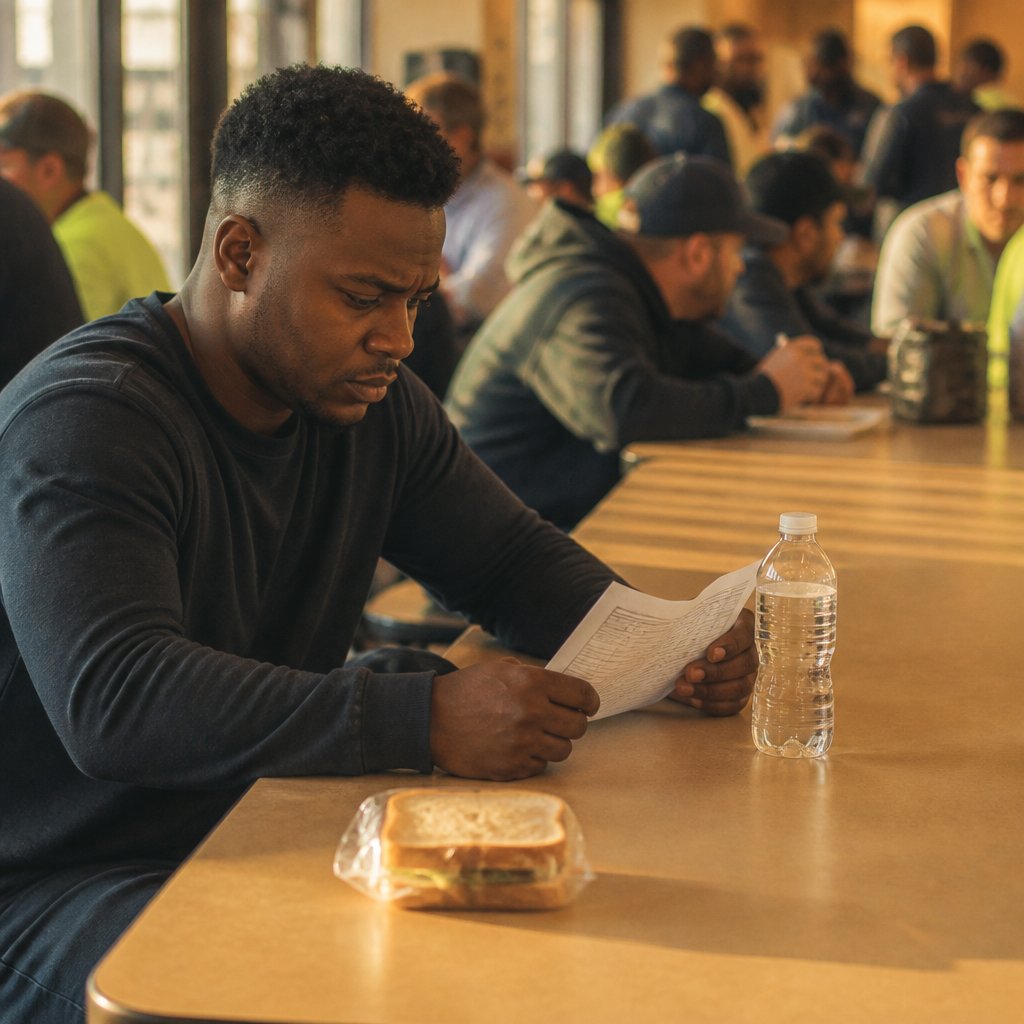
I discovered the AI compared my performance only against a peer group that excluded anyone with accommodations. That meant my productivity numbers looked worse because I was held to a stricter, unadjusted standard.
I sat by myself at the long cafeteria table during lunch, trays of half-eaten sandwiches and plastic water bottles scattered around. The din of chatter and coffee machines filled the air. I stared at the schedule printout in front of me, trying to piece it all together.
The realization hit hard: the system wasn’t neutral. It was designed to make people like me look bad. The entire foundation of fairness crumbled as I wondered how many others were caught in this hidden bias. Was the AI really measuring performance, or just punishing difference?
Check-In Turns Into PIP Meeting

Denise scheduled a quick “check-in” meeting, but the conversation quickly shifted into a Performance Improvement Plan—one that felt premeditated. Right after I asked if the new restrictions on my software tools were tied to my accommodation, my access was cut without explanation.
We sat in the glass conference room that smelled faintly of stale coffee and cleaning spray. Denise, a tall woman with short blonde hair in business casual, spoke evenly but coldly. I wore a blue button-down shirt and slacks, but felt exposed and vulnerable under the unforgiving conference room lights.
The sudden loss of tool access crippled my ability to do my job, making the PIP feel like a trap. I couldn’t tell if the denial was a mistake or part of a coordinated effort to push me out. What was really driving these moves?
Terminated With A Printed Chart

My termination meeting felt automatic, cold. HR handed me a one-page printout from the AI system. It showed a jagged chart of my "productive minutes" declining sharply over weeks. The page highlighted my "tone compliance" dipping below the acceptable threshold. Nothing more — no context, no explanations beyond the graph. I was told this justified the firing, effective immediately.
When I asked about final pay, the HR coordinator said it was delayed because the system flagged me for "unreturned equipment." I had returned everything, but apparently the AI hadn’t updated. It was like the algorithm extended control beyond termination, holding back my pay. I felt powerless as the office security badge stopped working, and all access vanished.
Walking out through the glass lobby doors, I realized this wasn’t just about my job. It was about how the algorithm’s errors and rigid rules could dictate real lives in ways no one seemed willing to question.
Company Claims AI Is Flawless
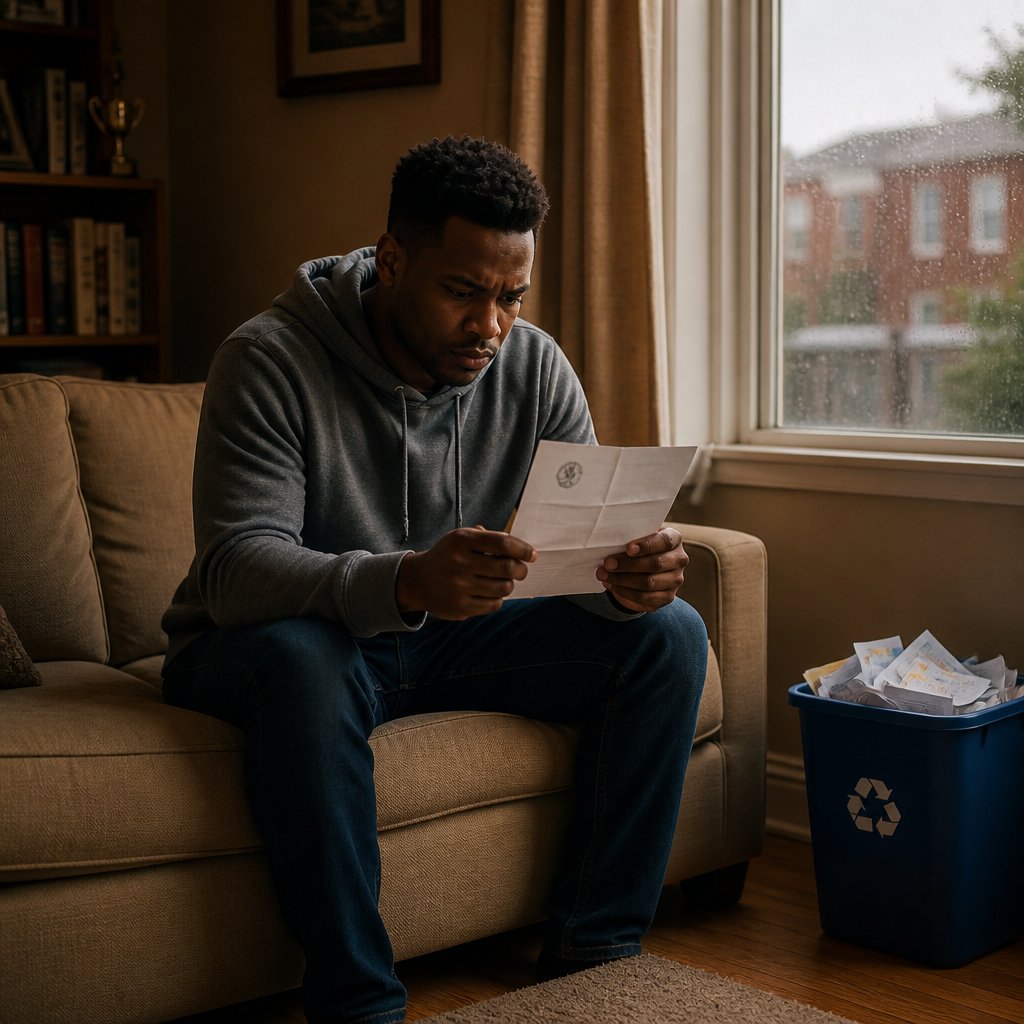
I filed an EEOC charge with detailed descriptions of how the AI’s decisions felt biased and punitive, especially around my accommodation breaks and speech changes. Along with a demand letter, I asked for an independent audit of the system. Weeks later, the company responded with a polished letter that emphasized the AI was "validated and bias-free." They dared me to prove otherwise.
Their letter had corporate letterhead and signatures from executives, making their certainty sound absolute. The AI was presented as an objective, scientific tool. My personal experiences and the discrepancies I pointed out were dismissed as misunderstandings or isolated incidents.
Sitting in my small apartment living room, the weight of their confident refusal hit me hard. They controlled the narrative with data and jargon — but whether I could fight back felt unclear.
Vendor Secrets Block Evidence
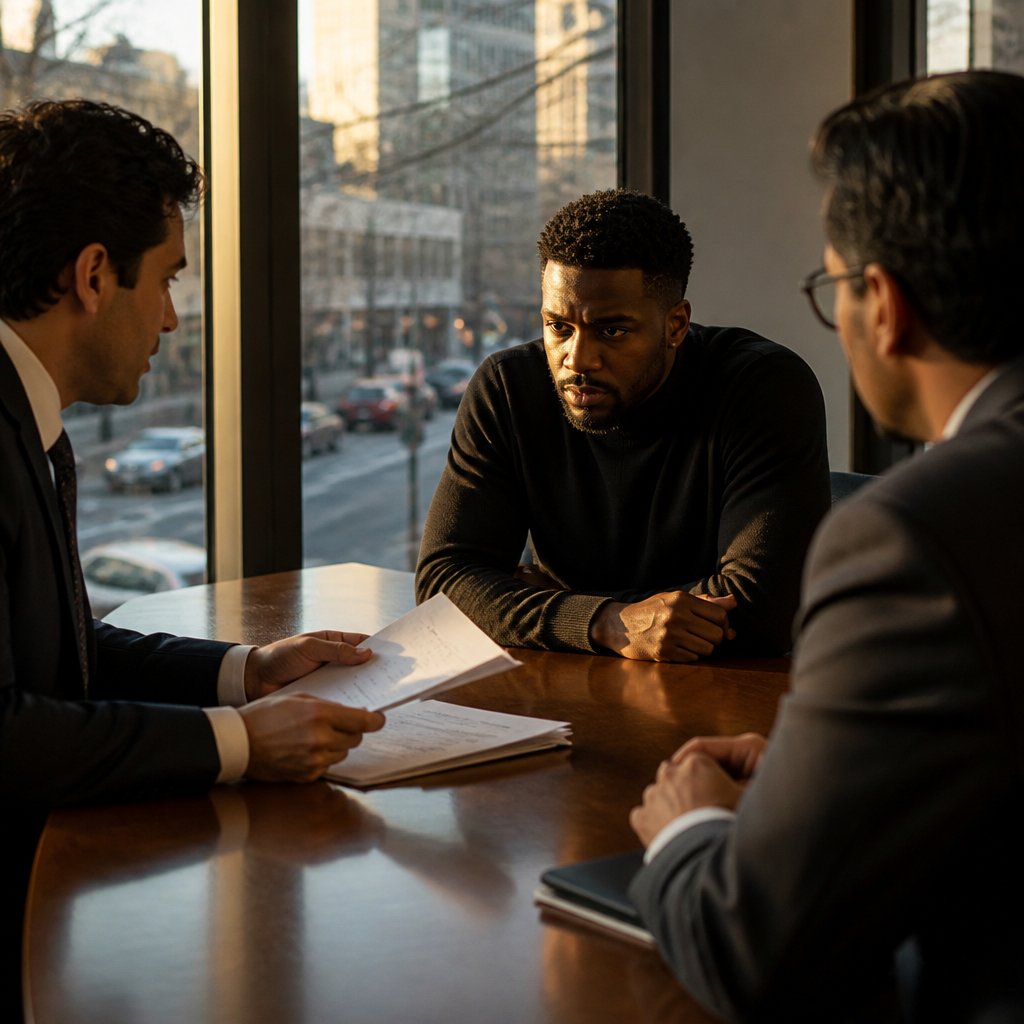
During discovery, the company tried to block access to the AI vendor contract, detailed model documentation, and raw performance data, claiming trade secrets. Their lawyers argued this information was proprietary and confidential, shielding the system from scrutiny.
But as depositions progressed, small inconsistencies appeared. An internal email hinted the model hadn’t been updated since before my medication changes. Another witness suggested the AI struggled with non-standard speech patterns. These cracks fueled hope that the full truth might surface with the next compelled disclosure.
The tension in the courtroom was thick. Opposing counsel eyed the judge and legal team carefully, aware that their carefully built wall of secrecy might soon be breached, but no guarantee yet of what would come next.
Was the AI's scoring system biased against your condition?