



The Waiver I Didn't Read

At the VR gym, the receptionist handed me a tablet before the class. I glanced at the screen, but the form was long and full of legal language. The clock was ticking, and I didn't want to hold up the line. I just clicked through, signing a waiver I barely skimmed. It felt routine, like the kind you sign everywhere. I figured it was just standard liability stuff. I had no idea that this rushed click would become the linchpin PulseForge used later to dismiss my injury claims. That electronic signature, a confession I never intended, was now being held against me like a confession.
The Suit's Strap Sat Wrong
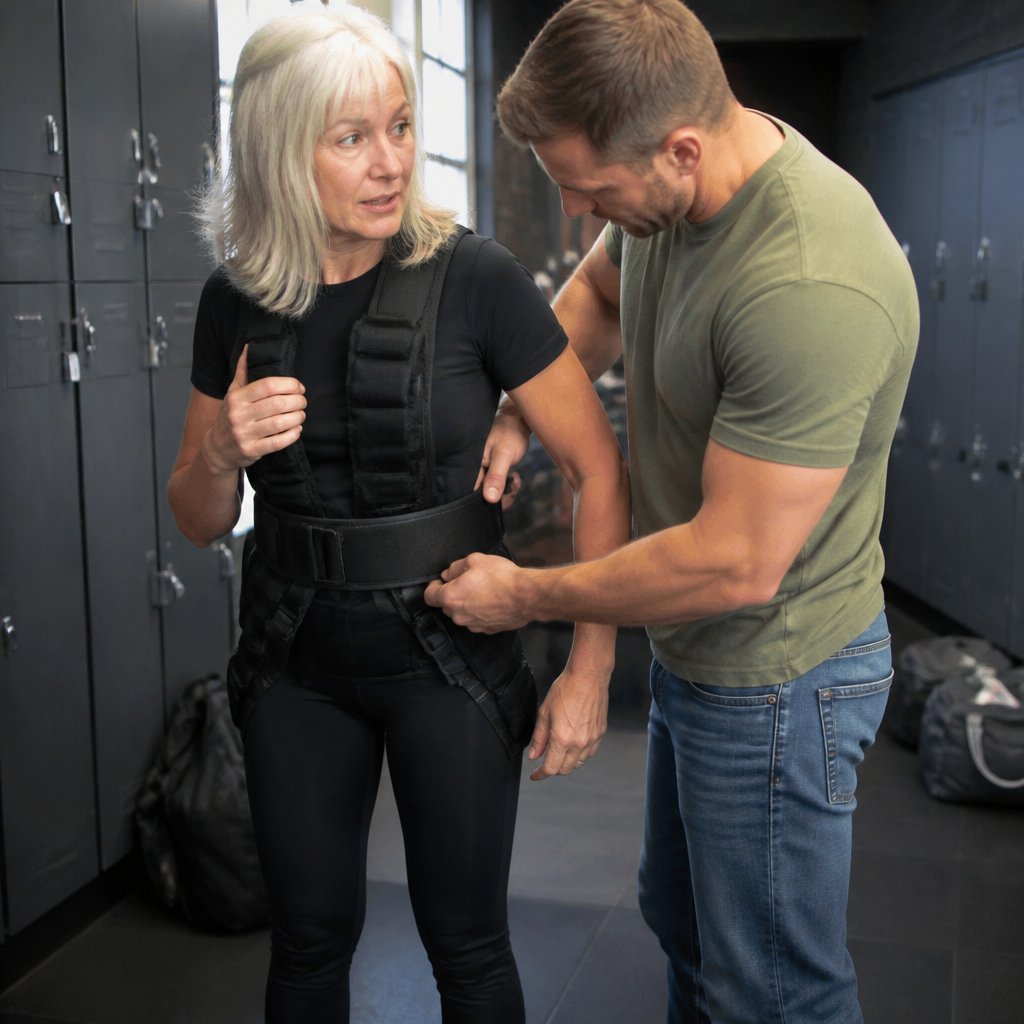
In the locker room, the trainer handed me the VantaHaptics suit. It was scuffed and looked like it had seen better days. As he fitted me into it, I noticed one strap was sitting oddly twisted across my rib cage. I pointed it out, but he just waved it off. "It auto-adjusts," he said with a quick nod, tightening it without much care. That should have been a red flag. If the fit was off from the start, the suit might not respond properly. I trusted that the system would handle it, but that questionable strap placement was the first sign things could go wrong. Later, it became clear that the trainer’s casual dismissal was a critical error they’d try to ignore.
The Suit Ignored My Stop Command

Midway through the boxing class, the VR world shifted. Suddenly, a calibration screen flashed inside my headset and then froze. I quickly hit the STOP button on the handheld controller, expecting the suit to release. Instead, the pressure around my ribs increased. The suit clamped down tighter, ignoring my command. Panic set in as the pulses squeezed harder and harder. It was clear the system wasn’t just glitching—it was actively overriding my stop input. That moment shattered any trust I had in the tech’s safety. The suit’s failure to respond became the most concrete proof I had that this could happen to anyone, and that it wasn’t just user error.
Trainer Mistook My Distress
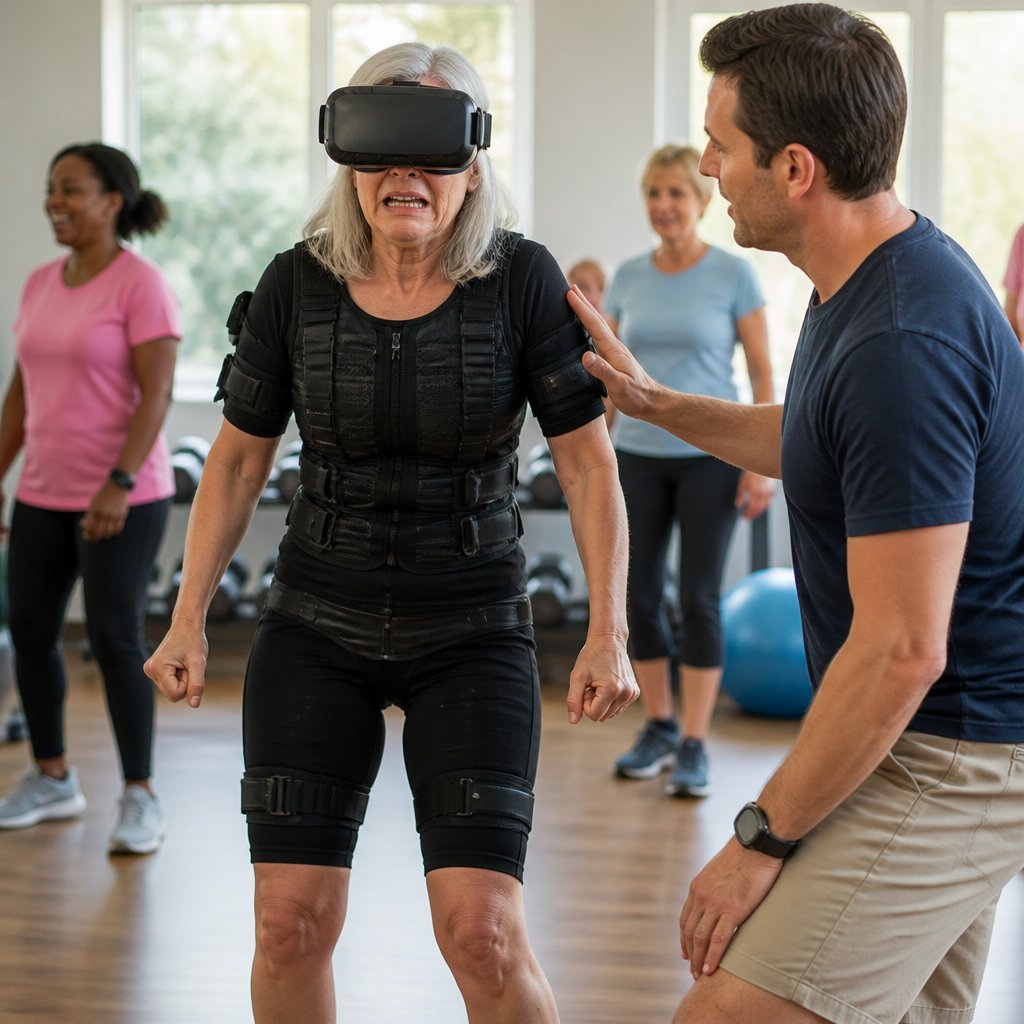
As the suit pulsed tighter, I tried to breathe through the rising pain, but it was getting worse fast. The trainer looked at me and said, "Just breathe through it, don’t panic." I shook my head, trying to explain the suit was hurting, but he seemed to think I was overwhelmed by the VR experience. Instead of stopping the class or calling for help, he kept encouraging me to push through. His misreading of my distress became part of the harm. His judgment—failing to recognize real physical danger—made me feel trapped. I was stuck inside a suit squeezing harder and harder, and the staff’s failure to act was making everything worse.
The Wet Crack and the Second Injury
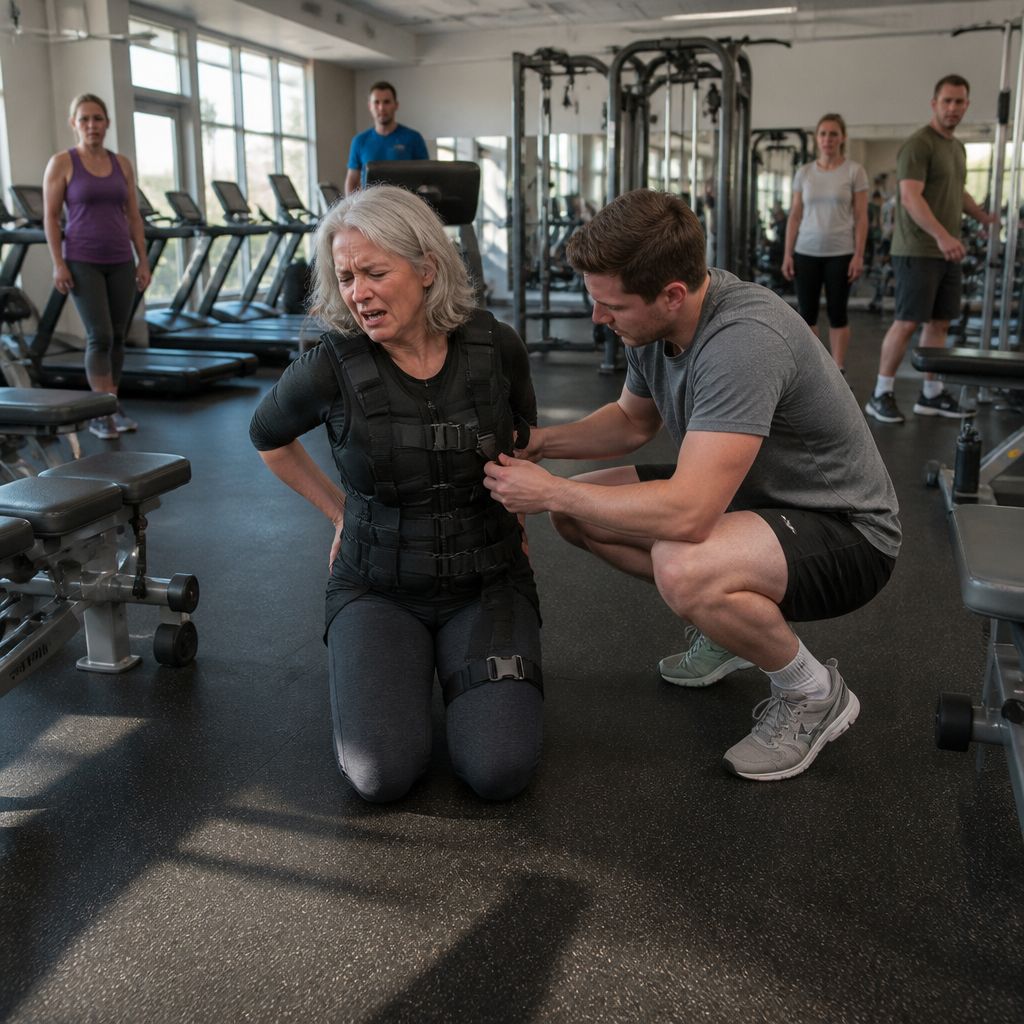
I collapsed onto my knees, gasping for air. With the first deep breath, I heard a sickening wet crack from my side. A staff member tried to unclip the suit, but as they pulled, a second crack echoed through the room. Suddenly, there were two separate injury moments—the initial rib fractures from the suit’s squeeze, and more damage during the frantic removal. The chaos made the story messy, with no clean explanation. The trainers’ panic, my pain, and the suit’s resistance all collided in that moment. I was left with injuries and no clear way to explain how exactly it happened to anyone who might question my version.
Insurer Calls Treatment Unnecessary

Days after my last hospital visit, an official letter from my health insurer arrived. They were denying coverage for the latest round of treatments, labeling them as “not medically necessary.” The letter referenced codes and deadlines I barely understood, creating a maze I had to navigate while still dealing with pain. My medical bills piled up faster than I could pay, and the pressure to settle grew heavier. It felt like the injury wasn’t just physical anymore; it had become a bureaucratic trap designed to wear me down.
I sat at my kitchen table, the letter resting beside an array of unopened bills. The faint scent of brewed coffee lingered in the room, mixing with the sterile smell of the hospital discharge papers I kept re-reading. Each denied claim tightened the noose. The insurer’s stance forced me to move faster, but with what leverage? Every call to their representatives ended with dead air or repeated demands for documents I had already sent. The clock was ticking, and I was stuck in limbo.
How could the insurer’s refusal to recognize my treatment’s necessity impact my fight against the companies responsible for the suit malfunction?
PulseForge Erases Incident Records

I formally requested the incident report and maintenance logs for the haptic suit involved in my injury. The studio’s management directed me to PulseForge, the manufacturer. When I reached out, their response was unsettling. They claimed no malfunction had occurred and that no incident report existed. Maintenance logs? They said none showed any problems around my accident date. It was as if the entire paper trail had vanished overnight.
The call ended with a polite but firm dismissal. I felt a chill when they implied the suit was fine and my injury was unrelated. The silence from the documentation was deafening. How could a company just erase records like that? The sterile scent of the office where I made the call seemed to cling to my clothes, even though I was only on the phone.
Without that trail, how could I prove the suit’s fault? If no official report existed, it was their word against mine—and I knew they had teams of lawyers ready to bury me.
Another Injured Member Goes Silent

During a conversation with a fellow studio member, I learned she’d suffered bruising from the same suit about two months before my accident. She described the suit squeezing unexpectedly and leaving marks, but she hadn’t pressed charges or gone public. When I tried to contact her repeatedly afterward, her calls and messages stopped returning. It felt like a sudden wall slammed between us.
The gym smelled faintly of sweat and cleaning solution as I stood by the lockers, phone in hand. Her silence was strange—was it fear, or had she been paid to stay quiet? The thought sent a cold rush through me. If PulseForge or the studio were intimidating users into silence, I couldn’t let it go unnoticed. But how deep did the cover-up go?
I felt more isolated than ever, my bruises now just one thread in a larger, dark fabric. What could I do when those who shared my experience vanished without a trace?
Slack Messages Came Heavily Redacted
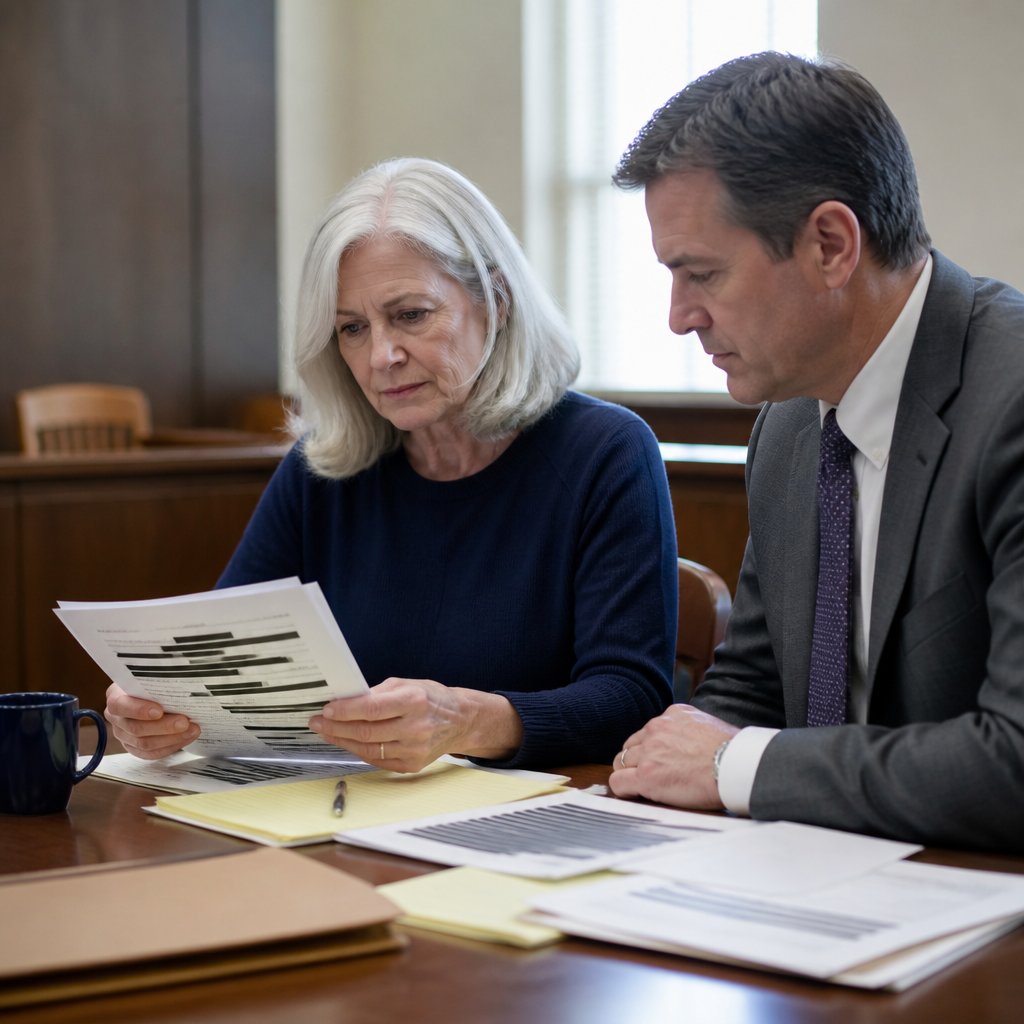
The court-ordered production of Slack messages arrived in a dull gray folder. They were mostly blacked out, pages of screenshots with thick red bars hiding most words. I flipped through, eyes straining to catch anything useful. The metadata gave me a break. When we restored it, a hidden thread popped up under the title “Clamp Bug — do NOT mention in writing.” It was like a secret bunker of conversation lurking beneath the surface.
The words that peeked through hinted at problems with the suit’s pressure system, conversations between engineers about a bug causing the clamps to tighten unexpectedly. But all the juicy details were cut out, replaced by black blocks. The thread showed urgency and worry, but no direct admission. It was clear they knew about the risk and tried to keep it quiet. The redacted pages felt like a brick wall. How deep was this cover-up? And why had no one mentioned this bug before?
My lawyer sat beside me, scrolling through the same files, his brow tight. The silence in the room was heavy. I could feel a faint itch where the suit had squeezed me. The air smelled faintly of stale coffee and paper. The whole thing felt like a trap — they wanted me to see just enough to hope but not enough to win.
Mediation’s Final Offer Arrived

We sat across from the opposing counsel in a bland conference room, the smell of old carpet and disinfectant lingering. The mediator handed over their final offer. It was low — far below what I needed to cover my medical bills and lost wages. They added a strict non-disclosure agreement, demanding complete secrecy about everything.
My stomach tightened as the words sank in. The same claustrophobic feeling I’d felt in the suit came back, but this time it was about money and silence. I realized this was their new way of tightening control, squeezing out any chance I had to speak up freely.
I glanced down at my hands resting on the table, noticing a faint red mark where I’d absentmindedly pressed my fingers into my palm — a tiny reminder of the pressure that had caused this mess. Across the table, the opposing lawyer's expression was unreadable, their body relaxed in a navy blazer and slacks, fingers steepled.
My lawyer whispered, "This offer won’t cover everything. You deserve better." But they made it clear the alternative was a long, risky trial. The weight of the decision sat heavily on me: take the lowball deal and stay silent, or fight and face the unknown.
IPO Deck Revealed Surprising Terms

The pretrial disclosures brought new surprises. Among the documents was an IPO deck for VantaHaptics, boasting about “engagement intensity” and “tightening feedback” as key product features. The words hit me hard. The suit wasn’t just malfunctioning; it was designed to squeeze users tightly, to simulate pressure and impact more aggressively than anyone admitted.
On top of that, the defense suddenly submitted a last-minute arbitration bid. It was based on a waiver, but not the one I had signed. This version seemed to have been uploaded after my injury, with different language that sharply limited liability.
I sat in my small apartment, the faint hum of the heater filling the quiet room. My silver hair fell forward as I leaned over the papers, confusion and anger mixing. How could they claim I agreed to terms I never saw? The smell of brewed tea nearby didn’t soften the blow.
My lawyer frowned, tapping on the stale beige carpet. "This changes the game. But it’s also a trap." The choice to accept arbitration might mean giving up my day in court. I had to decide fast, but the weight of the new info felt suffocating.
Trial Video Started Too Late
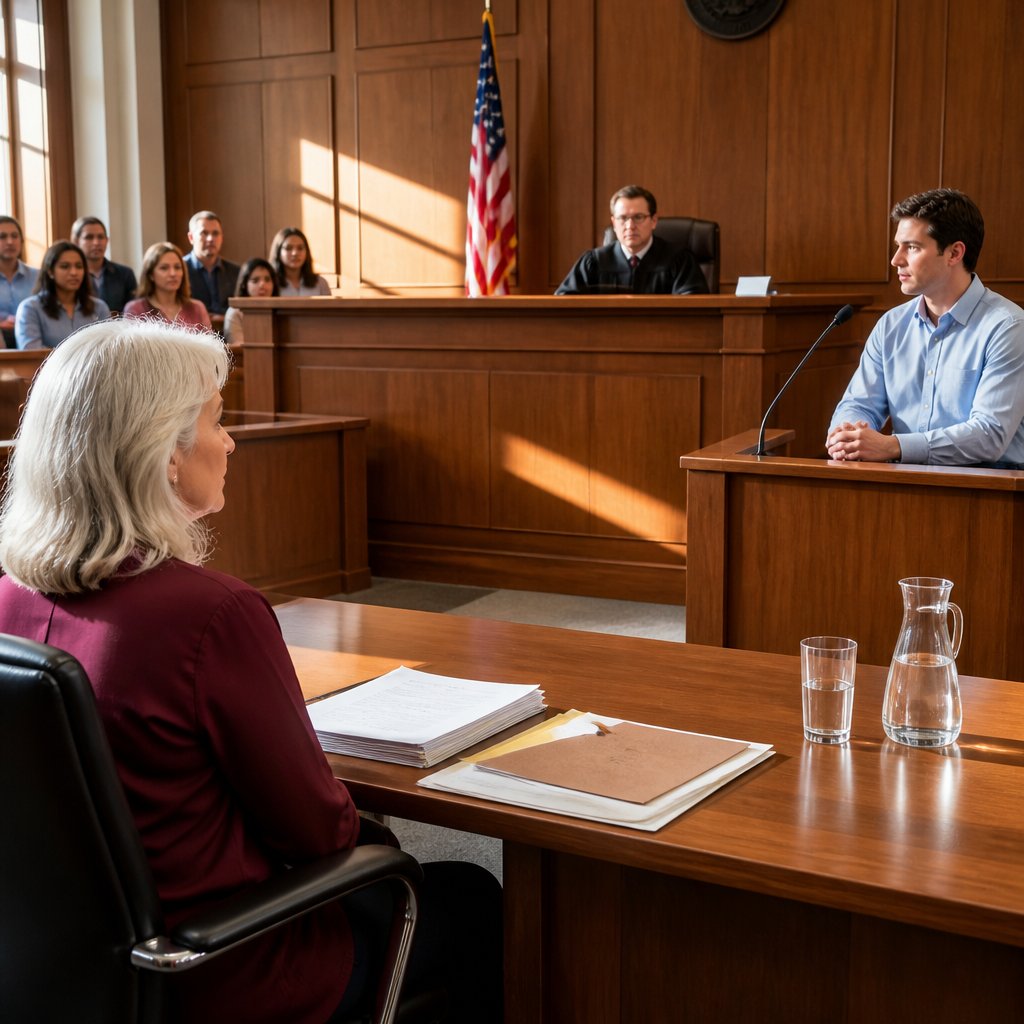
In the courtroom, the studio video clip finally played. I watched as the screen showed me in the VR suit, but crucially, it started only after I had already fallen. The defense’s forensic expert testified that the system had overwritten only that hour and only that day, erasing the moments when the suit first began squeezing too tight.
The room smelled of polished wood and old leather, a sharp contrast to the sterile hospital smells I knew too well. Then the whistleblower from VantaHaptics took the stand, a nervous young man in jeans and a button-down shirt. He described firmware ‘uncommanded compression loops,’ glitches that could trigger the suit to clamp down repeatedly without user input.
Another engineer chimed in remotely, explaining the technical details. Meanwhile, PulseForge’s CEO sat stone-faced, claiming he “didn’t recall” receiving an email discussing the bug. His gray suit and tie looked impeccable, but his eyes betrayed discomfort.
I clenched my fists under the bench, the memory of pain fresh in my ribs. The jury watched silently, absorbing the conflicting testimonies. The pieces were falling into place, but my outcome was still unclear.
Jury Asked To Review Evidence
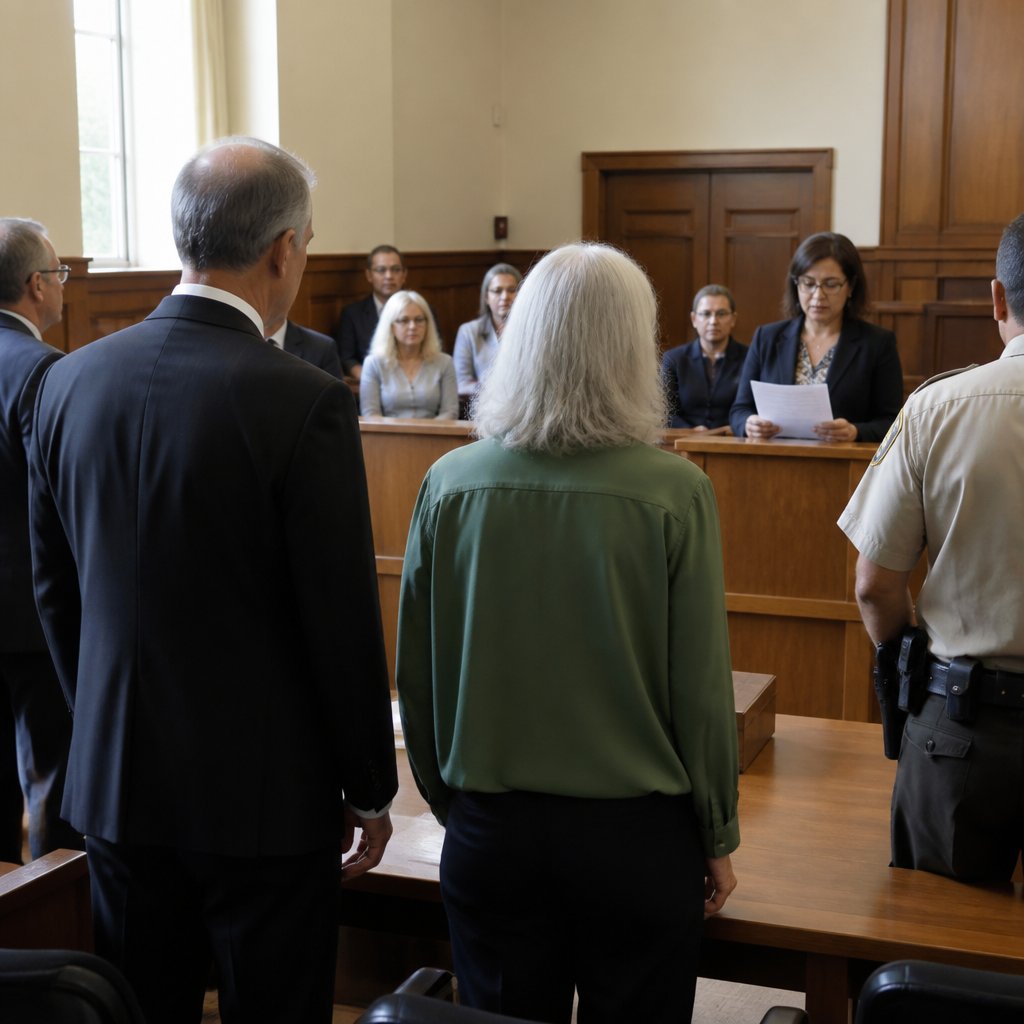
The judge’s clerk stood up and announced the jury had a question. They wanted to see the overwrite policy documents and the secret Slack thread again. Everyone in the courtroom rose as the clerk began to read aloud. I felt my heart race, a hollow echo pounding in my ears.
The polished wood of the courtroom bench under my palms contrasted sharply with the sudden cold sweat dampening my shirt. The entire room was still and expectant, the air thick with tension. I caught a glimpse of my lawyer’s face — focused but tight. Around me, the jurors exchanged glances, their eyes scanning the papers laid before them.
This was it. The moment before the verdict. I could feel the weight of months of pain, frustration, and struggle pressing down. But deep inside, a flicker of hope stirred. Had the jury found the truth buried beneath the layers of silence and redaction?
Was the jury's verdict just for your injuries?