



Petition Vanished From Corkboard
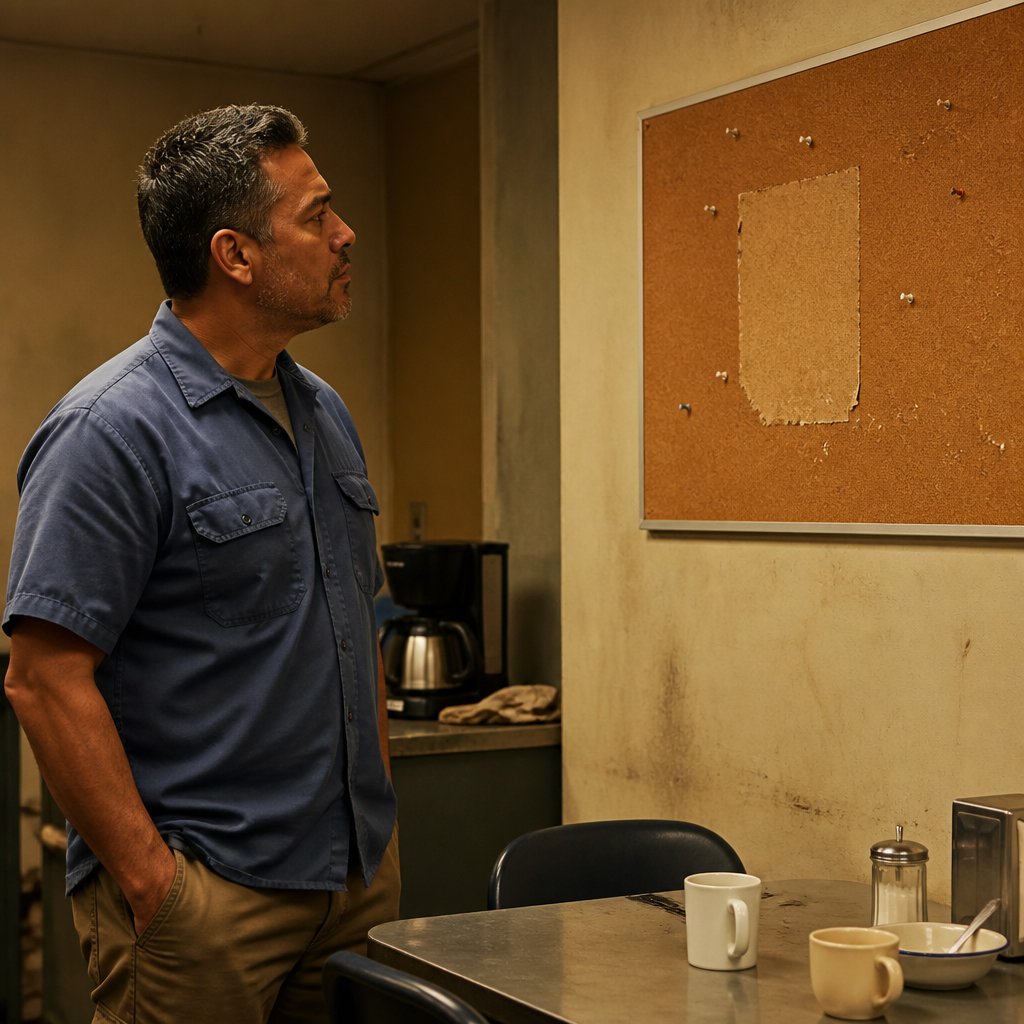
That morning I pinned the heat-break petition on the break room corkboard. It was a simple sheet listing times and days when the heat was unbearable, alongside notes on the recent rate hikes. I expected some pushback, but not for the paper to disappear within an hour. When I checked back, the sheet was gone, leaving only a few thumbtacks behind.
The break room smelled like stale coffee and the faint scent of disinfectant. The fluorescent lights buzzed quietly overhead. I knew management was watching, silently erasing signs of organizing before anyone could gather around it. It was their way of staying ahead, keeping us from building momentum.
That small act of removal felt like a warning. But who had taken it? Was it a supervisor passing through, or maybe someone from security? The disappearance raised questions about how closely they monitored us, and what they’d do next.
Supervisor’s Warning At Pallet Wrappers

Later that day near the pallet wrappers, a supervisor stepped up to me. He was a burly man in his 50s, wearing a high-visibility vest and a faded baseball cap. His tone was low but firm: "Stop talking union on the clock."
It was odd though because right after that, he assigned me to train the new hires on the wrapping machines. The message was mixed. "Don’t stir trouble," he said with a smirk, "but you’re still useful."
The warehouse smelled of cardboard and motor oil. The rumble of wrapping machines filled the air. I could feel eyes watching, like a trap was being set. Was this a chance to prove loyalty or a setup to catch me off guard? The uncertainty hung heavy around the pallets.
Building My Own Records Spreadsheet

I started keeping my own records. Every rate hike announcement, every heat-related shutdown, every complaint made by coworkers—I logged it all in a spreadsheet. The company’s official records felt unreliable, like they could be edited or erased at any moment.
At lunch in the small break room, I pulled out my notebook and added the latest heat incident. The hum of the vending machines and the clink of coffee mugs filled the quiet space. My handwriting was neat, deliberate—this was the only record that wouldn’t just disappear.
Some coworkers noticed what I was doing and asked questions. I had to be careful with what I shared. This documentation could be my strongest evidence, but if management ever got wind of it, it could disappear too. Still, I didn’t want to rely on anyone else’s word anymore.
Walkout Felt Too Easy

We executed the planned ten-minute walkout exactly as we agreed. At the signal, dozens of us stopped work and gathered outside the entrance. The air was hot and still, the smell of asphalt and diesel from idling forklifts hanging low. We chanted quietly but firmly about heat breaks and fair pay.
When the ten minutes were up, we filed back inside without incident. The calm return was almost too smooth, like management let it happen on purpose. I felt uneasy, thinking they might be setting us up to label the walkout illegal later on.
Inside, the warehouse buzzed back to life. Machines whirred, and supervisors watched us carefully. No one said a word about the walkout yet, but the tension was thick. It was clear someone was waiting to make their move.
Badge Suddenly Won’t Scan

At the next break, I went to scan my security badge to exit. The scanner beeped once—then nothing. I tried again. No access. The cold plastic badge in my hand suddenly felt heavier, like it was useless.
I walked to the security desk near the main entrance. The guard looked at me, expression unreadable behind his uniform. Without a word, he directed me to HR. The quiet implication was clear: someone with authority had flipped a switch. It all happened in real time.
The smell of cleaning supplies lingered near the security desk. The hum of the building’s ventilation was steady. I wondered who had made the call—and why I was suddenly locked out of the system.
HR Reviews Footage, Says Little

In the glass-walled HR office, I sat across from two HR reps in crisp, neutral-colored blouses and slacks. They told me they were "reviewing footage" related to the walkout but refused to specify the allegations. The silence stretched, thick and uncomfortable, while the warehouse floor buzzed just outside.
The office smelled faintly of lavender air freshener. Outside, I heard muffled voices and the clacking of pallets being moved. I was trapped inside this clear cube, under watch but with no clear information. It felt like a slow, deliberate stalling tactic.
I pressed for details, but they deflected. Their calm faces betrayed nothing. I was left wondering what exactly they were waiting for, and how much time I had before things would come crashing down.
Terminated For Job Abandonment
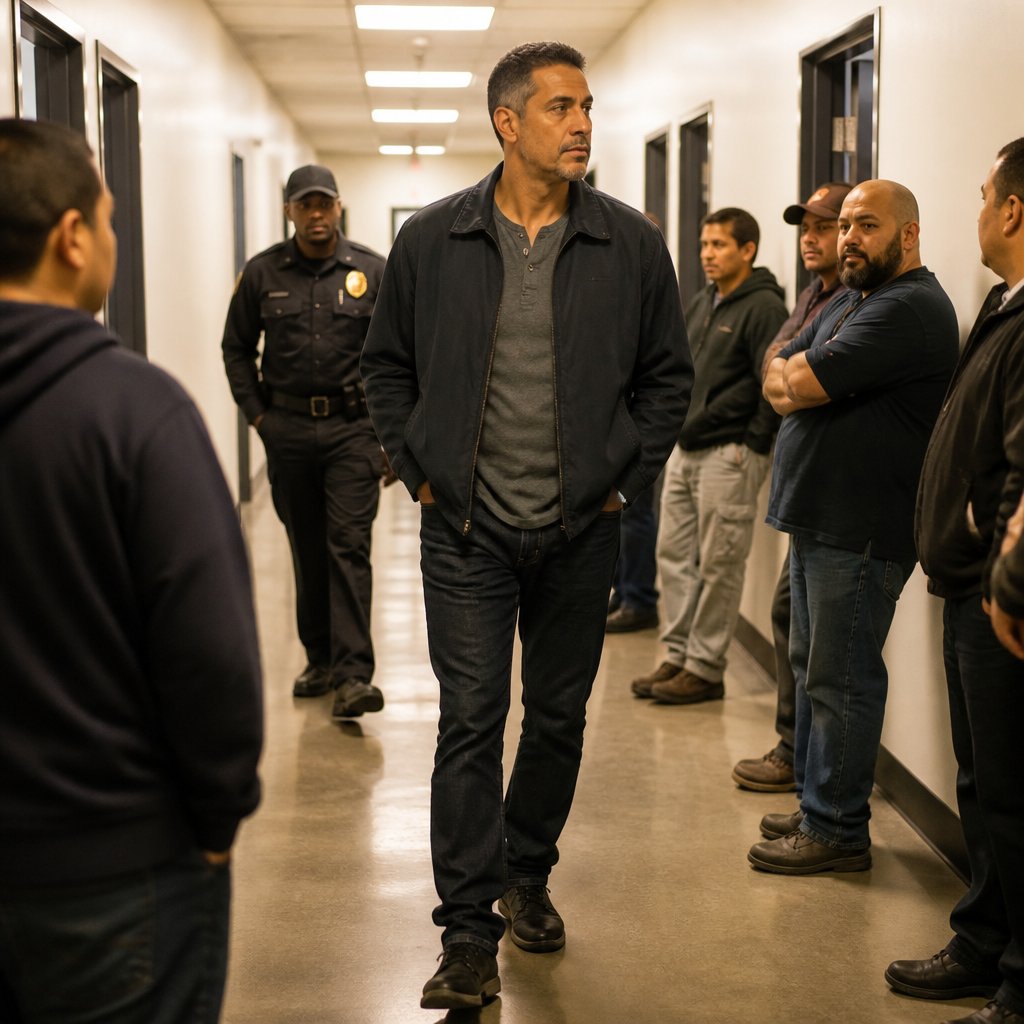
They called me into HR again. This time, the tone was different. They handed me a termination letter citing "job abandonment" and "insubordination." No chance to explain myself.
As I walked out, escorted past my team, I felt their eyes on me—some shocked, some cold. The smell of the hall's industrial cleaner stung my nose. The doors closed behind me, locking in a public narrative they had crafted before I could say a word.
The whole scene felt rehearsed. I was being made the example, the scapegoat. But who actually called security on me? That question gnawed at me as I was led away.
Managers Call Walkout Illegal
After the firing, coworkers started sending me screenshots of manager messages. They called the walkout "illegal" and pointed fingers at me as the ringleader. The language was coordinated and cold.
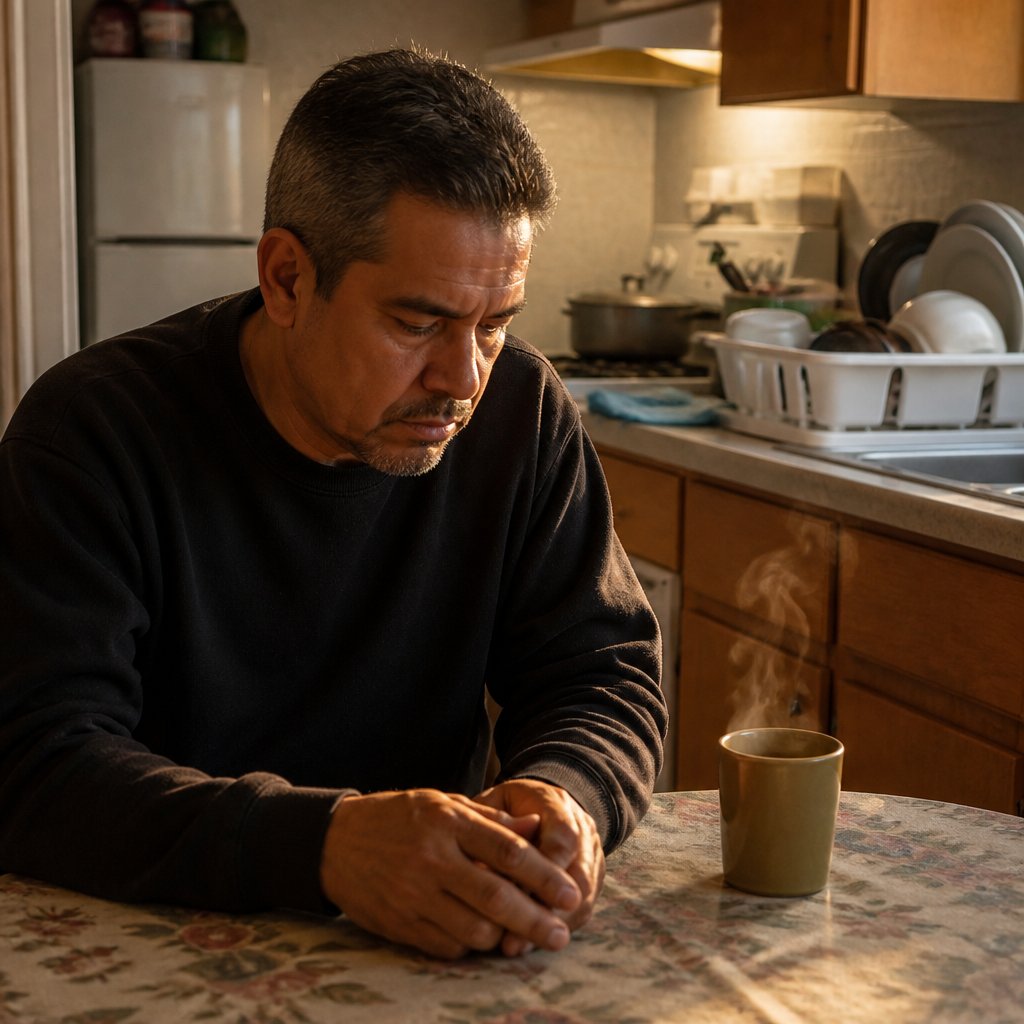
I sat alone in my small apartment kitchen, the metallic clatter of dishes washing in the sink around me. The weight of the messages pressed down. This wasn’t just a local decision anymore; it seemed like orders came from above my site.
Who made this call? I wondered if anyone higher up was pulling the strings, shaping the story to justify their crackdown. It was clear I was caught in a larger battle now.
ULP Filed, Legal War Begins

I filed an unfair labor practice charge and emailed ethics. HR replied with boilerplate language but quietly CCed a corporate labor lawyer I’d never heard of. It was a clear shift from HR handling disputes to legal warfare.
Sitting in the sparse waiting area of a legal aid office, I tapped my fingers on the armrest. The sterile scent of cleaning spray lingered. The shift in tone was unmistakable: this battle wasn’t just about heat breaks anymore; it had turned into a legal war.
I realized I needed to prepare for a fight far beyond the factory floor. But how deep did this go? And what would they do next?
Witnesses Targeted Quietly
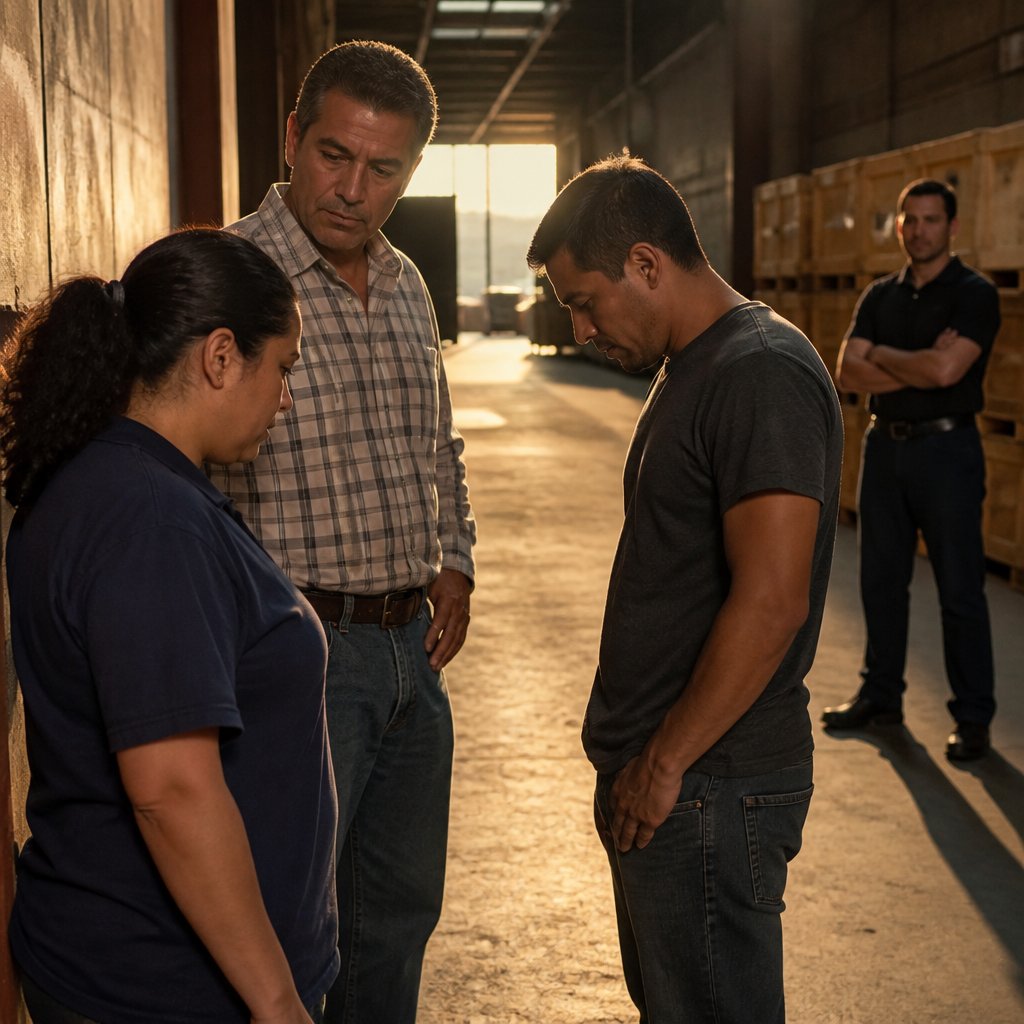
After I filed the charge, the targeting started. One coworker who signed the petition was suddenly written up for wearing headphones during work—a rule everyone seemed to ignore. Another who spoke with security about me went silent.
In the back hallway, the air smelled faintly of machine oil and dust. I heard whispers that security was asking who was "close to" me, trying to isolate witnesses. The fear spread quietly, like a slow poison.
It was a clear message: they were trying to break us one by one. I didn’t know who would be next, or how far they’d go.
HR Claims My Request Is Improper

I asked HR for my personnel file and time records, hoping to find concrete proof to counter the accusations. The request was buried in their usual slow-walk of emails. Days passed without a clear response. When I followed up, I was told my request was “improper” — that these documents weren’t mine to have, or that I needed to go through other channels. It felt like a dare: take me on without the official records, see what you can prove. The HR rep’s tone was cold, like a challenge masked as policy. The office around me was quiet, save for the distant hum of the air conditioning unit in the cramped HR office where I waited for answers that never came. The smell of old coffee lingered on the break room table beside me, the same table where coworkers once gathered to complain about the heat. Without my files, I was blind in the case. Without proof available, how was I supposed to fight back?
IT Badge Logs Suddenly Inaccessible

A friend in IT managed to pull my badge-scan history. The logs showed I never left the building during the so-called abandonment window. It was the proof I needed: the timeline the company claimed was fabricated. I felt a surge of hope holding the printout in the fluorescent-lit break room. But the next day, when I asked IT for more data, I was told that access to all badge logs had been locked down. It was sudden and suspicious. The access control system that usually worked like clockwork was now mysteriously offline for investigations. My friend looked uneasy, avoiding eye contact when I pressed for answers. The noise of clattering dishes and murmured conversations from nearby tables filled the air, but the information I needed was slipping further out of reach. Whatever was happening behind the scenes, the company was covering its tracks, and my badge records were disappearing from view just as I needed them most.
Company Claims New Threat Timeline

The company produced a written statement accusing me of threatening a supervisor. The problem was the timeline didn’t match my saved shift schedule. I compared every detail carefully, the shifts, breaks, and clock-in times carefully recorded in my notebook. The statement described incidents that supposedly happened when I wasn’t even on the floor. It felt like someone was manufacturing a second, scarier reason to justify my firing. I sat quietly in the conference room, the sterile smell of cleaning solution sharp in the air. The supervisor named in the statement hadn’t spoken to me in weeks, yet suddenly I was painted as dangerous. How could they rewrite history like this? The discrepancy was too glaring to ignore. But if the company was falsifying time data, what else was false?
Key Email Disappears From Thread

I found the original heat-break email chain in my personal inbox, but one message was missing from the thread — a gap that only corporate had the power to create. The missing email was crucial, detailing temperature complaints right before the walkout. The absence felt deliberate, like they’d scrubbed the evidence. I sat in my cluttered home office, the faint smell of printer ink and paper in the air. The late afternoon sun filtered through the blinds, casting lines across the desk littered with printouts. My hands hovered over the keyboard, unsure if I still had a case if emails were disappearing. If corporate could delete messages without a trace, what else had they altered? I needed proof the chain was tampered with, but the missing piece left me grasping at shadows.
Termination Notice Draft Predated Walkout
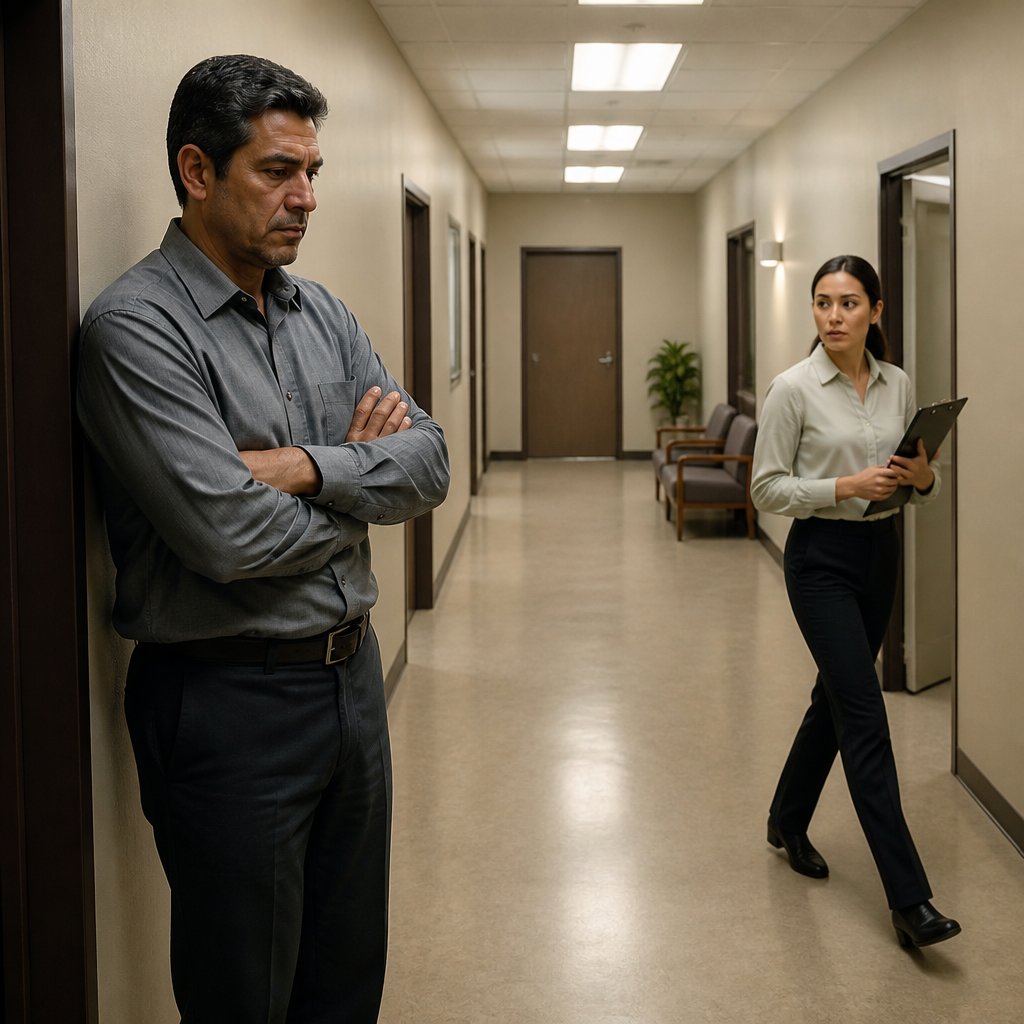
A former HR assistant hinted that my termination notice existed in draft form before the walkout even happened. I hadn’t imagined it — they were preparing to fire me before I spoke up. When my attorney subpoenaed camera footage from that night, the company claimed the cameras were “down for maintenance.” The excuse sounded rehearsed and hollow. I sat in the dim hallway near the HR office, the harsh fluorescent lights buzzing overhead. The faint plastic scent of cleaning supplies lingered nearby. The denial of video evidence sealed another door. Without footage to show my behavior, I was at their mercy. But the HR assistant's words echoed in my head: the firing was planned long before the ‘incident.’ What else were they hiding from the lens?
HR Labels Me A ‘Safety Threat’

During deposition prep, we learned HR had labeled me a ‘safety threat’ in their cross-site system. My attorney obtained an incident report, but the timestamps were clearly edited. Metadata traced the changes back to the operations director’s laptop. I sat in the attorney’s cramped office, the faint smell of stale coffee and paper stacks filling the air. The leather chair creaked under me as I watched the digital timeline flicker on the screen. The evidence was being actively manipulated, and the person behind it was someone in a position of authority. This wasn’t just a firing; it was a campaign to destroy my reputation. If the report had been doctored, what else had the company altered to justify their version of events?
Settlement Offer Comes With NDA

The company offered a small settlement in exchange for a strict nondisclosure agreement. My attorney explained the fine print: I would have to give up speaking about any part of the case. I refused. Soon after, they escalated by seeking a restraining order against me over ‘harassment’ emails I never sent. The accusation was baseless, but it was their way of turning my defense into a new allegation. I sat in the sterile waiting room at the legal clinic, the faint scent of disinfectant in the air. The chairs around me were empty, and the only sound was the low hum of the ventilation system. The weight of the false claim pressed down like a physical barrier. I had stood my ground, but the company was shifting tactics. How far would they go?
Anonymous Emails Trace Back To Warehouse
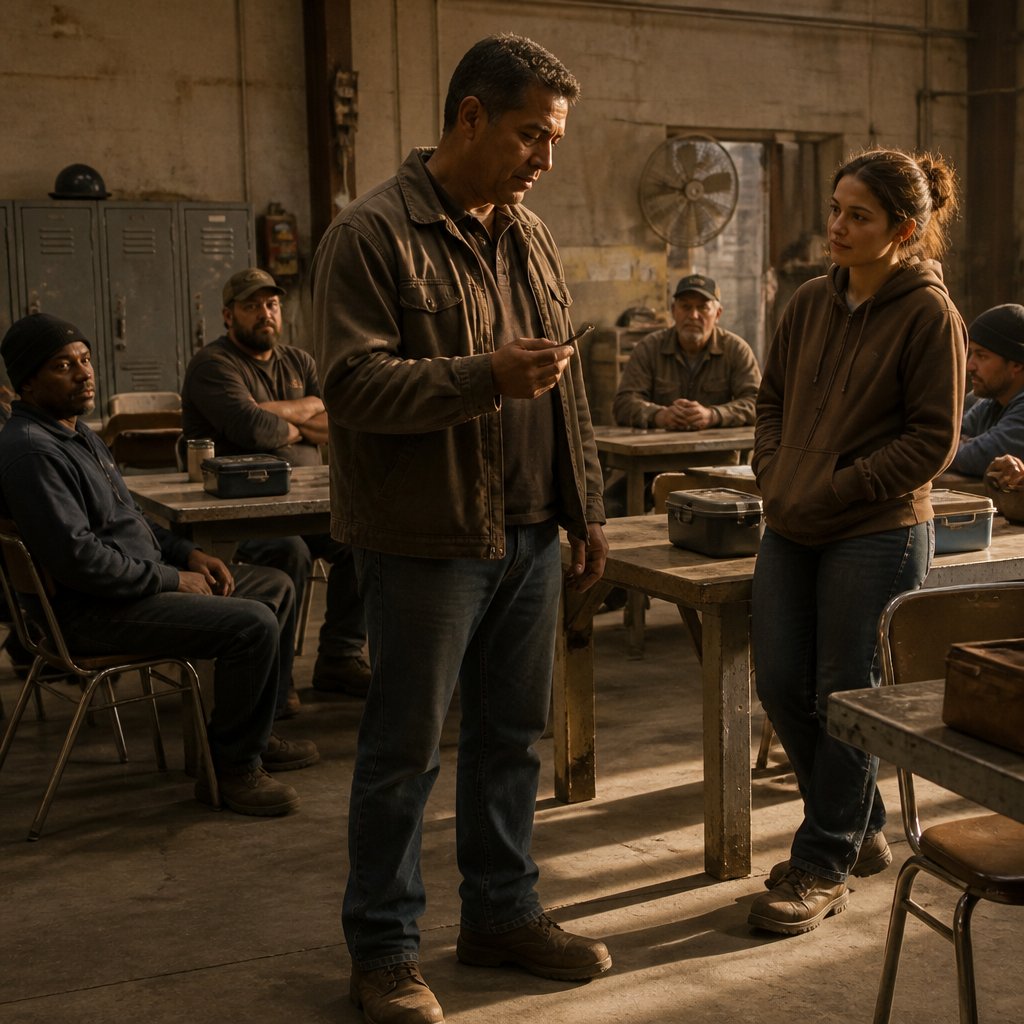
We traced the anonymous harassment emails to a shared kiosk IP inside the warehouse, right where I had my termination meeting. A coworker who had been silent until now dropped a flash drive containing exported chat logs. They showed HR had instructed supervisors to document me as a ‘problem’ weeks before my firing. At the same time, the company announced a ‘system migration’ that could wipe all data despite a preservation order. I held the flash drive tightly in the warehouse’s break room, the smell of machine oil and cold concrete thick in the air. The tension was palpable as I realized the company was trying to erase the digital trail. My evidence was hanging by a thread, and the clock was ticking. If the data vanished, so would my case.
Should the company's actions be legally challenged?