


The Storm Brought An Offer
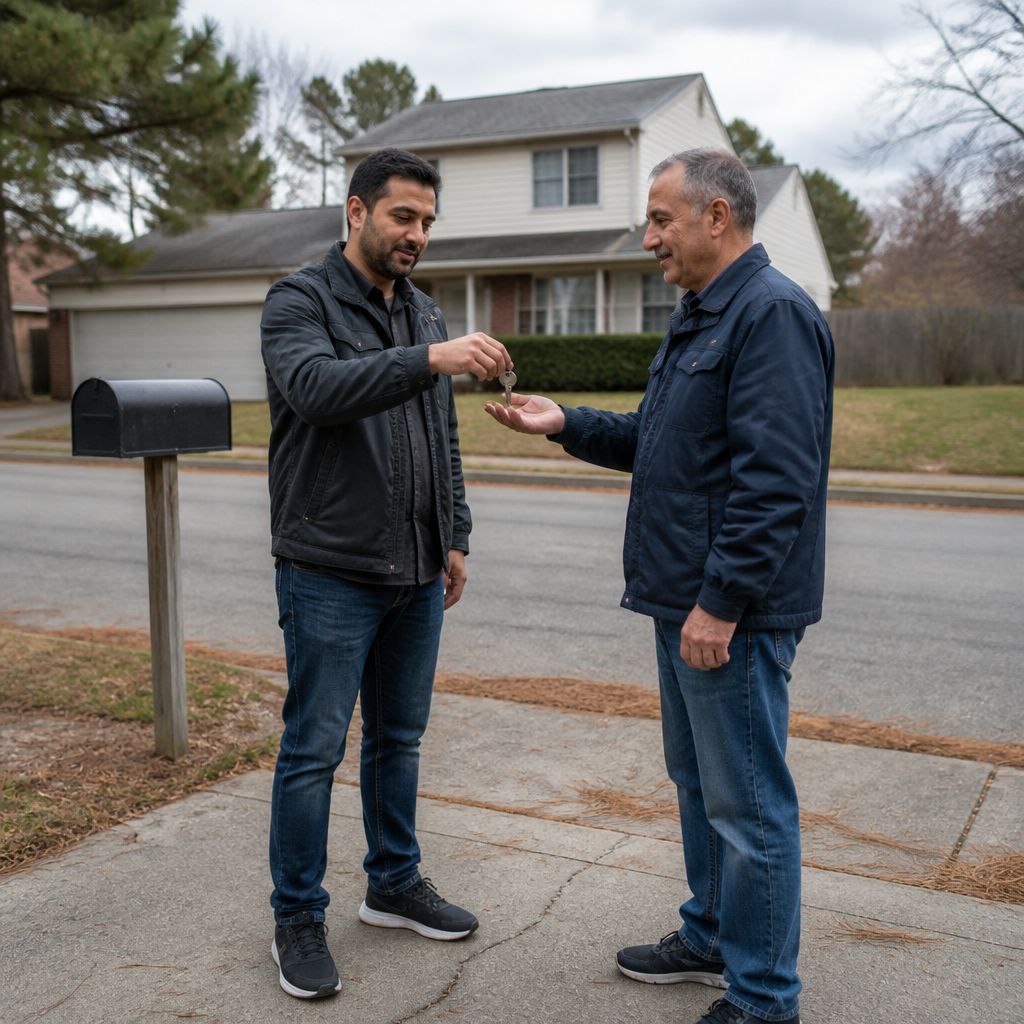
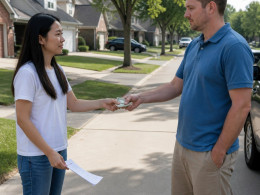
After the windstorm knocked branches down all over the street, I decided to check on my property. Glenn, my neighbor, was outside his house wearing a windbreaker and standing by his pickup truck. I mentioned that I wanted to grab a package from my mailbox at the end of my driveway. The door to my house was locked tight, and I didn’t want to leave the package unattended if the mail carrier came later. I found my house key inside and, on a whim, handed it to Glenn, saying, “Here, just in case you see the mail or a package and want to bring it inside.”
He took the key and said he’d keep it safe, promising to return it as soon as possible. It felt like a neighborly gesture given the storm’s intensity and the slow pace of mail delivery on storm days. I didn’t think much of it at the time — I was more focused on making sure the yard had no dangerous debris and that the house was fine.
The key exchange happened right near the property line, with the cracked concrete mailbox pad visible in the frame. I remember the smell of wet pine needles lingering in the air, mixed with the faint dust of dirt from the yard. That moment created the first opening for Glenn to later claim he had my consent to access my property.
The Mystery Charge Appeared
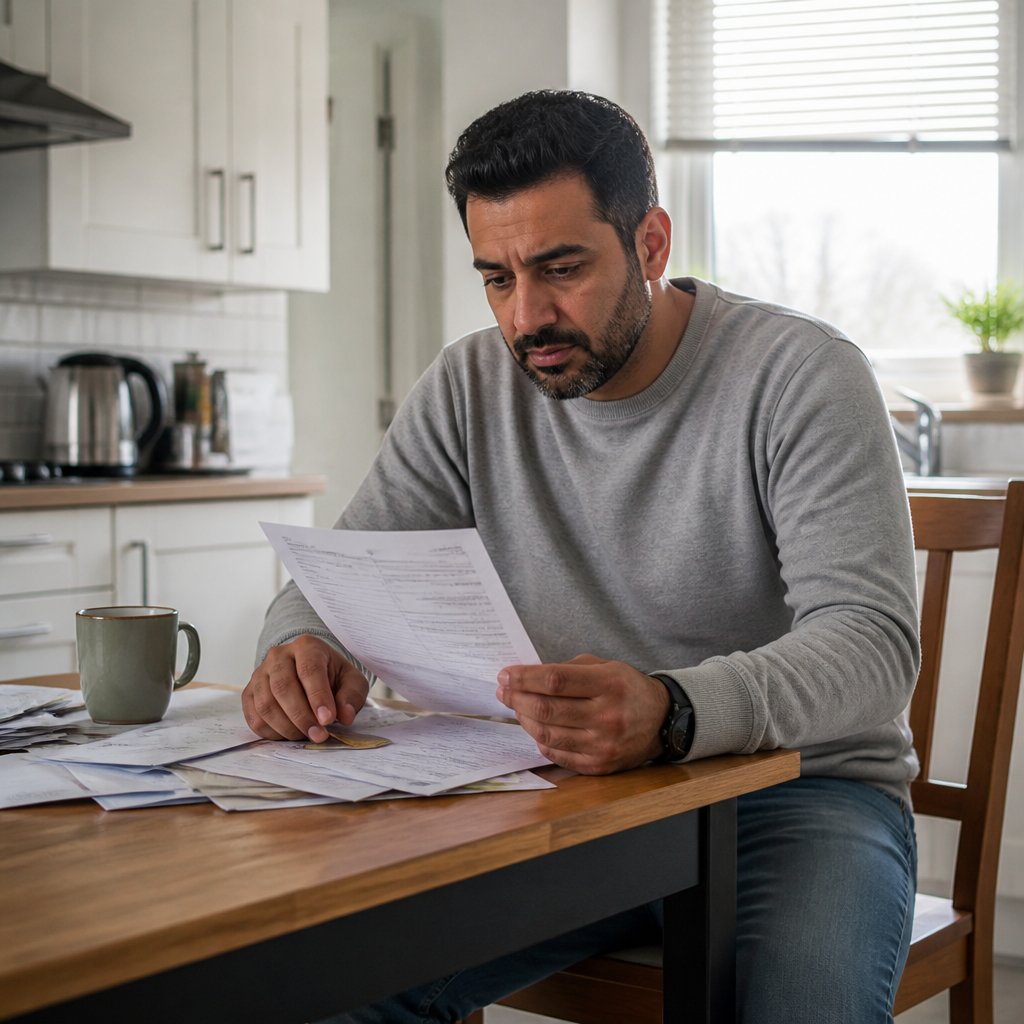
After getting the key back from Glenn a few days later, I tried to put the incident behind me. The storm had passed, and things seemed normal. But then I noticed an unfamiliar charge on my credit card statement for a local hardware store. The date was just after the storm, during the same period I had given Glenn the key.
I tried to remember if I had bought something for the house, but nothing came to mind. The amount wasn’t huge but enough to make me pause and wonder if Glenn had used my key to make a purchase or even do some work without telling me. The thought made me uneasy, but I didn’t want to jump to conclusions.
As I sat at my kitchen table, I ran my fingers over the smooth wood surface and glanced at the pile of unopened mail nearby. The quiet hum of the refrigerator was the only sound breaking the house’s silence. The charge lingered in my mind, a subtle hint that Glenn might have crossed a line I hadn’t noticed yet.
The Door Felt Unfamiliar
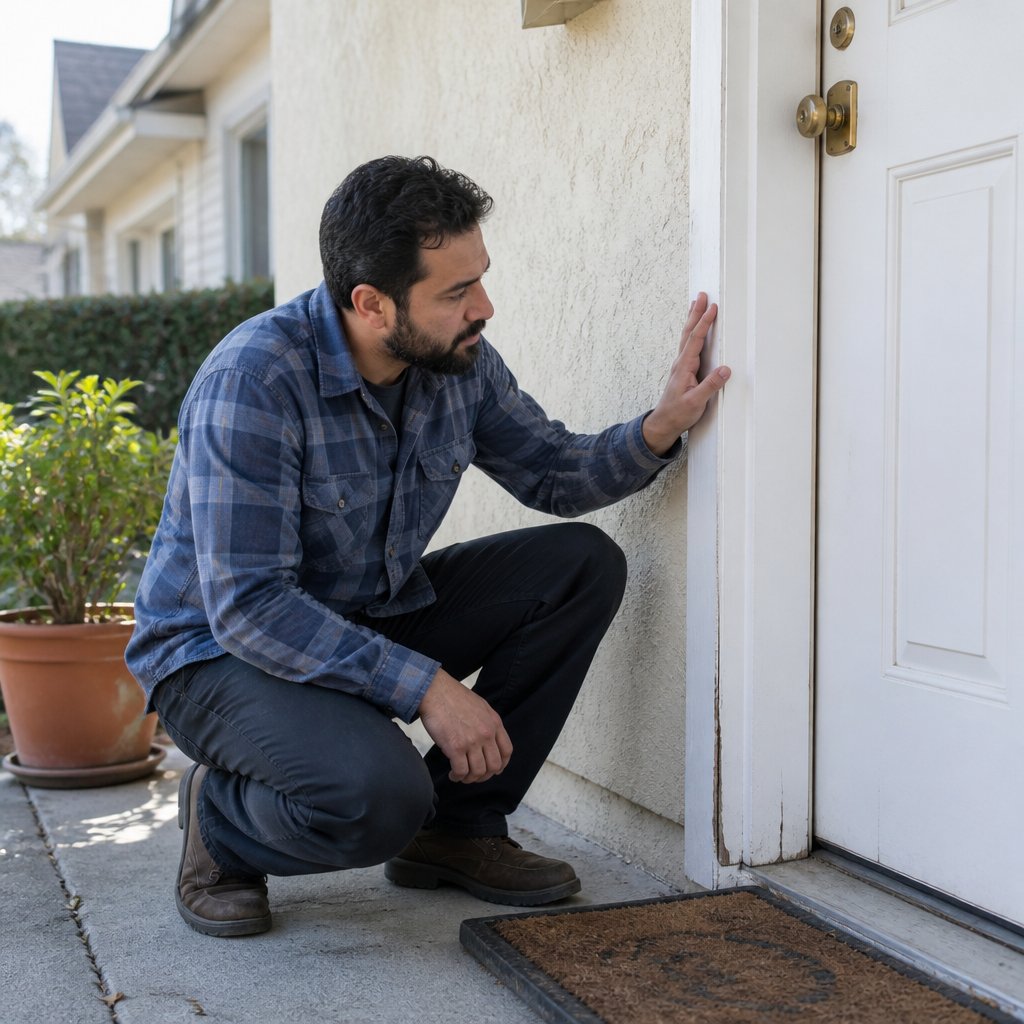
In the days that followed, I began to notice something odd about my front door. It started sticking slightly when I turned the knob, a subtle resistance I hadn’t felt before. The deadbolt, too, felt different — smoother but newer, like it had been recently replaced or altered.
At first, I questioned my own memory. Maybe I was imagining things. But every time I tried to open the door, the slight sticking and the unfamiliar feel of the lock made me hesitate. Was I being paranoid, or was someone testing the boundaries of my property rights?
One afternoon, I ran my hand along the door frame, feeling the cool paint and noticing a faint scratch near the lock. The scent of fresh paint or wood filler wasn’t there, but the scratch seemed recent. The subtle changes unsettled me, suggesting someone had accessed my home when I wasn’t around.
Neighbor’s Text Raised Alarm
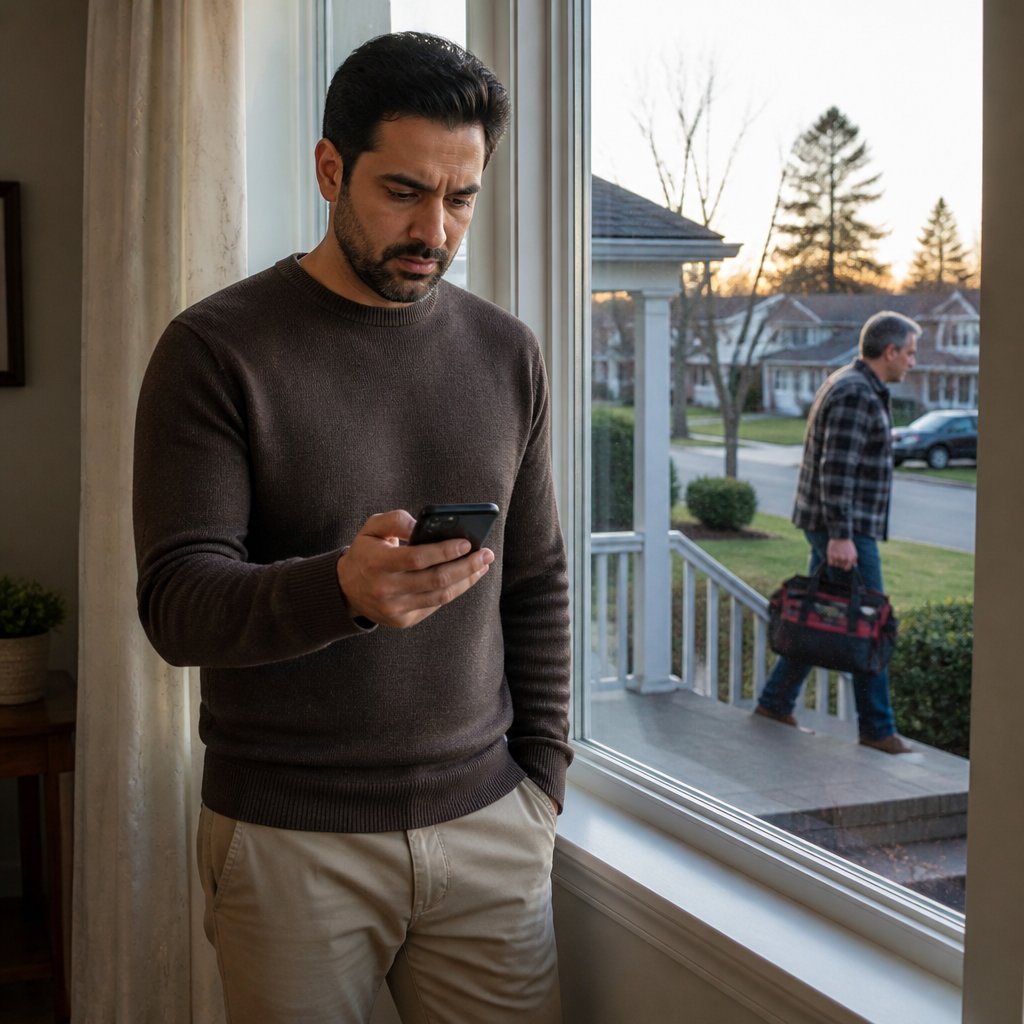
One evening, I received a text message from another neighbor, Linda, who lives a few houses down. She said she saw Glenn on my front porch carrying a tool bag. According to her, he told her he was doing a "gas leak check," which caught me completely off guard.
I hadn’t given Glenn permission to enter my home or check for any issues like gas leaks. The message made my stomach tighten. It wasn’t just a casual visit or package pickup anymore — Glenn had crossed an invisible line into hands-on property access.
Looking out my living room window, I could see the faint outline of the porch light glowing through the dusk. The air smelled faintly of wet leaves and the distant sound of a lawn mower faded away. Glenn’s claim about gas leak checks didn’t sit right with me, and I knew I needed to confront this before it escalated further.
Glenn’s Explanation Was Surprising
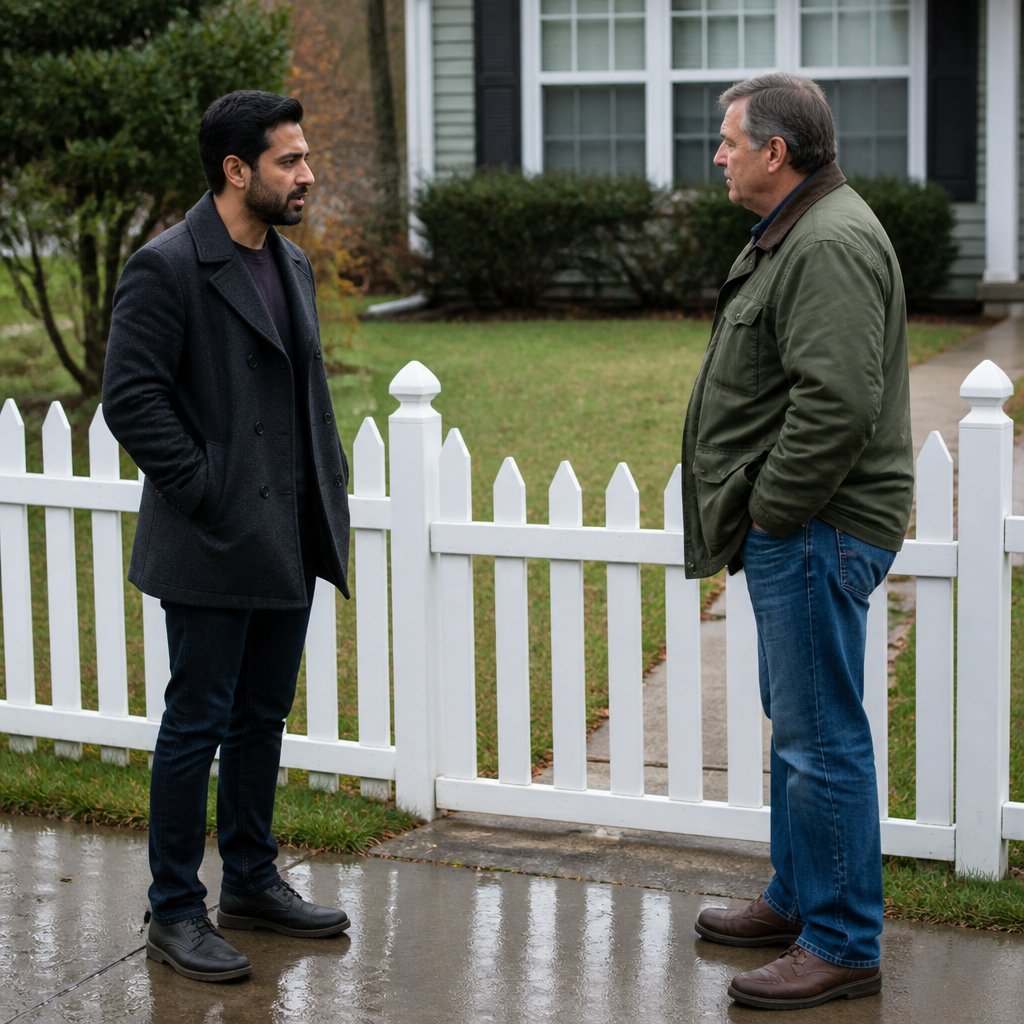
When I confronted Glenn about the porch incident, he insisted that I had asked him to perform a safety check. He said he noticed "no movement" at my house and decided to use my key once to check for any issues, framing it as a welfare concern rather than trespassing.
His tone was calm but firm. He claimed that his actions were motivated by care for the neighborhood and my safety. He even suggested that since I had given him the key before, it was reasonable for him to enter during an "emergency check."
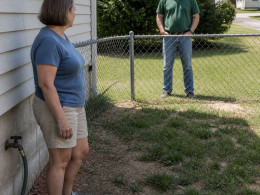
We stood close to the property line by the white picket fence, the grass slightly damp from earlier rain. Glenn wore a green jacket and faded jeans, and there was a slight crease on his forehead as he spoke. His words reframed what I saw as trespass into a gray area of neighborly responsibility and emergency authorization.
Caught In The Act On Camera
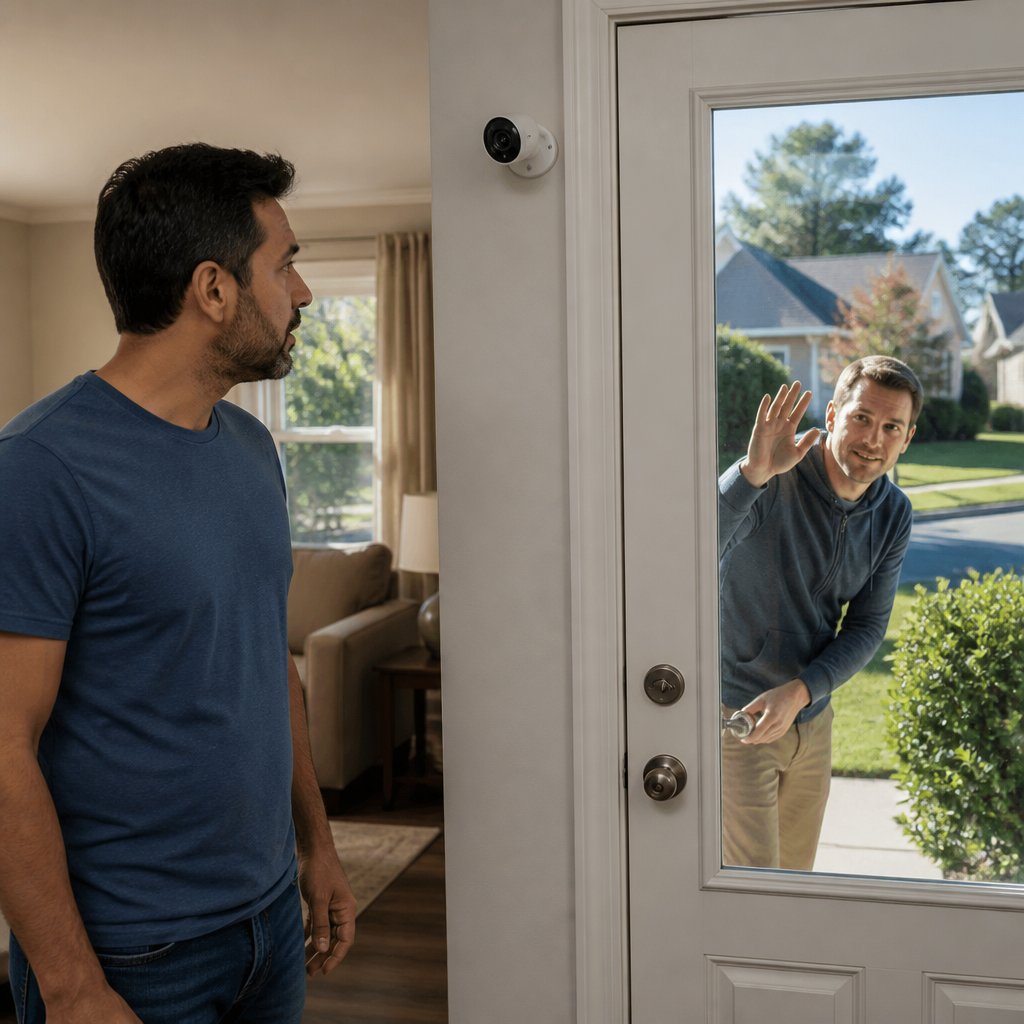
I set up a small security camera by my front door after the last lock incident. One afternoon, it recorded Glenn casually testing my doorknob, twisting it slowly as if checking for weakness. Then he spotted the camera, looked right into the lens, and gave me a slow, deliberate wave like it was completely normal—like I shouldn’t be alarmed. It was unsettling, the way he seemed so undeterred, as if daring me to react. I watched that clip over and over, feeling my privacy shrink a little each time. The street outside was quiet except for the distant hum of a lawn mower, and the smell of wet grass drifted in through my open window.
The wave wasn’t just a greeting. It was a signal—a subtle probe of boundaries, a message that he knew he was crossing lines and didn’t care. I wasn’t sure if he even felt the weight of what he was doing or saw it as normal neighborly behavior. But I did. And I knew I had to do something before it escalated further.
Police Say Video Insufficient Evidence
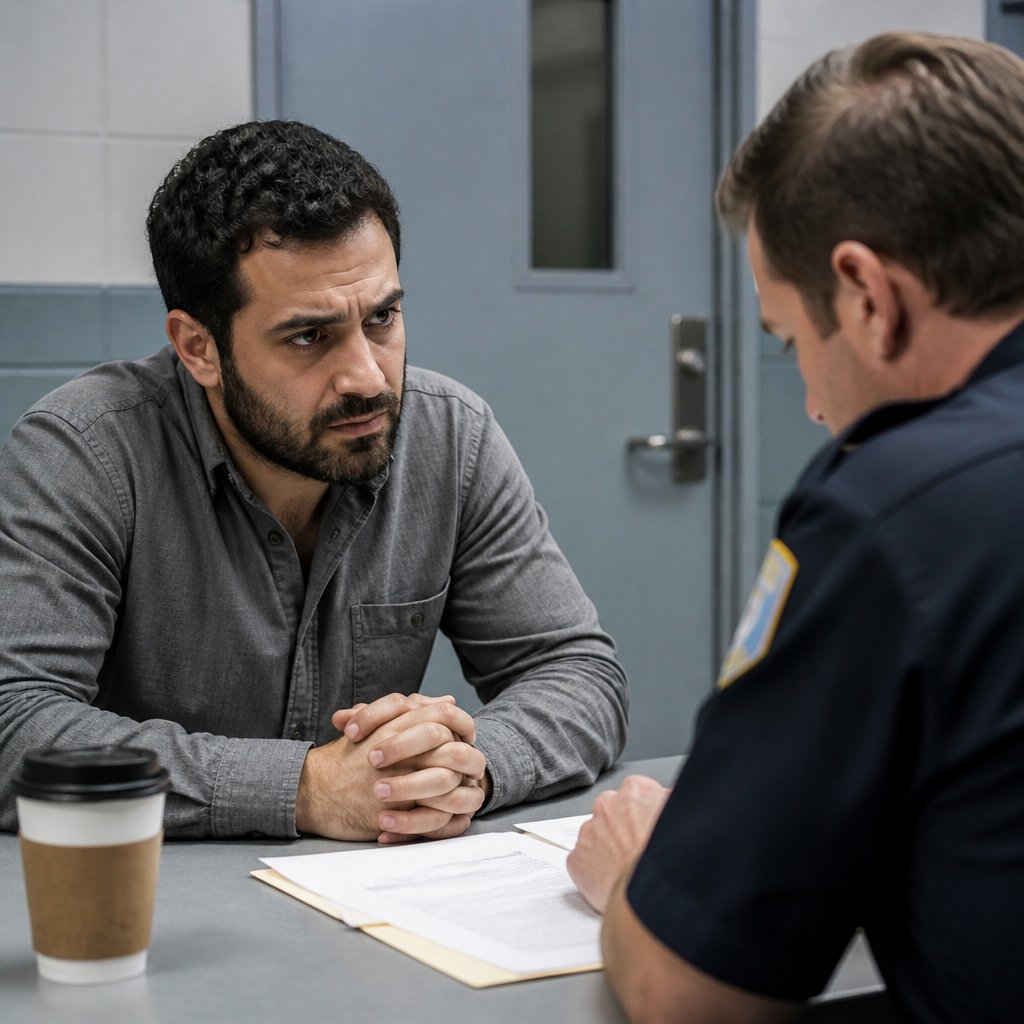
After reviewing the video, I went back to the local police station to report Glenn’s repeated intrusions. The officer listened carefully but explained that while the footage was unsettling, it didn’t meet the threshold for criminal charges like trespassing or unlawful entry. It was frustrating to hear, especially since I’d expected the video to be proof enough that Glenn was crossing legal lines.
The officer suggested I consider a civil protection order instead, which would put the burden on me to prove ongoing harassment in court. The weight of that possibility hit me hard. It meant more legal fees, more time off work, and the stress of dragging a neighbor into court. I left the station with a mix of relief that they documented the complaint and dread about the path ahead.
At home, the faint smell of freshly brewed coffee filled the kitchen as I stared at the unopened mail on the counter. The normalcy of my kitchen contrasted sharply with the escalating tension surrounding my own front door.
New Lockset And A Cryptic Note
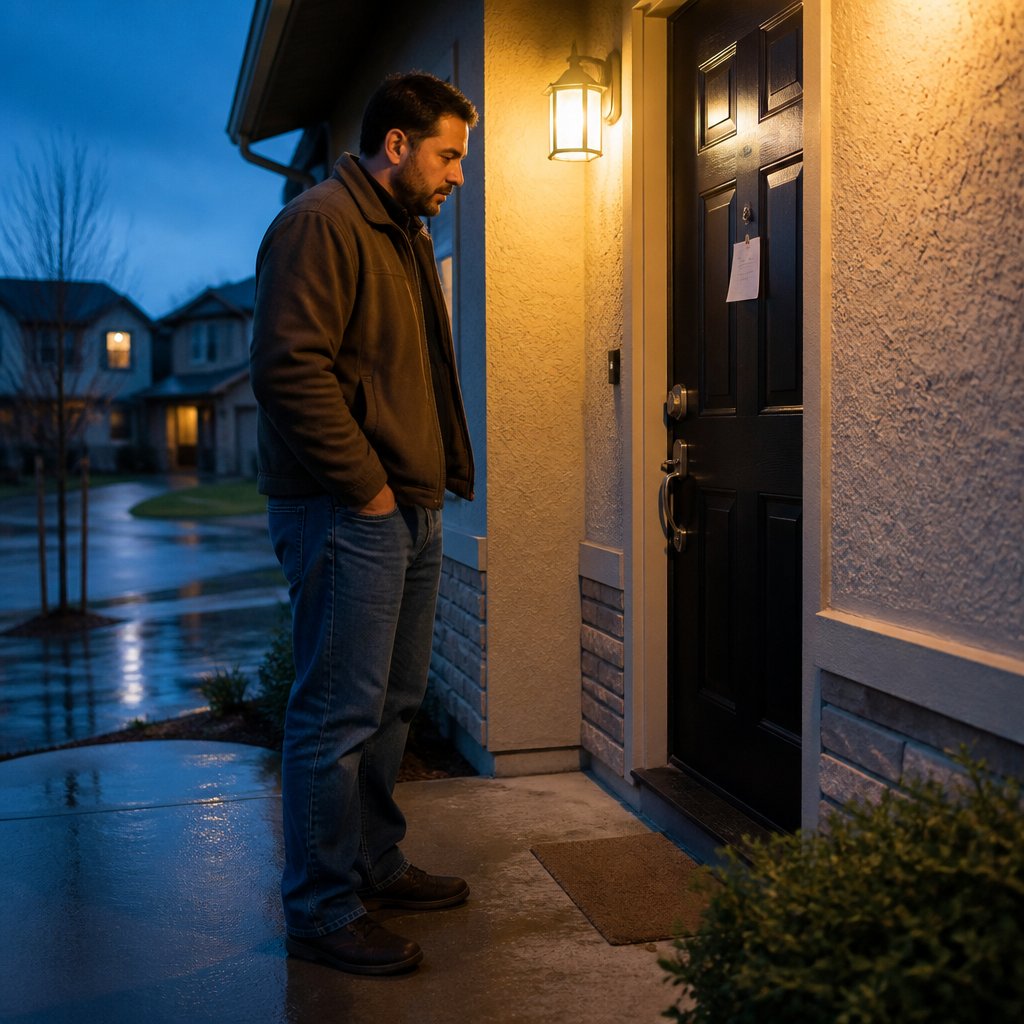
I returned home one evening to find my front door no longer welcomed me. The lock was different — sleek, modern, and unfamiliar to me. A small handwritten note stuck beneath the peephole caught my eye. It said, “Secured for your safety. Call me.” No signature, no explanation beyond that.
The lock clicked as I tested it, cold metal under my fingers, and the note crinkled faintly in the gentle breeze from the slightly ajar window. That lock was a clear message: I was locked out of my own home. I stood there for a while, just breathing in the faint scent of rain from the damp driveway, trying to process how far this had gone.
This was no longer a casual test or boundary probe. It was a deliberate barricade. I realized then that Glenn’s actions had crossed into an outright lockout — and I was on the losing side of it. The question burned in my mind: what would I do next?
Face-To-Face In My Own Foyer
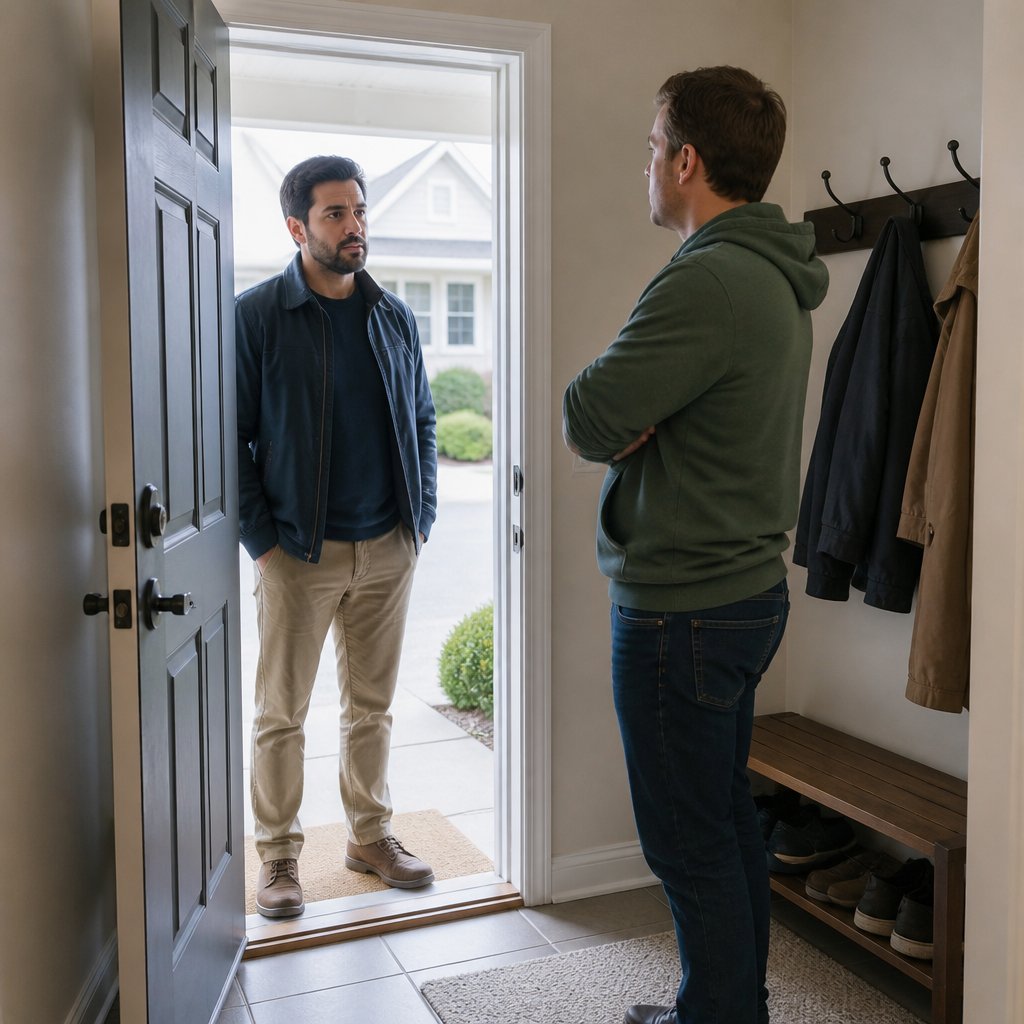
I knocked sharply on the door, heart pounding, when Glenn suddenly opened it from inside. He stood in my foyer, arms crossed, wearing a faded green hoodie and worn jeans. His face was unreadable, but he quickly launched into a story about a smoke alarm emergency that required him to be inside “for safety reasons.”
The smell of burnt toast lingered faintly in the air behind him, and the foyer lights flickered as he claimed he was waiting for “clearance” before leaving. He refused to step outside, effectively blocking me from entering my own home. I felt a mix of disbelief and anger. This wasn’t about emergencies anymore; it was about control.
I demanded he leave, but Glenn just shook his head, the tension in the small foyer mounting. The street outside was quiet except for the occasional distant bark of a dog. I realized then that this confrontation wasn’t going to end peacefully anytime soon.
911 Called With Legal Folders
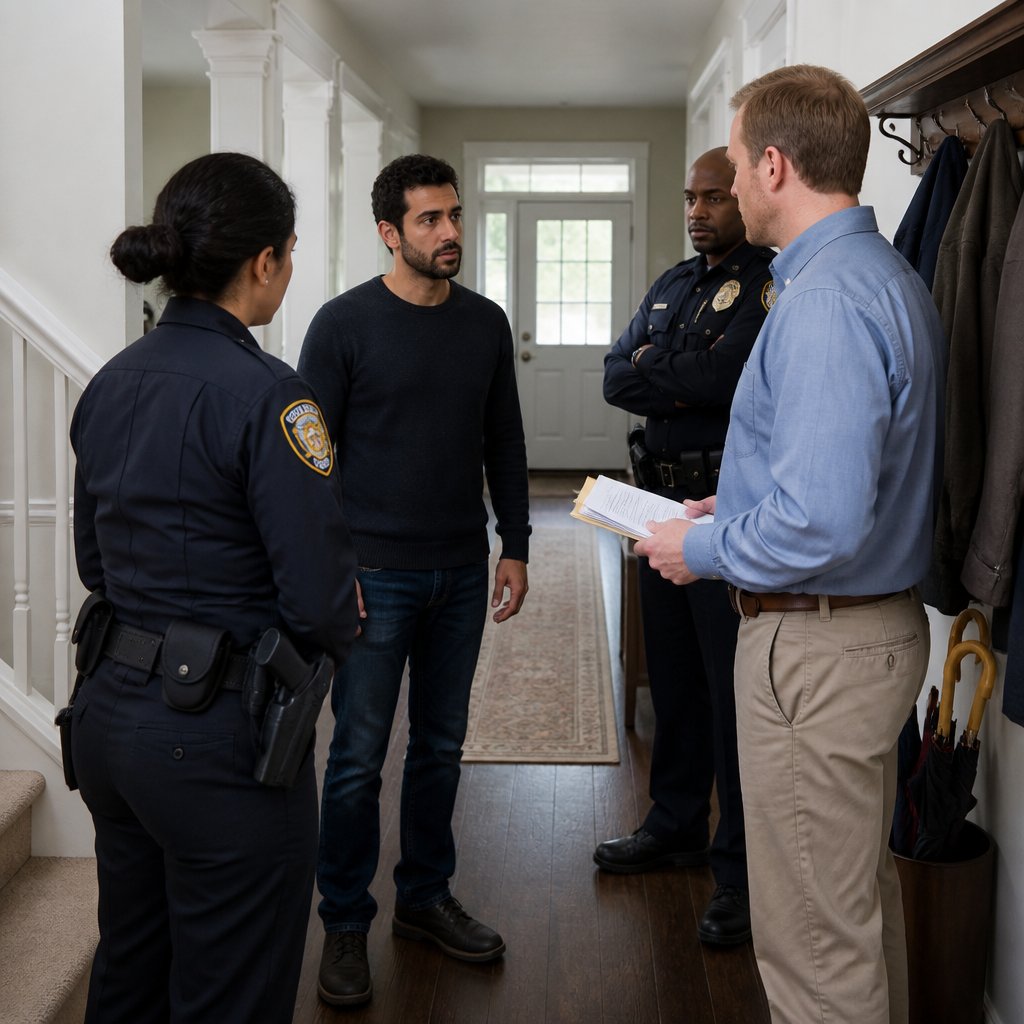
Feeling trapped, I called 911. Police arrived quickly and stepped into my foyer. Glenn immediately pulled out a folder stuffed with printed statutes and documents about “duty to act” laws, waving them at the officers as if to prove he had the right to be there. The smell of paper and stale coffee filled the cramped entrance hall.
The officers looked over the papers but hesitated. One asked for proof I lived there, so I pulled out my phone and showed them a digital copy of a recent utility bill with my name and address, keeping the screen face down to avoid any accidental exposure of personal details.
After a tense moment, the officers began to step outside to talk privately. Glenn’s face tightened as he lowered his folder, but it was clear this was far from over.
Claim Of Abandonment Surfaces
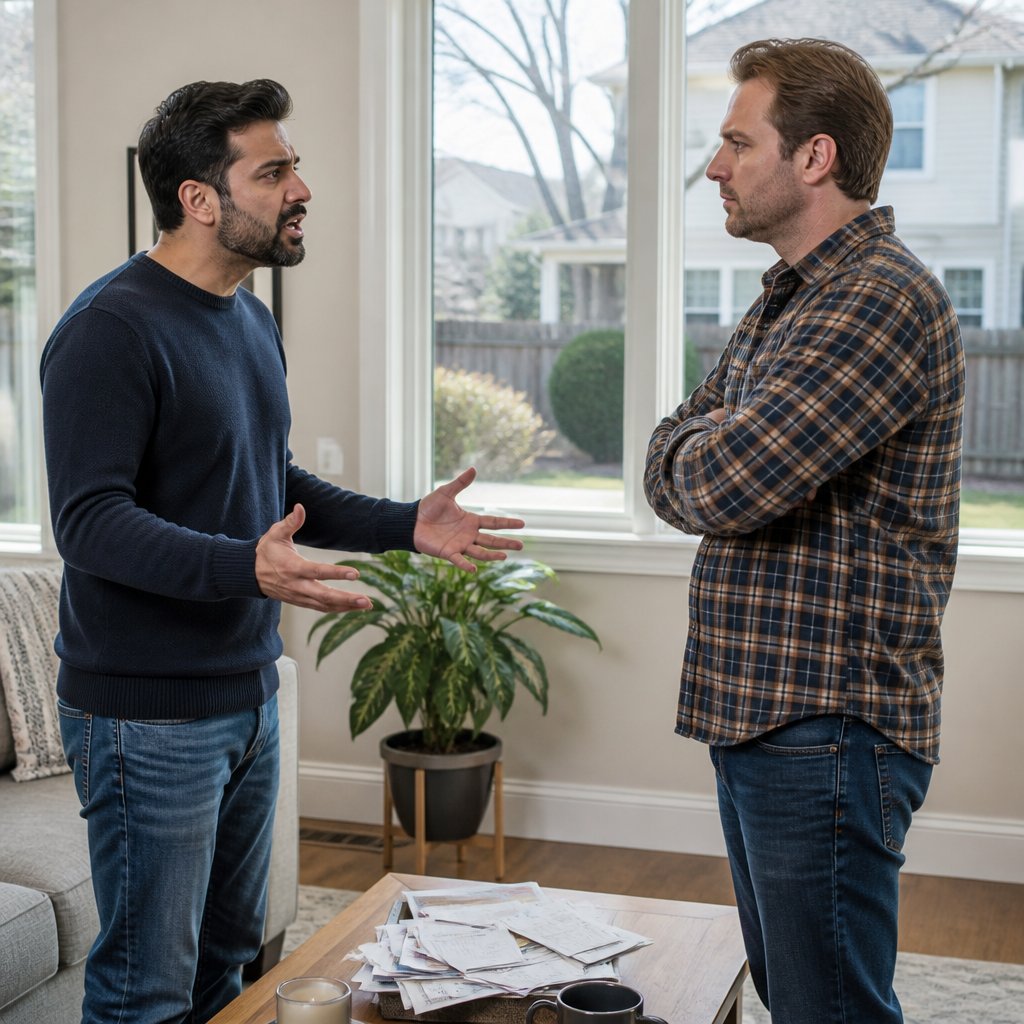
Glenn’s tone shifted as he started claiming I had abandoned the property. He said he’d reported it as vacant to utility companies, implying the power and water had been off for weeks. This caught me off guard—my possession, my right to the house, suddenly hinged on records and timing, not the reality I lived every day.
The faint buzz of a nearby lawn sprinkler mixed oddly with the heavy silence inside the living room where we stood. I tried to explain that I’d been home regularly, but Glenn repeated his claims, casting doubt on my rightful occupancy.
The idea that official records could override the actual use and care of my home felt like a legal trap I hadn’t prepared for. What would happen if he managed to convince others that I’d abandoned my own house?
Lock Still Holds Despite Police
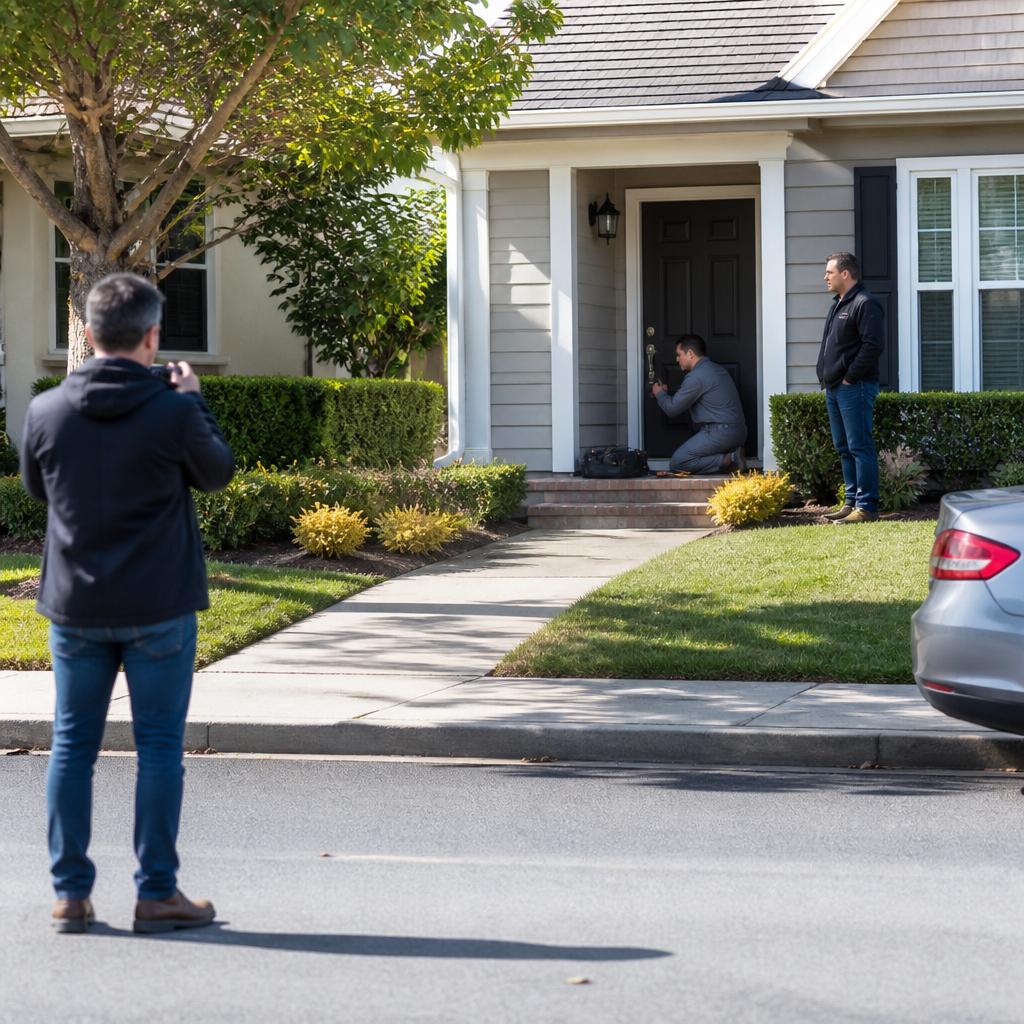
The police managed to escort Glenn outside, but the lock on my front door stayed firmly in place. I had no choice but to call an emergency locksmith to get back inside. While the locksmith worked, Glenn stood on the sidewalk filming and narrating the entire ordeal, turning my crisis into his public “evidence.”
The sound of the locksmith’s tools clicking and scraping echoed against the quiet street. I felt exposed, with Glenn’s camera pointed right at me as I waited for the door to finally give way. It was humiliating to have my private struggle become neighborhood spectacle.
I tried to focus on the locksmith's work, but the weight of the public showdown and the damage to my home were hard to shake. What would this mean for the future of my property and peace of mind?
Privacy Breach In Neighborhood Group
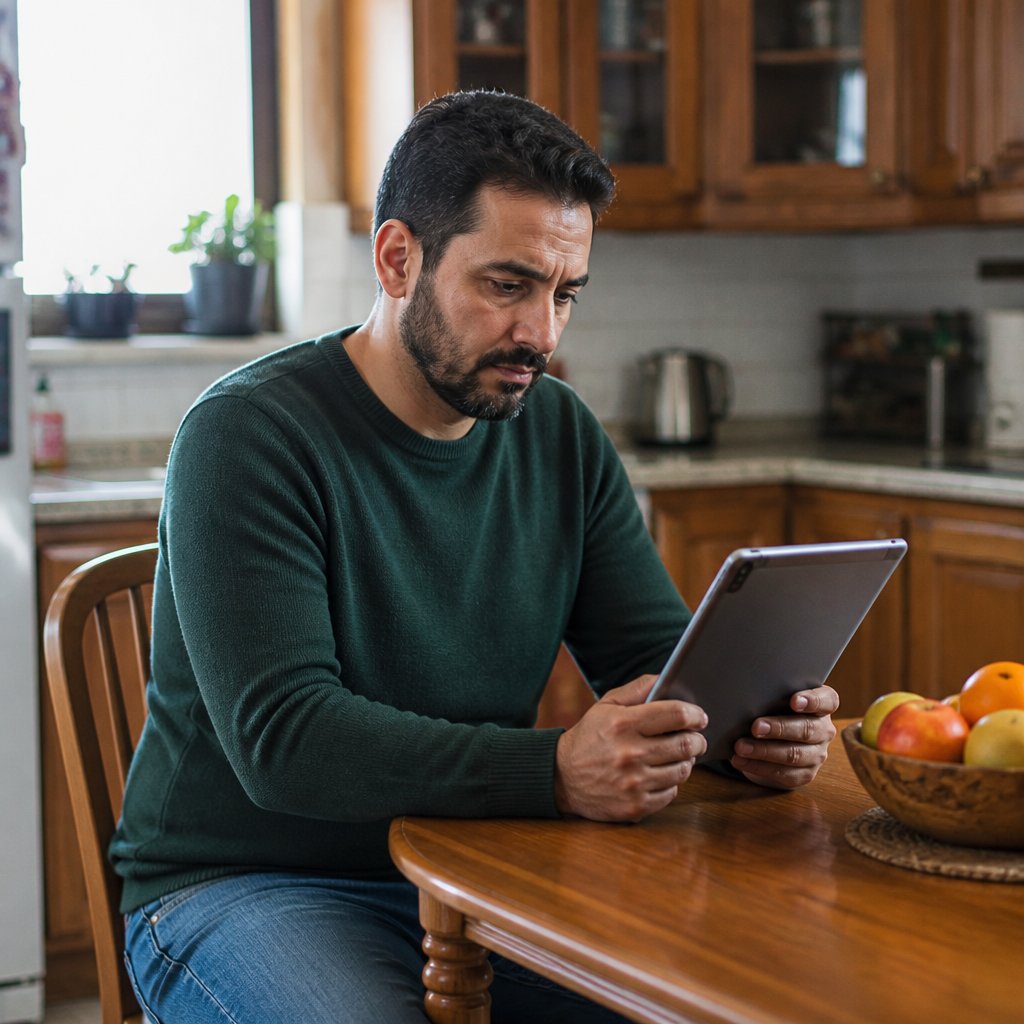
Scrolling through a local neighborhood social media group, I found interior photos of my home posted under a headline about “unsafe conditions.” The pictures revealed the mess and damage Glenn had highlighted, but they were taken without my permission. Privacy invaded in my own living room felt like a new, painful layer of the dispute.
The faint scent of lemon-scented cleaner lingered in my kitchen as I stared at the screen on my tablet. The casual comments below the post made it clear some neighbors had already formed opinions about the state of my home. I felt blindsided and vulnerable; my private space turned public and judged.
This was no longer just a property fight — it was a battle over reputation and personal boundaries. How would I respond to this new front in the conflict?
Lawyers And Court Filings Collide
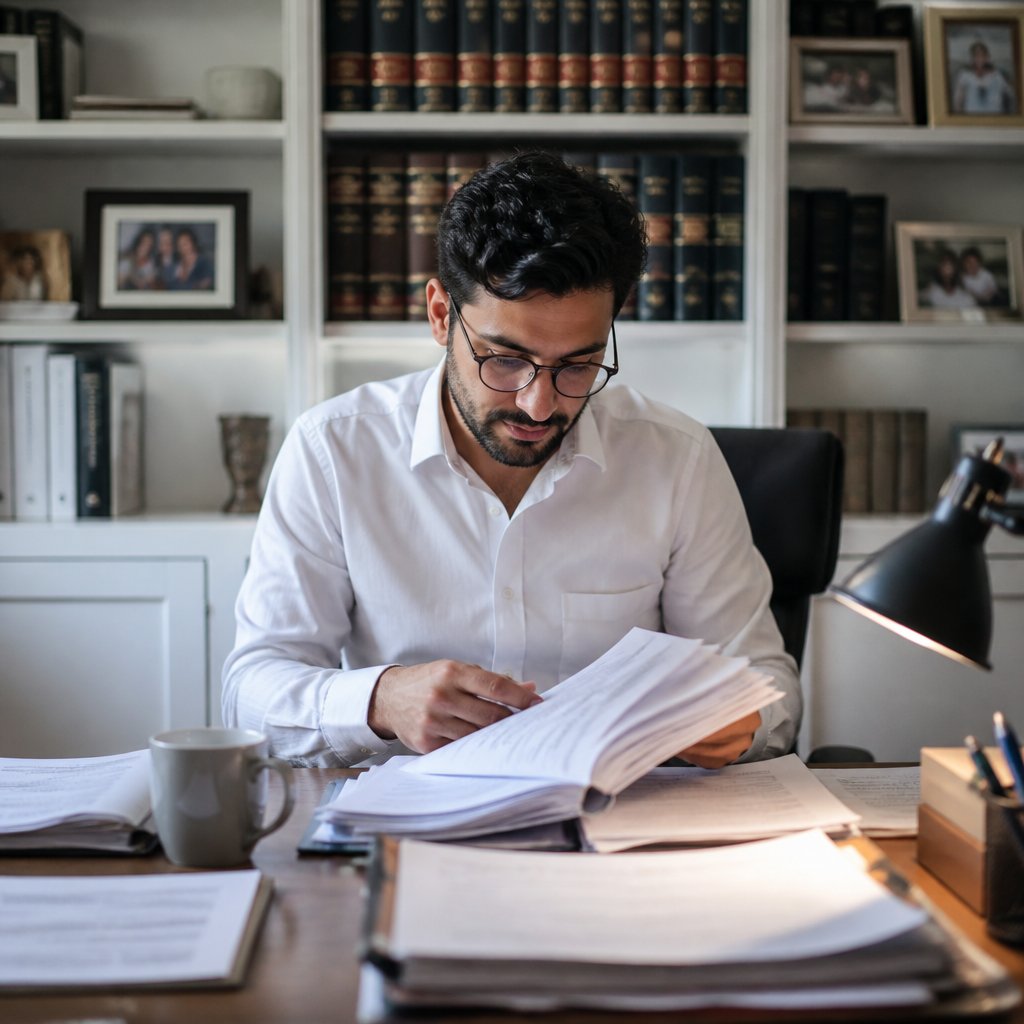
Lawyers soon got involved. My cease-and-desist letter was met by Glenn’s small claims suit for “emergency services” rendered, a vague attempt to justify his lock change and presence. I fired back with a counterclaim listing wrongful lockout, trespass, conversion, and defamation. The legal documents piled up, each one more dense and confusing than the last.
The faint scratch of a pen filled my office as I signed filings late into the night. The neat stacks of paper on my desk contrasted with the chaotic swirl of emotions — anger, exhaustion, and determination. The dispute wasn’t just about property anymore; it had turned into a full-blown legal battle.
Could the courts untangle the mess Glenn had created? Or would this drag on, costing me more than just money?
Forgery Suspected In Emergency Consent
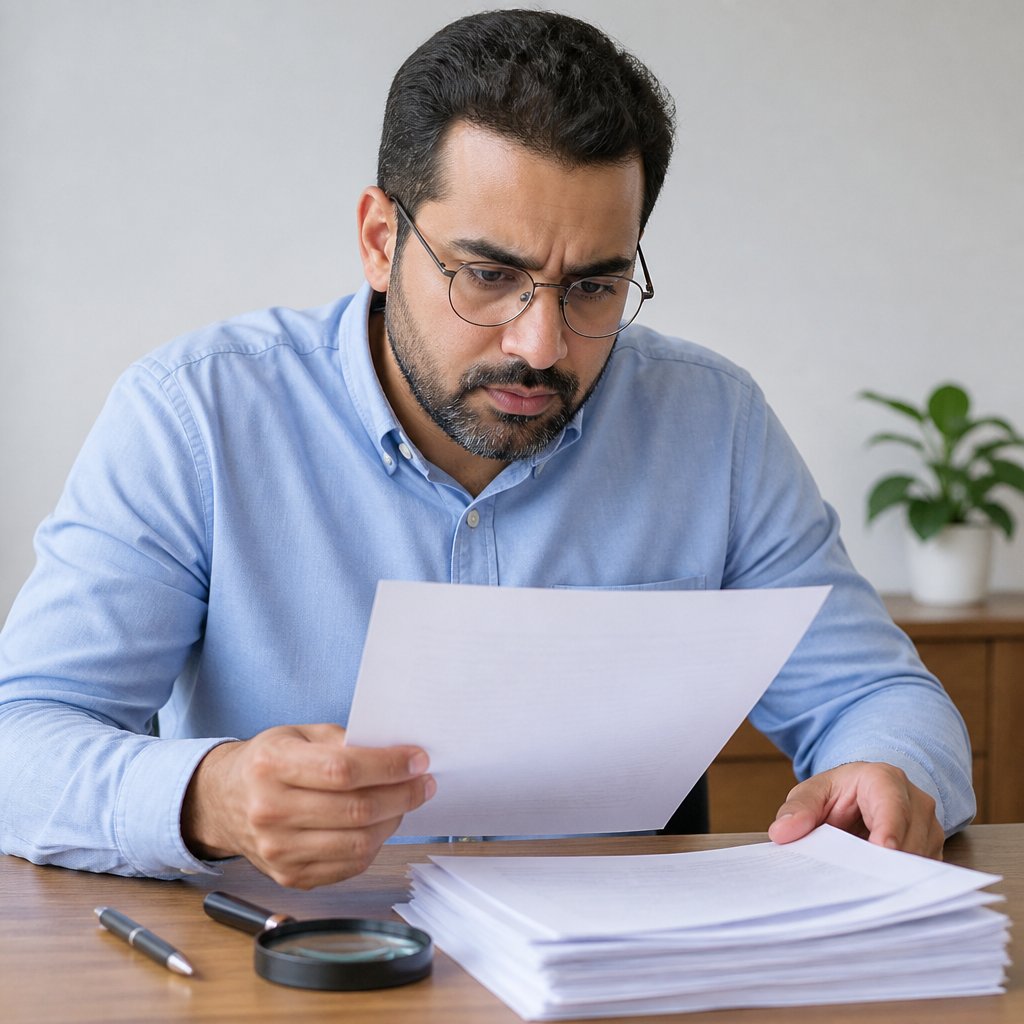
Discovery phase revealed a new twist. I subpoenaed the hardware store Glenn used to buy the new lockset. In response, Glenn produced an “Emergency Consent” form he claimed authorized his entry and lock change. But the signature looked shaky, off — nothing like the neat handwriting I used for my own documents.
The smell of ink and printer toner filled my study as I examined the papers for the third time. A nagging suspicion crept in: had Glenn forged my signature to cover his unauthorized actions? If so, this wasn’t just a civil dispute; it might be a criminal matter.
The court date loomed, and I knew this new evidence could change everything — but also complicate the fight beyond what I’d expected.
A Settlement Offer With Conditions
The day before the trial, I got a call from Glenn's attorney with an unexpected offer. Glenn was willing to settle the case, but only if I agreed to name him as the permanent keyholder for my house. The idea of giving him ongoing access felt like tossing fuel on the fire. I declined without hesitation. The case was set to go to a full hearing, and Glenn’s story about an emergency entry was about to face serious scrutiny.
The air was thick with tension as I prepared for court. I couldn’t shake the feeling that Glenn’s willingness to settle only under such a condition was an admission of how much control he wanted. I wondered if the judge would see through his narrative or side with his claims, which included a shaky signature that might unravel his entire defense.
That evening, I paced the living room, running over every detail. The faint scent of freshly brewed coffee filled the kitchen, a small comfort against the storm brewing in my mind. My lawyer reminded me to stay calm and let the facts do the talking. But beneath it all, an unsettling question remained: was Glenn prepared to go all the way, or would this settlement offer be his last move before collapse?
Judge Questions Emergency Claims
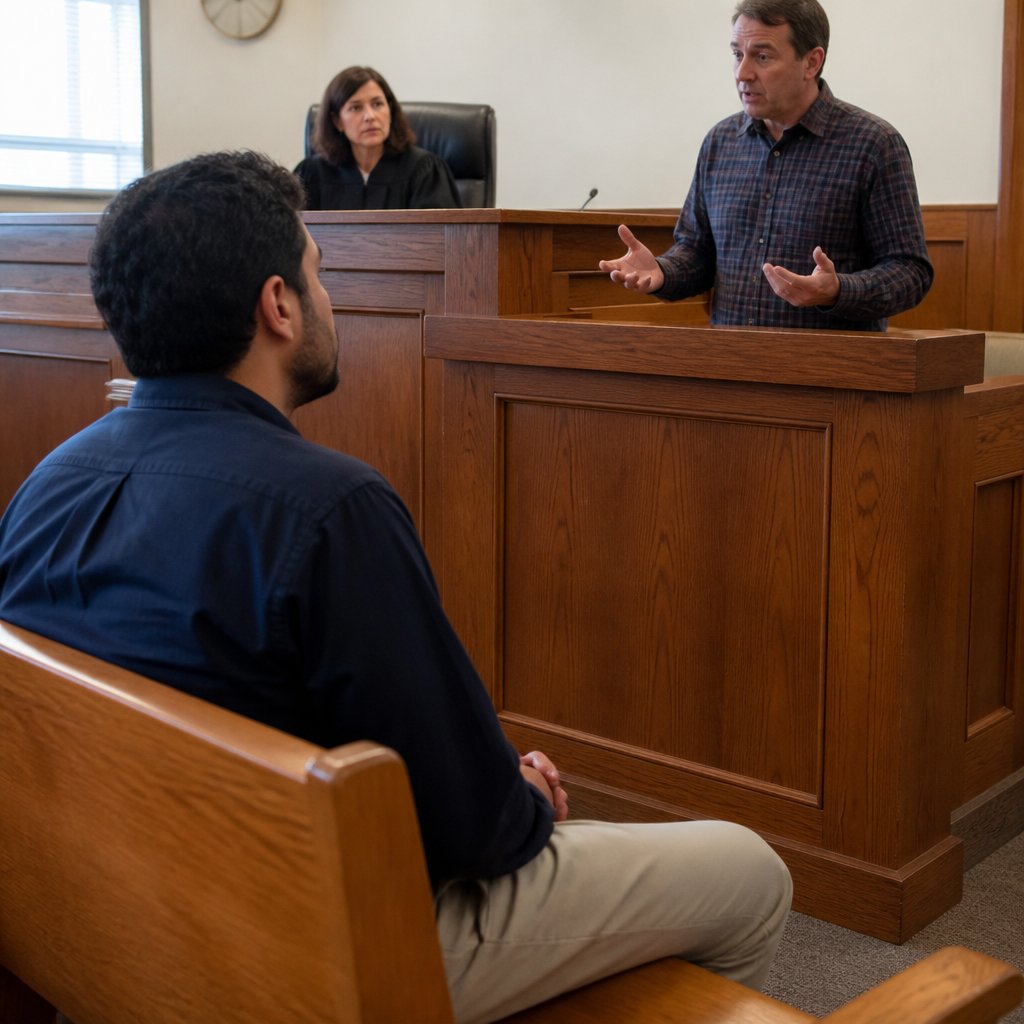
In the courtroom, Glenn appeared confident at first, leaning heavily on his claim of emergency authority to justify entering my home. But the judge had a different agenda. Calm and precise, she asked why Glenn didn’t call fire or police before breaking in. The question hit hard. Glenn’s timeline started to unravel as his answers conflicted with prior statements he’d made about the incident.
Glenn stumbled, trying to patch inconsistencies that became more apparent with each follow-up. His claim that the smoke alarm was sounding and that immediate action was necessary refused to line up with phone records and witness accounts. The judge stared at him, unblinking, clearly skeptical.
As Glenn spoke, I could hear the faint shuffle of papers from the front row. The courtroom smelled faintly of old wood and polished brass fixtures. My heart raced, but I kept my face neutral, knowing that every hesitation from Glenn was a crack in his story. Still, the judge hadn’t made her ruling. What other surprises would this hearing hold?
Video Evidence Undermines Story
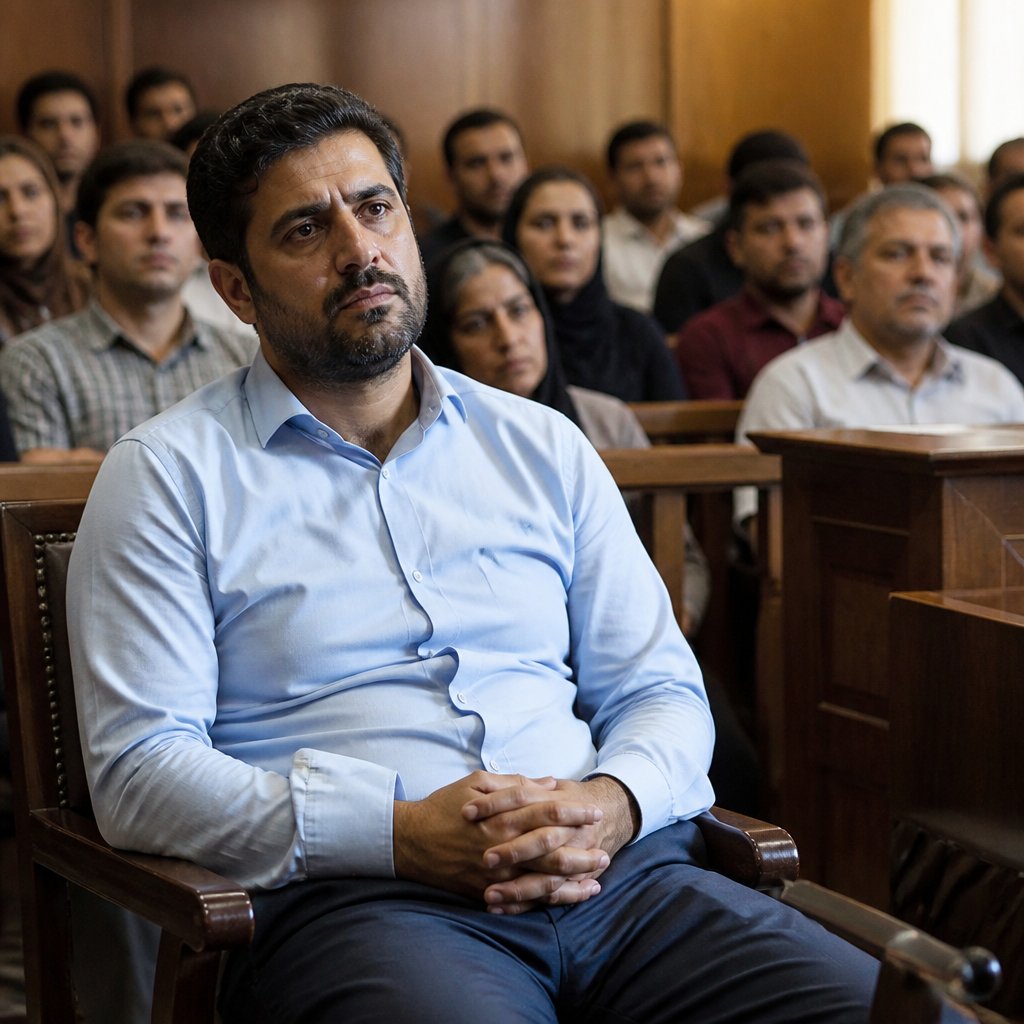
The court clerk wheeled in a small monitor, and the hardware-store security footage began to play. There was Glenn, casually copying a key at the kiosk, then wandering the aisles picking up a lockset several days before the smoke alarm incident. The video was grainy but unmistakable. His “spur-of-the-moment emergency” story began to crumble in front of everyone’s eyes.
I leaned forward, heart pounding, as neighbors and the judge watched. Glenn’s face in the video showed no urgency—just routine movements in a calm store. The sight of him handling the lockset days before our dispute began was damning.
The faint buzz of the monitor filled the silent courtroom. It was as if the video was a silent witness that spoke louder than any testimony. Glenn’s lawyer tried to explain it away, but the damage was done. I glanced at my attorney, who gave me a slight nod of reassurance. Still, the hearing was far from over, and Glenn was yet to explain how this evidence fit into his narrative.
Glenn’s Shift To Prevention Argument
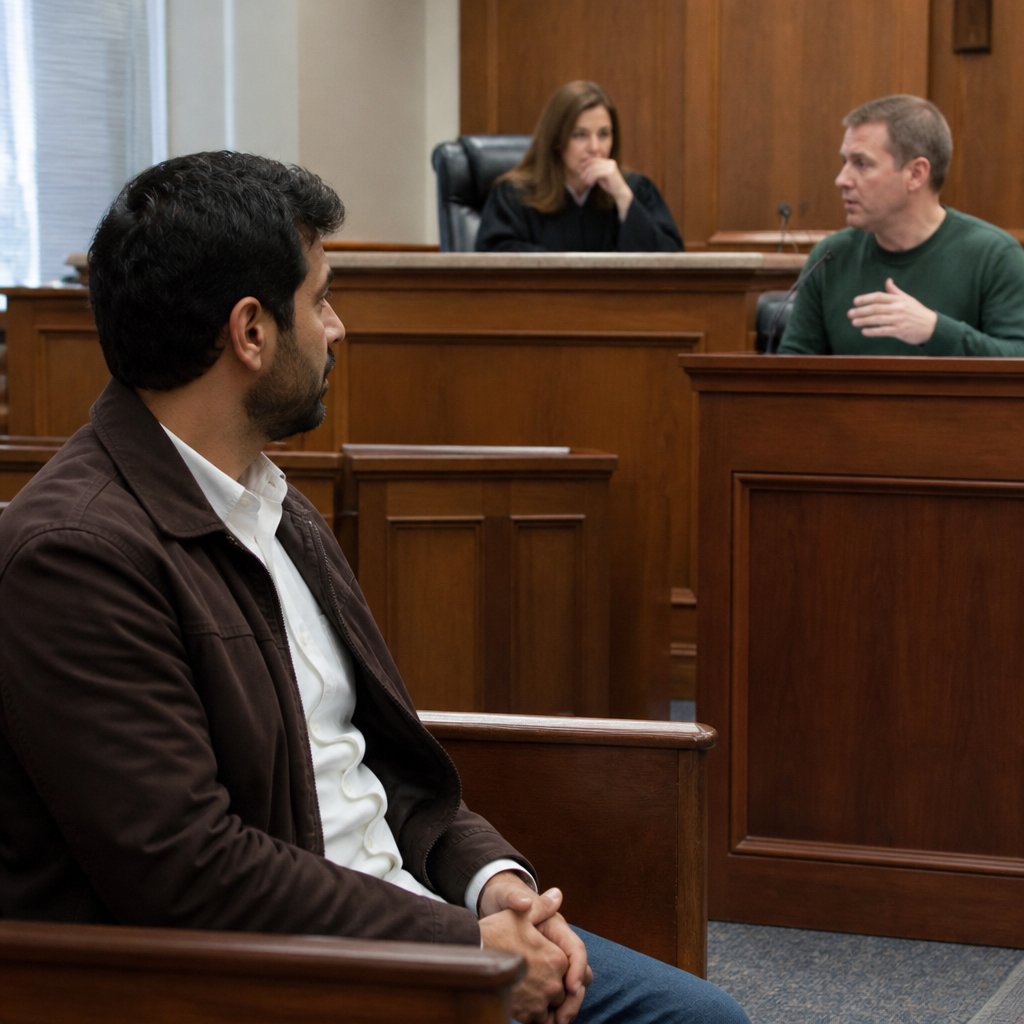
Faced with the video evidence, Glenn changed tactics. He claimed his entry and lock change were motivated by "preventative safety measures" rather than a true emergency. He argued that he had concerns about potential hazards and acted to protect the property.
The judge listened carefully but reminded everyone that prevention does not equal consent or emergency authority. She highlighted the legal line between taking action in a real crisis and unilaterally deciding to lock someone out of their own home.
The courtroom felt still, save for the occasional clicking of pens as lawyers took notes. I noticed the coolness of the air from the overhead vents against my skin, mirroring the chilling effect of Glenn’s claims. The judge’s words suggested a ruling was imminent, but she paused, weighing the evidence carefully. The tension was palpable; it felt like seconds before the courtroom’s atmosphere would shift decisively.
Judgment And Post-Trial Moves
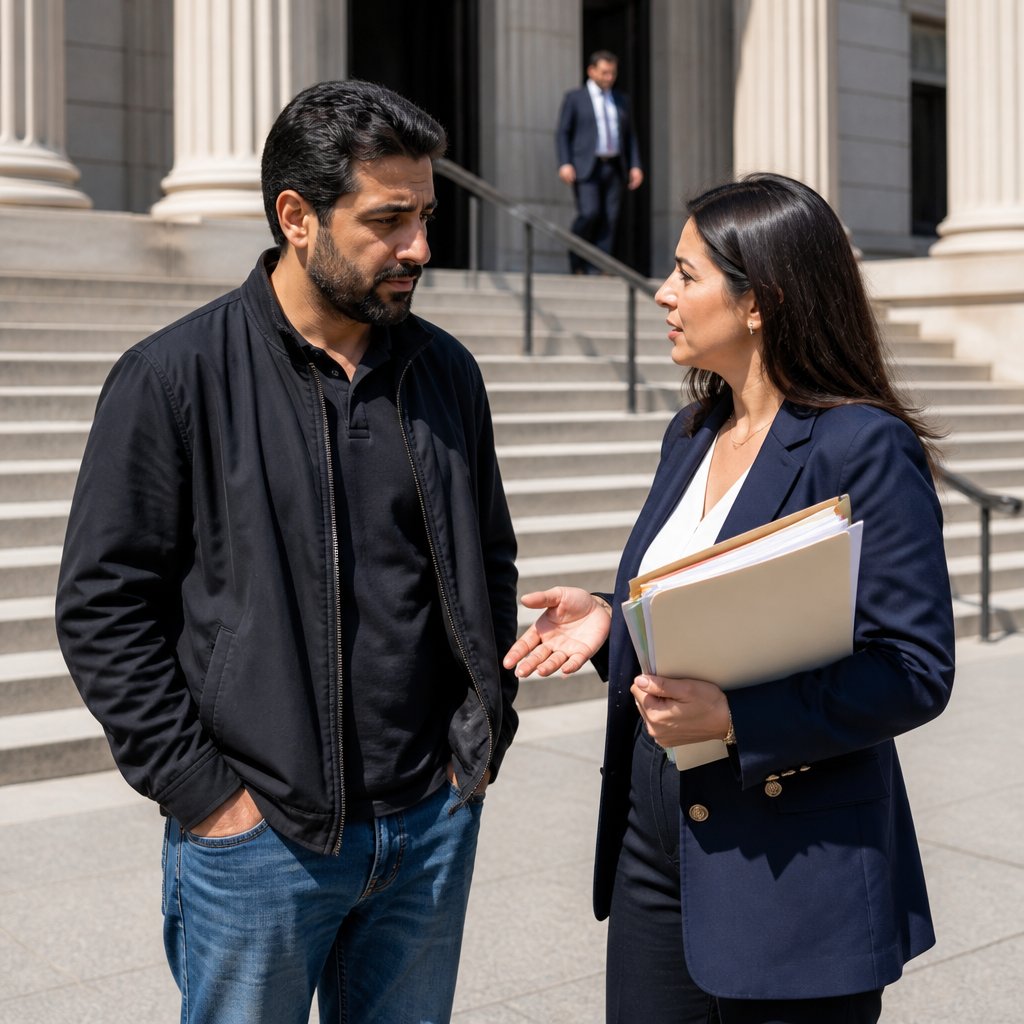
The courtroom was silent as the judge delivered her judgment. She ordered Glenn to pay damages for wrongful lockout and property damage, forbade any further trespass, and required deletion of all photos Glenn had taken inside my home. The relief was immediate, but it was tempered by Glenn’s announcement that he would appeal to municipal court.
That appeal meant the fight wasn’t over. Municipal court’s stricter evidence rules could give Glenn another chance to delay and complicate the process. I felt the weight of months of conflict pressing down again as the judge adjourned the session. The faint scent of paper and leather-bound legal books hung in the air around me.
Glenn’s appeal threat felt like a shadow stretching over the victory. My lawyer and I discussed the next steps quietly outside. The courts had sided with me, but the path ahead still held uncertainty. How long would this drag on, and what costs might it bring?
Final Ruling And HOA Changes
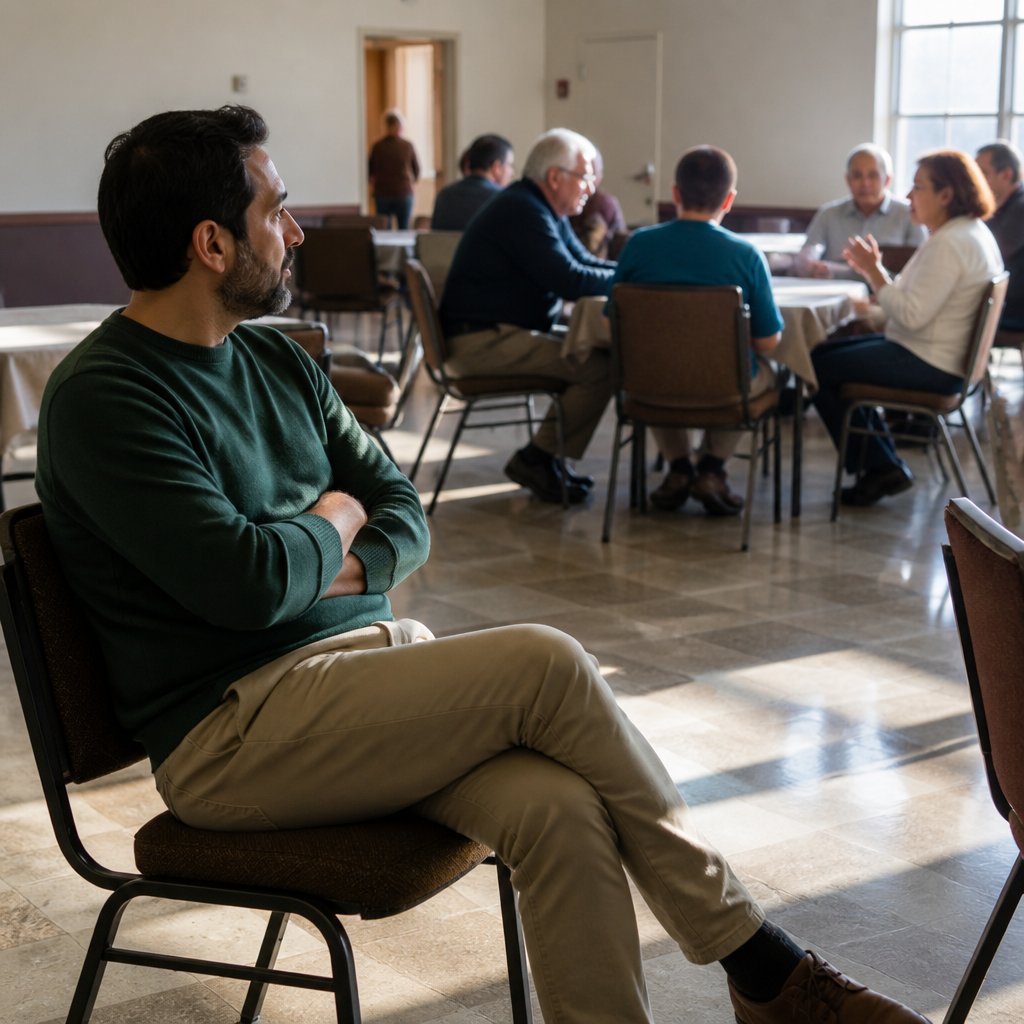
The municipal court upheld the lower court’s decision and warned Glenn sharply against any future contact. The local homeowners association also took action, rewriting keyholding rules to prevent similar disputes and removing Glenn from his position as neighborhood block captain. It felt like an official end to the campaign he had waged to control my property.
Still, the chill remained. I sat in the small community room where the HOA held meetings, the smell of coffee and plastic folding chairs filling the air. Though the battle was legally over, the close call lingered in my mind. How close had Glenn really come to taking over my home? And what would stop him from trying something else next time?
Neighbors chatted quietly as I watched from the back, the late afternoon sun casting long shadows across the linoleum floor. The victory was real, but the sense of unease was as tangible as the papers I’d signed and the locks Glenn had changed. The fight to protect my home might be done for now, but the story felt far from finished.
Was replacing the deadbolt a justified response to the key handover?